Science education is traditionally rooted in a blend of theoretical knowledge and practical experimentation. However, the practical component often faces significant challenges. Traditional lab settings can be expensive, time-consuming, and sometimes even dangerous, limiting the opportunities for students to engage in hands-on learning. This is where virtual labs emerge as a powerful and transformative tool, offering a safe, accessible, and cost-effective alternative to traditional laboratory experiences.
The Promise of Virtual Labs
Virtual labs, also known as online labs or simulated labs, are computer-based environments that simulate real-world laboratory settings. They allow students to conduct experiments, manipulate variables, collect data, and analyze results, all within a digital environment. These virtual environments replicate the equipment, procedures, and phenomena found in traditional labs, offering a highly interactive and engaging learning experience.
The appeal of virtual labs lies in their ability to address many of the limitations associated with traditional lab settings:
- Accessibility: Virtual labs can be accessed anytime, anywhere, with just a computer and an internet connection. This removes geographical barriers and allows students to learn at their own pace and convenience.
- Cost-Effectiveness: Setting up and maintaining traditional labs can be incredibly expensive. Virtual labs significantly reduce costs by eliminating the need for physical equipment, chemicals, and specialized infrastructure.
- Safety: Many science experiments involve hazardous materials or procedures. Virtual labs eliminate the risk of accidents, allowing students to explore potentially dangerous concepts in a safe and controlled environment.
- Scalability: Virtual labs can accommodate a large number of students simultaneously, without the need for additional equipment or lab space.
- Repeatability: Experiments can be repeated multiple times without consuming resources or generating waste. This allows students to refine their understanding and improve their experimental skills.
- Customization: Virtual labs can be customized to meet the specific learning objectives of a course or curriculum. Instructors can modify parameters, add challenges, and provide personalized feedback.
Enhancing Learning Outcomes
Virtual labs are not merely a substitute for traditional labs; they can actually enhance learning outcomes in several ways:
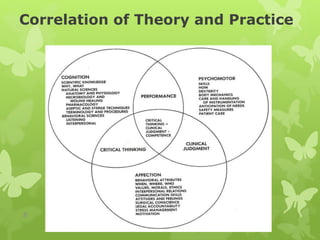
- Improved Conceptual Understanding: Virtual labs allow students to visualize abstract concepts and phenomena that are difficult to grasp through lectures or textbooks alone. By actively manipulating variables and observing the results, students develop a deeper and more intuitive understanding of scientific principles.
- Development of Experimental Skills: Virtual labs provide students with opportunities to practice essential experimental skills, such as designing experiments, collecting data, analyzing results, and drawing conclusions. These skills are transferable to real-world lab settings and are highly valued by employers in science and technology fields.
- Increased Engagement and Motivation: Virtual labs are often designed with interactive simulations, animations, and gamified elements, which can make learning more engaging and motivating for students. The ability to explore and experiment in a virtual environment can spark curiosity and foster a deeper interest in science.
- Enhanced Problem-Solving Abilities: Virtual labs present students with opportunities to solve complex problems and make decisions based on experimental data. This helps them develop critical thinking skills and learn how to apply scientific principles to real-world scenarios.
- Personalized Learning: Virtual labs can provide personalized feedback and guidance to students based on their performance. This allows students to identify their strengths and weaknesses and focus on areas where they need more support.
Integration with Traditional Instruction
Virtual labs are most effective when integrated with traditional instruction. They can be used as a pre-lab activity to prepare students for hands-on experiments, or as a post-lab activity to reinforce concepts and extend learning. Virtual labs can also be used as a standalone learning tool for students who do not have access to traditional lab facilities.
Here are some ways virtual labs can be integrated into science education:
- Pre-Lab Preparation: Students can use virtual labs to familiarize themselves with the equipment, procedures, and safety precautions before entering the physical lab. This reduces the risk of accidents and allows students to make the most of their time in the lab.
- Reinforcement of Concepts: After completing a hands-on experiment, students can use virtual labs to reinforce their understanding of the concepts involved. They can manipulate variables and observe the effects, which can help them solidify their knowledge.
- Exploration of Complex Phenomena: Virtual labs can be used to explore complex phenomena that are difficult or impossible to study in a traditional lab setting. For example, students can use virtual labs to simulate the effects of climate change or study the behavior of subatomic particles.
- Remote Learning: Virtual labs can be used to provide remote learning opportunities for students who cannot attend traditional lab sessions. This is especially important for students in rural areas or those with disabilities.
- Assessment: Virtual labs can be used to assess students’ understanding of scientific concepts and their ability to apply experimental skills. Students can be asked to design experiments, collect data, analyze results, and draw conclusions in a virtual environment.
Examples of Virtual Labs in Action
Virtual labs are being used in a wide range of science disciplines, including:
- Chemistry: Students can use virtual labs to perform titrations, synthesize compounds, and study reaction kinetics.
- Physics: Students can use virtual labs to study mechanics, electromagnetism, and optics.
- Biology: Students can use virtual labs to dissect animals, study cell biology, and perform genetic experiments.
- Environmental Science: Students can use virtual labs to study climate change, pollution, and resource management.
Challenges and Considerations
While virtual labs offer numerous benefits, it’s important to acknowledge the challenges and considerations associated with their implementation:
- Technology Access and Equity: Ensuring that all students have access to the necessary technology (computers, internet) is crucial to avoid creating a digital divide.
- Teacher Training: Educators need proper training to effectively integrate virtual labs into their curriculum and provide adequate support to students.
- Software Quality and Accuracy: The accuracy and reliability of virtual lab simulations are paramount. Low-quality or inaccurate simulations can lead to misconceptions and hinder learning.
- Balancing Virtual and Physical Labs: Virtual labs should not completely replace hands-on experiments. A balanced approach that combines both virtual and physical experiences is ideal for fostering a comprehensive understanding of science.
- Assessment and Evaluation: Developing appropriate assessment methods to evaluate student learning in virtual lab environments is essential.
The Future of Science Education
Virtual labs are poised to play an increasingly important role in science education. As technology continues to advance, virtual labs will become even more realistic, interactive, and engaging. They will provide students with unprecedented opportunities to explore the world of science and develop the skills they need to succeed in the 21st century.
By embracing virtual labs, educators can bridge the gap between theory and practice, making science education more accessible, engaging, and effective for all students. This will not only improve learning outcomes but also inspire a new generation of scientists and innovators who are equipped to tackle the challenges facing our world.


Comments
Post a Comment