Climate change, driven by human activities such as burning fossil fuels and deforestation, is no longer a distant threat but a present-day reality with far-reaching consequences. While often discussed in terms of environmental impact, its effects on global health are profound and multifaceted. From increasing the spread of infectious diseases to exacerbating respiratory illnesses and malnutrition, climate change is undermining the health and well-being of populations worldwide. Understanding these impacts is crucial for developing effective strategies to mitigate the health risks associated with a changing climate.
Direct Health Impacts
Heat-Related Illnesses: Rising global temperatures are leading to more frequent and intense heat waves, posing a significant threat to human health. Heatstroke, heat exhaustion, and dehydration are among the most common heat-related illnesses, particularly affecting vulnerable populations such as the elderly, children, outdoor workers, and individuals with chronic conditions. As temperatures continue to climb, the burden of heat-related morbidity and mortality is expected to increase substantially.
Extreme Weather Events: Climate change is intensifying extreme weather events such as hurricanes, floods, droughts, and wildfires. These events can cause direct injuries, displacement, and loss of life. In the aftermath of such disasters, there is often an increased risk of infectious diseases due to contaminated water sources, disrupted sanitation systems, and overcrowding in temporary shelters. Mental health impacts, including post-traumatic stress disorder (PTSD), anxiety, and depression, are also common among those affected by extreme weather events.
Air Pollution: Climate change exacerbates air pollution through several mechanisms. Higher temperatures can increase the formation of ground-level ozone, a major component of smog that irritates the respiratory system and triggers asthma attacks. Wildfires, which are becoming more frequent and severe due to climate change, release large quantities of particulate matter and toxic gases into the atmosphere, further degrading air quality. Exposure to air pollution is linked to a wide range of health problems, including respiratory infections, cardiovascular disease, and lung cancer.
Indirect Health Impacts

Infectious Diseases: Climate change is altering the geographic distribution and transmission patterns of many infectious diseases. Warmer temperatures and changes in precipitation patterns can expand the range of disease-carrying vectors such as mosquitoes, ticks, and rodents, bringing diseases like malaria, dengue fever, Lyme disease, and Zika virus to new areas. Changes in environmental conditions can also affect the survival and reproduction rates of pathogens, increasing the risk of outbreaks.
Food Security and Nutrition: Climate change is threatening food security by disrupting agricultural production. Rising temperatures, changes in rainfall patterns, and increased frequency of extreme weather events can reduce crop yields, damage livestock, and disrupt fisheries. These impacts can lead to food shortages, malnutrition, and micronutrient deficiencies, particularly in developing countries where agriculture is highly dependent on climate conditions.
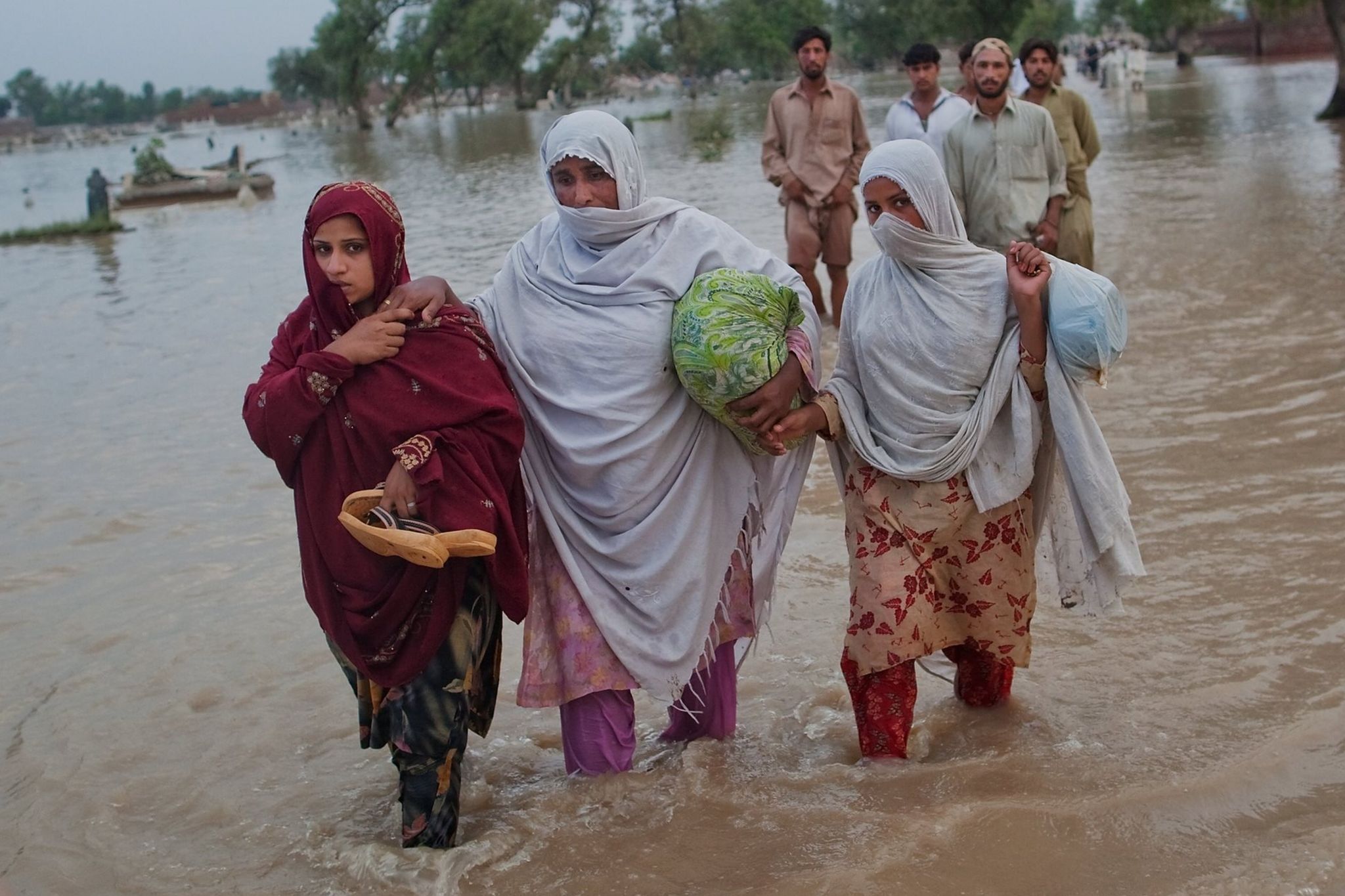
Water Scarcity and Quality: Climate change is exacerbating water scarcity in many regions of the world. Changes in precipitation patterns, increased evaporation rates, and melting glaciers are reducing water availability for drinking, sanitation, and agriculture. Water scarcity can lead to dehydration, poor hygiene, and increased risk of waterborne diseases such as cholera, typhoid fever, and dysentery. Additionally, climate change can degrade water quality by increasing the concentration of pollutants and promoting the growth of harmful algae blooms.
Mental Health: The mental health consequences of climate change are increasingly recognized. In addition to the direct trauma associated with extreme weather events, climate change can cause chronic stress, anxiety, and depression due to concerns about the future, loss of livelihoods, and displacement from homes. Climate change can also exacerbate existing mental health conditions and contribute to social unrest and violence.
Vulnerable Populations
The health impacts of climate change are not evenly distributed across populations. Certain groups are more vulnerable due to factors such as age, socioeconomic status, geographic location, and pre-existing health conditions.
Children: Children are particularly vulnerable to the health impacts of climate change due to their developing immune systems, higher metabolic rates, and greater exposure to environmental hazards. They are more susceptible to heat-related illnesses, respiratory infections, and malnutrition.
Elderly: Older adults are also at increased risk due to their declining physiological functions, chronic diseases, and social isolation. They are more vulnerable to heatstroke, respiratory problems, and cardiovascular events during extreme weather events.
Low-Income Communities: Low-income communities often live in areas that are more exposed to environmental hazards such as air pollution, flooding, and heat waves. They may also have limited access to healthcare, nutritious food, and safe drinking water, making them more vulnerable to the health impacts of climate change.
Indigenous Populations: Indigenous populations often depend on natural resources for their livelihoods and cultural practices. Climate change can disrupt these resources, leading to food insecurity, loss of traditional knowledge, and displacement.
Addressing the Health Impacts of Climate Change
Addressing the health impacts of climate change requires a comprehensive and integrated approach that involves mitigation, adaptation, and resilience-building strategies.
Mitigation: Mitigation involves reducing greenhouse gas emissions to slow down the rate of climate change. This can be achieved by transitioning to renewable energy sources, improving energy efficiency, promoting sustainable transportation, and protecting forests.
Adaptation: Adaptation involves taking steps to protect human health from the unavoidable impacts of climate change. This can include developing early warning systems for extreme weather events, improving water management practices, strengthening public health infrastructure, and promoting climate-resilient agriculture.
Resilience-Building: Resilience-building involves strengthening the capacity of communities to cope with the impacts of climate change. This can include promoting social equity, improving access to healthcare, strengthening social support networks, and empowering local communities to take action.
Policy and Public Health Interventions
Effective policy and public health interventions are essential to address the health impacts of climate change. Some key strategies include:
- Strengthening Public Health Systems: Investing in public health infrastructure, workforce development, and surveillance systems to detect and respond to climate-sensitive diseases.
- Promoting Climate-Resilient Healthcare: Ensuring that healthcare facilities are prepared for extreme weather events and have the resources to provide care during emergencies.
- Implementing Air Quality Standards: Enforcing air quality standards and promoting clean transportation options to reduce air pollution.
- Ensuring Access to Safe Water and Sanitation: Investing in water infrastructure and promoting hygiene practices to prevent waterborne diseases.
- Promoting Sustainable Food Systems: Supporting sustainable agriculture practices and promoting healthy diets to improve food security and nutrition.
- Educating the Public: Raising awareness about the health impacts of climate change and empowering individuals to take action to protect their health and the environment.
- International Cooperation: Collaborating with other countries to share knowledge, resources, and best practices for addressing the health impacts of climate change.
Conclusion
Climate change poses a significant threat to global health, exacerbating existing health problems and creating new challenges. The direct and indirect health impacts of climate change are far-reaching, affecting populations worldwide, particularly the most vulnerable. Addressing these impacts requires a comprehensive and integrated approach that involves mitigation, adaptation, and resilience-building strategies. By implementing effective policies and public health interventions, we can protect human health and build a more sustainable and equitable future for all.


Comments
Post a Comment