In recent years, the mental health landscape has undergone a significant transformation, largely driven by the integration of artificial intelligence (AI) into mental health applications. These innovative apps are revolutionizing the way individuals access and manage their mental well-being, offering personalized support, early intervention, and convenient access to resources. As the demand for mental health services continues to rise, AI-powered apps are emerging as a promising solution to bridge the gap and provide accessible, affordable, and effective care.
The Growing Need for Mental Health Support
Mental health challenges are a global concern, affecting millions of people across all ages, backgrounds, and socioeconomic statuses. According to the World Health Organization (WHO), mental disorders are among the leading causes of disability worldwide, contributing significantly to the global burden of disease. The COVID-19 pandemic has further exacerbated the mental health crisis, leading to increased rates of anxiety, depression, and stress-related disorders.
Despite the growing need for mental health support, access to traditional mental healthcare services remains a significant challenge. Factors such as limited availability of mental health professionals, high costs of treatment, and stigma associated with mental illness often prevent individuals from seeking the help they need. As a result, many people suffer in silence, unable to access timely and effective interventions.
AI: A Game-Changer in Mental Healthcare
Artificial intelligence (AI) is rapidly transforming various aspects of healthcare, and mental health is no exception. AI-powered technologies are being integrated into mental health apps to enhance their capabilities, personalize user experiences, and improve treatment outcomes. By leveraging machine learning, natural language processing, and other AI techniques, these apps can provide a wide range of services, including:
- Personalized Mental Health Support: AI algorithms can analyze user data, such as mood patterns, sleep cycles, and activity levels, to create personalized mental health plans tailored to individual needs. These plans may include guided meditations, cognitive behavioral therapy (CBT) exercises, and mindfulness techniques.
- Early Detection and Intervention: AI-powered apps can detect early signs of mental health issues by analyzing user behavior and identifying patterns that may indicate a decline in mental well-being. This allows for timely intervention and prevents conditions from worsening.
- Chatbots for Mental Health Support: AI-powered chatbots can provide instant support and guidance to users in need. These chatbots are trained to understand and respond to user queries, offer coping strategies, and provide referrals to mental health professionals when necessary.
- Mood Tracking and Analysis: AI algorithms can analyze user data to track mood patterns and identify triggers that may contribute to mood swings. This information can help users gain a better understanding of their mental health and make informed decisions about their care.
- Virtual Therapy: AI-powered virtual therapists can provide remote therapy sessions, offering a convenient and affordable alternative to traditional in-person therapy. These virtual therapists can use AI techniques to analyze user responses, provide personalized feedback, and track progress over time.
Benefits of AI-Powered Mental Health Apps
AI-powered mental health apps offer a wide range of benefits for individuals seeking mental health support:

- Accessibility: AI-powered apps make mental healthcare more accessible to individuals who may not have access to traditional services due to geographical limitations, financial constraints, or other barriers.
- Affordability: AI-powered apps are often more affordable than traditional mental healthcare services, making them a viable option for individuals with limited financial resources.
- Convenience: AI-powered apps can be accessed anytime, anywhere, providing users with the flexibility to manage their mental health on their own terms.
- Personalization: AI algorithms can personalize user experiences, tailoring mental health plans and interventions to individual needs and preferences.
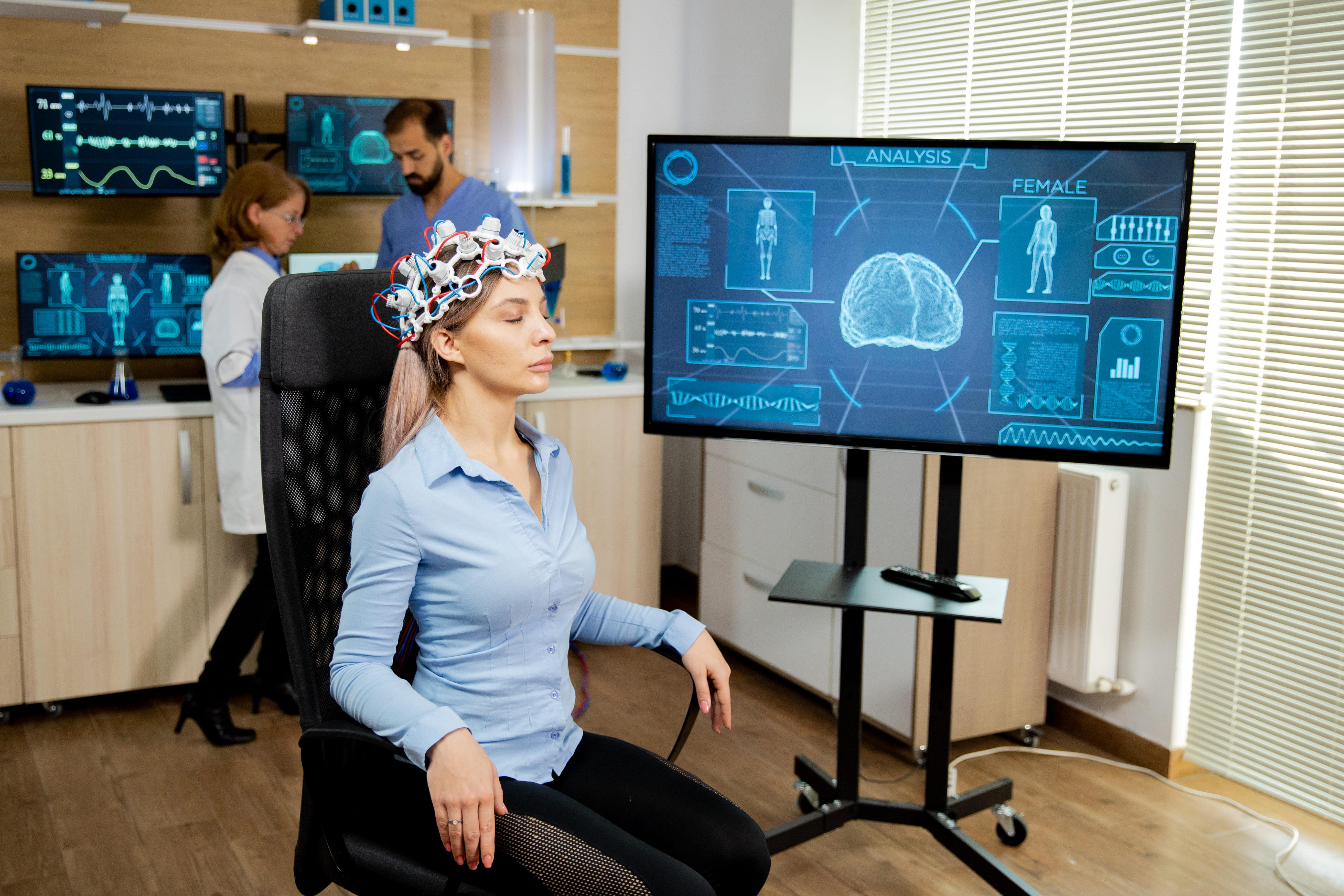
- Early Intervention: AI-powered apps can detect early signs of mental health issues, allowing for timely intervention and preventing conditions from worsening.
- Privacy: AI-powered apps can provide a safe and private space for individuals to explore their mental health concerns without fear of judgment or stigma.
Examples of AI-Powered Mental Health Apps
Several AI-powered mental health apps have emerged in recent years, offering a wide range of services and features:
- Woebot: Woebot is an AI-powered chatbot that provides cognitive behavioral therapy (CBT) to users. The chatbot engages in conversations with users, offering support, guidance, and coping strategies.
- Talkspace: Talkspace is an online therapy platform that connects users with licensed therapists. The platform uses AI to match users with therapists who are best suited to their needs.
- Moodpath: Moodpath is a mental health app that helps users track their mood and identify patterns that may indicate a decline in mental well-being. The app also provides personalized recommendations for mental health resources and interventions.
- Youper: Youper is an AI-powered mental health app that provides personalized mental health support, including guided meditations, CBT exercises, and mood tracking.
- Wysa: Wysa is an AI-powered chatbot that provides mental health support and guidance to users. The chatbot uses evidence-based techniques to help users manage stress, anxiety, and depression.
Challenges and Considerations
While AI-powered mental health apps offer numerous benefits, it is important to acknowledge the challenges and considerations associated with their use:
- Data Privacy and Security: AI-powered apps collect and analyze user data, raising concerns about data privacy and security. It is crucial to ensure that these apps comply with data protection regulations and employ robust security measures to protect user data.
- Accuracy and Reliability: AI algorithms are not perfect and may sometimes produce inaccurate or unreliable results. It is important to carefully evaluate the accuracy and reliability of AI-powered apps before using them for mental health support.
- Ethical Considerations: The use of AI in mental healthcare raises ethical considerations, such as the potential for bias in algorithms and the need for transparency in how AI systems work.
- Lack of Human Connection: AI-powered apps cannot replace the human connection and empathy that are essential for effective mental healthcare. It is important to use these apps as a supplement to, rather than a replacement for, traditional mental healthcare services.
- Regulation and Oversight: The mental health app market is largely unregulated, which raises concerns about the quality and safety of these apps. There is a need for greater regulation and oversight to ensure that AI-powered mental health apps are safe, effective, and ethical.
The Future of AI in Mental Healthcare
AI is poised to play an increasingly important role in mental healthcare in the years to come. As AI technology continues to advance, we can expect to see even more innovative and effective AI-powered mental health apps emerge. These apps will likely be able to provide even more personalized support, early intervention, and convenient access to resources.
In the future, AI may be used to:
- Develop personalized medications: AI algorithms can analyze patient data to identify the most effective medications for individual patients.
- Predict mental health crises: AI algorithms can analyze user data to predict when individuals are at risk of experiencing a mental health crisis.
- Improve the accuracy of mental health diagnoses: AI algorithms can analyze patient data to improve the accuracy of mental health diagnoses.
- Provide more engaging and interactive therapy: AI-powered virtual therapists can provide more engaging and interactive therapy sessions.
Conclusion
AI is transforming the mental health landscape, offering new and innovative ways to access and manage mental well-being. AI-powered mental health apps provide personalized support, early intervention, and convenient access to resources, making mental healthcare more accessible, affordable, and effective. While there are challenges and considerations associated with the use of AI in mental healthcare, the potential benefits are significant. As AI technology continues to advance, we can expect to see even more innovative and effective AI-powered mental health apps emerge, further revolutionizing the way individuals access and manage their mental well-being.


Comments
Post a Comment