In today’s fast-paced world, where health and wellness have taken center stage, wearable technology has emerged as a game-changer. These innovative devices, worn on the body like accessories, have revolutionized the way we monitor and manage our health. From smartwatches and fitness trackers to specialized sensors, wearable tech offers a wealth of real-time data and insights, empowering individuals to take control of their well-being.
The Rise of Wearable Technology
Wearable technology has come a long way in a relatively short period. Early iterations were often bulky and limited in functionality, but advancements in sensor technology, miniaturization, and data processing have led to sleek, sophisticated devices that seamlessly integrate into our daily lives. The market for wearable tech has exploded, with millions of people worldwide embracing these devices to track their fitness, monitor their health, and stay connected.
How Wearable Tech Works
At the heart of wearable tech lies a suite of sensors that collect data about the wearer’s body and environment. These sensors can track a wide range of metrics, including:
Heart Rate: Optical sensors, typically using photoplethysmography (PPG), measure heart rate by detecting changes in blood flow through the skin.
Activity Levels: Accelerometers and gyroscopes track movement, steps taken, distance traveled, and activity intensity.
Sleep Patterns: Wearable devices monitor sleep duration, sleep stages (light, deep, REM), and sleep quality.
Location: GPS sensors pinpoint the wearer’s location, enabling tracking of outdoor activities like running or cycling.
Skin Temperature: Thermistors measure skin temperature, which can be an indicator of fever or other health conditions.

Blood Oxygen Saturation (SpO2): Pulse oximetry sensors estimate the percentage of oxygen in the blood.
Electrocardiogram (ECG): Some advanced wearables can record an electrocardiogram, which measures the electrical activity of the heart.
The data collected by these sensors is processed by the device and then typically transmitted wirelessly to a smartphone, tablet, or computer. Users can then view their data through dedicated apps, which often provide insights, trends, and personalized recommendations.
Benefits of Tracking Your Health in Real-Time
Wearable tech offers a multitude of benefits for individuals seeking to improve their health and well-being:
Increased Awareness: Wearable devices provide a constant stream of data about your body, making you more aware of your activity levels, sleep patterns, and other health metrics. This increased awareness can motivate you to make healthier choices.
Personalized Insights: Wearable tech apps analyze your data to provide personalized insights and recommendations. For example, a fitness tracker might suggest increasing your daily step count or improving your sleep hygiene.
Early Detection of Health Issues: Some wearable devices can detect irregularities in heart rate, sleep patterns, or other health metrics, potentially alerting you to underlying health issues before they become serious.
Improved Fitness: Wearable tech can help you track your workouts, set goals, and monitor your progress. This can be particularly motivating for people who are trying to lose weight, build muscle, or improve their overall fitness.
Better Sleep: Wearable devices can track your sleep patterns and provide insights into how to improve your sleep quality. This can be helpful for people who struggle with insomnia or other sleep disorders.
Stress Management: Some wearable devices can measure stress levels by tracking heart rate variability. This can help you identify triggers and develop strategies for managing stress.
Remote Patient Monitoring: Wearable tech is increasingly being used for remote patient monitoring, allowing healthcare providers to track patients’ health remotely and intervene when necessary. This can be particularly beneficial for people with chronic conditions.
Examples of Wearable Tech
The wearable tech market offers a wide variety of devices, each with its own unique features and capabilities:
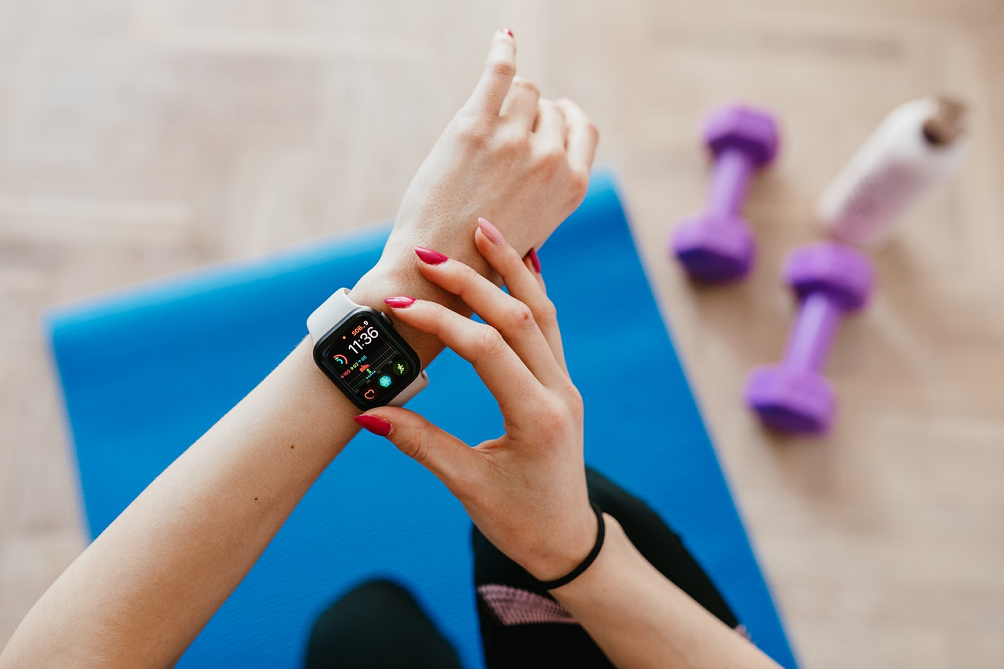
Smartwatches: Smartwatches are wrist-worn devices that offer a range of features, including fitness tracking, notifications, communication, and access to apps. Popular smartwatches include the Apple Watch, Samsung Galaxy Watch, and Fitbit Versa.
Fitness Trackers: Fitness trackers are designed specifically for tracking activity levels, sleep patterns, and other fitness metrics. Popular fitness trackers include the Fitbit Inspire, Garmin Vivosmart, and Xiaomi Mi Band.
Smart Clothing: Smart clothing incorporates sensors directly into the fabric to track a variety of metrics, such as heart rate, breathing rate, and muscle activity. Examples include smart shirts, smart socks, and smart yoga pants.
Head-Mounted Displays: Head-mounted displays, such as augmented reality (AR) glasses and virtual reality (VR) headsets, can provide immersive experiences and access to information. While not always focused on health, some AR/VR applications are being developed for medical training and rehabilitation.
Wearable Medical Devices: Wearable medical devices are designed to monitor specific health conditions, such as diabetes, heart disease, or epilepsy. Examples include continuous glucose monitors (CGMs), wearable ECG monitors, and seizure detection devices.
Challenges and Considerations
While wearable tech offers many benefits, there are also some challenges and considerations to keep in mind:
Accuracy: The accuracy of wearable tech devices can vary depending on the device, the sensor technology, and the individual user. It’s important to choose a device that has been validated for accuracy and to understand the limitations of the data.
Privacy: Wearable tech devices collect a lot of personal data, so it’s important to be aware of the privacy policies of the device manufacturer and the app developers. You should also take steps to protect your data, such as using a strong password and enabling two-factor authentication.
Data Overload: Wearable tech can generate a lot of data, which can be overwhelming for some users. It’s important to focus on the metrics that are most relevant to your health goals and to avoid getting bogged down in the details.
Cost: Wearable tech devices can range in price from affordable to expensive. It’s important to consider your budget and your needs when choosing a device.
Integration with Healthcare: While wearable tech can provide valuable data for healthcare providers, it’s not always easy to integrate this data into existing healthcare systems. There is a need for better standards and protocols for sharing wearable tech data with healthcare providers.
Battery Life: Some wearable devices have limited battery life, which can be inconvenient. It’s important to consider battery life when choosing a device.
The Future of Wearable Tech
The future of wearable tech is bright, with continued advancements in sensor technology, data processing, and artificial intelligence. We can expect to see:
More Accurate and Reliable Sensors: Sensors will become more accurate and reliable, providing even more detailed and personalized data.
Improved Data Analysis: AI and machine learning will be used to analyze wearable tech data and provide more sophisticated insights and recommendations.
Seamless Integration with Healthcare: Wearable tech will become more seamlessly integrated into healthcare systems, allowing healthcare providers to better monitor patients’ health and provide personalized care.
New Applications: Wearable tech will be used for a wider range of applications, such as mental health monitoring, stress management, and disease prevention.
More Discreet and Comfortable Devices: Wearable devices will become more discreet and comfortable, making them easier to wear and use.
Conclusion
Wearable technology has transformed the way we track and manage our health. By providing real-time data and personalized insights, these devices empower individuals to take control of their well-being and make healthier choices. While there are some challenges and considerations to keep in mind, the benefits of wearable tech are clear. As technology continues to advance, we can expect to see even more innovative and impactful applications of wearable tech in the years to come. From fitness enthusiasts to individuals managing chronic conditions, wearable tech is poised to play an increasingly important role in our health and wellness journey.


Comments
Post a Comment