Addiction is a complex and chronic disease that affects millions of people worldwide. It is characterized by compulsive drug-seeking and use, despite harmful consequences. Addiction is not a moral failing or a character flaw. It is a brain disease that can be treated effectively.
The Neurobiology of Addiction
Addiction is a disease of the brain. Drugs of abuse alter the brain’s structure and function, leading to changes in behavior. The brain’s reward system is particularly affected by drugs of abuse. This system is responsible for the pleasurable feelings that we experience when we engage in activities that are essential for survival, such as eating and sex.
Drugs of abuse hijack the brain’s reward system, causing it to release large amounts of dopamine. Dopamine is a neurotransmitter that is associated with pleasure and motivation. When dopamine levels are high, we experience intense feelings of pleasure. This can lead us to repeat the behaviors that caused the dopamine release, even if those behaviors are harmful.
Over time, repeated drug use can lead to changes in the brain’s reward system. The brain becomes less sensitive to dopamine, so we need to take more of the drug to get the same effect. This is called tolerance. We may also experience withdrawal symptoms when we stop taking the drug. Withdrawal symptoms are unpleasant physical and psychological symptoms that can make it difficult to quit using drugs.
Addiction also affects other parts of the brain, including the prefrontal cortex. The prefrontal cortex is responsible for executive functions, such as planning, decision-making, and impulse control. Drugs of abuse can impair the function of the prefrontal cortex, making it difficult to control our drug use.
The Genetic and Environmental Factors of Addiction
Addiction is a complex disease that is influenced by both genetic and environmental factors. Genetic factors can make some people more vulnerable to addiction than others. Environmental factors, such as exposure to drugs, stress, and trauma, can also increase the risk of addiction.
Studies have shown that addiction runs in families. This suggests that there is a genetic component to addiction. However, it is important to note that not everyone who has a family history of addiction will develop the disease. Environmental factors also play a role.
Exposure to drugs early in life can increase the risk of addiction. This is because the brain is still developing during adolescence, and it is more vulnerable to the effects of drugs. Stress and trauma can also increase the risk of addiction. People who have experienced trauma may use drugs to cope with their pain.
The Stages of Addiction
Addiction is a chronic disease that progresses over time. There are three main stages of addiction:
- Experimentation: This is the first stage of addiction. People in this stage may experiment with drugs out of curiosity or peer pressure.
- Regular Use: In this stage, people start using drugs regularly. They may use drugs to cope with stress or to feel good.

- Addiction: This is the final stage of addiction. People in this stage are addicted to drugs. They experience compulsive drug-seeking and use, despite harmful consequences.
The Importance of Early Intervention
Early intervention is crucial for people who are struggling with addiction. The earlier someone gets help, the better their chances of recovery. There are a number of effective treatments for addiction. These treatments can help people to stop using drugs, manage their withdrawal symptoms, and prevent relapse.
Treatment Options for Addiction
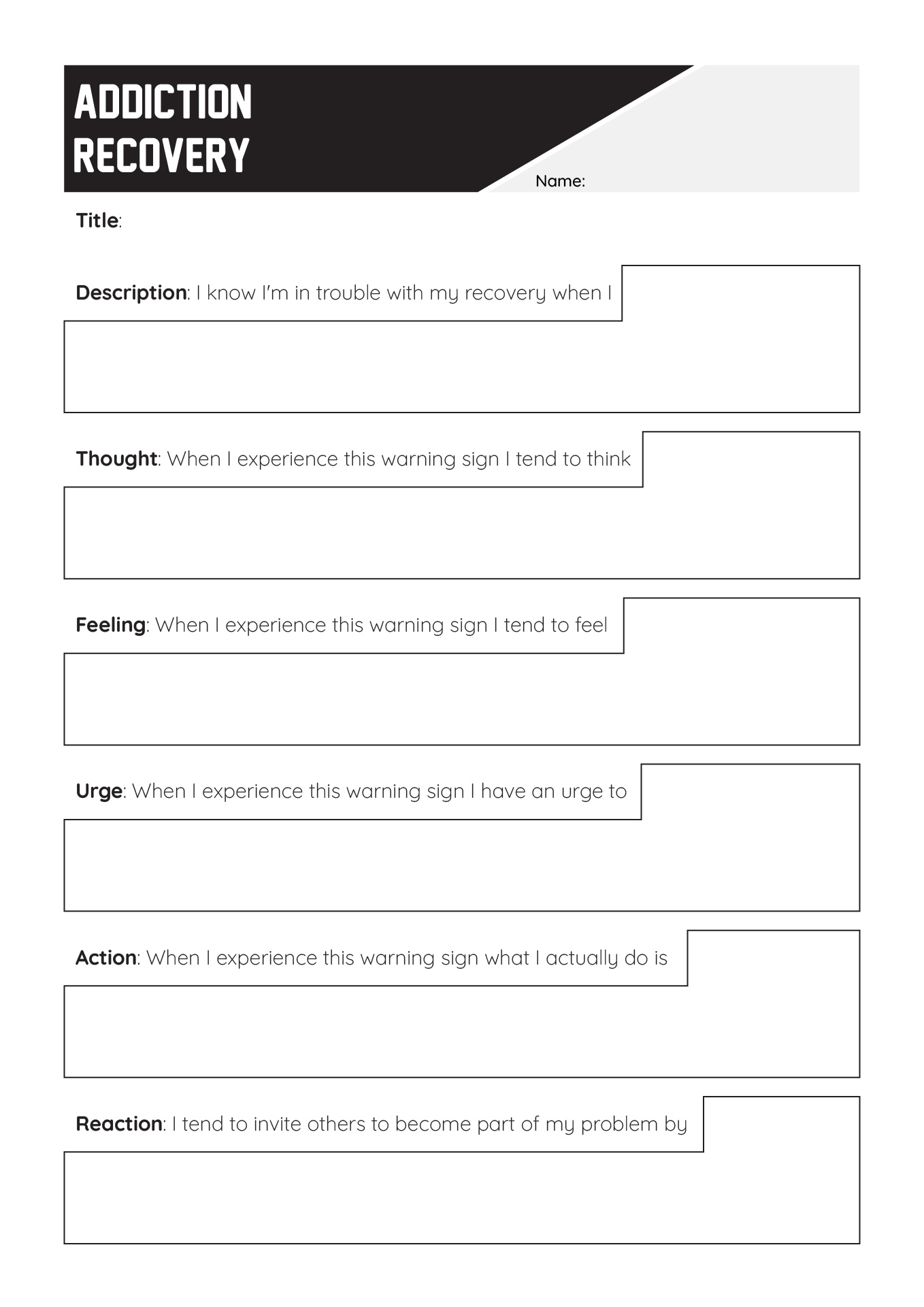
There are a variety of effective treatments for addiction. These treatments can help people to stop using drugs, manage their withdrawal symptoms, and prevent relapse. Some common treatment options include:
- Detoxification: Detoxification is the process of removing drugs from the body. It is often the first step in treatment for addiction. Detoxification can be done in a hospital, a treatment center, or at home.
- Therapy: Therapy can help people to understand their addiction and to develop coping skills. There are many different types of therapy that can be used to treat addiction, such as cognitive-behavioral therapy, dialectical behavior therapy, and motivational interviewing.
- Medication: Medication can be used to manage withdrawal symptoms and to prevent relapse. There are a number of different medications that can be used to treat addiction, such as methadone, buprenorphine, and naltrexone.
- Support Groups: Support groups can provide people with a sense of community and support. There are many different types of support groups for people with addiction, such as Alcoholics Anonymous, Narcotics Anonymous, and SMART Recovery.
The Role of Community Support in Recovery
Community support is essential for people in recovery from addiction. Supportive friends, family, and community members can provide encouragement, understanding, and practical assistance. Support groups, such as Alcoholics Anonymous and Narcotics Anonymous, can also provide a sense of community and belonging.
The Science of Recovery
Recovery from addiction is a process, not an event. It takes time, effort, and commitment. However, it is possible to recover from addiction and to live a healthy and fulfilling life.
The science of recovery is still in its early stages, but there is growing evidence that certain factors can promote recovery. These factors include:
- Strong social support: People who have strong social support are more likely to recover from addiction.
- Meaningful activities: Engaging in meaningful activities, such as work, hobbies, or volunteering, can help people to stay sober.
- Hope: Hope is essential for recovery. People who believe that they can recover from addiction are more likely to do so.
- Self-care: Taking care of oneself physically and emotionally is important for recovery. This includes eating healthy, exercising, getting enough sleep, and managing stress.
Relapse Prevention
Relapse is a common part of the recovery process. It is important to have a plan in place to prevent relapse. Some strategies for relapse prevention include:
- Identifying triggers: Triggers are people, places, or things that can lead to relapse. It is important to identify your triggers and to avoid them.
- Developing coping skills: Coping skills can help you to manage stress and to avoid relapse. Some coping skills include exercise, meditation, and spending time with loved ones.
- Having a support system: A strong support system can help you to stay sober. Make sure to have people in your life who you can talk to about your addiction.
- Attending support groups: Support groups can provide you with a sense of community and support.
- Seeking professional help: If you are struggling to stay sober, it is important to seek professional help. A therapist or counselor can help you to develop a relapse prevention plan.
The Stigma of Addiction
Addiction is a stigmatized disease. People with addiction are often judged and discriminated against. This stigma can make it difficult for people to seek help for their addiction.
It is important to remember that addiction is a disease, not a moral failing. People with addiction deserve compassion and support. We can help to reduce the stigma of addiction by educating ourselves and others about the disease.
Conclusion
Addiction is a complex and chronic disease that affects millions of people worldwide. It is a brain disease that can be treated effectively. There are a variety of effective treatments for addiction, such as detoxification, therapy, medication, and support groups. Recovery from addiction is a process, not an event. It takes time, effort, and commitment. However, it is possible to recover from addiction and to live a healthy and fulfilling life. By understanding the science of addiction and recovery, we can help to reduce the stigma of addiction and to support people in their recovery.


Comments
Post a Comment