Cancer remains a formidable global health challenge, characterized by its complex nature and the devastating impact it has on individuals and communities worldwide. Early detection is paramount in improving patient outcomes and increasing the chances of successful treatment. Over the years, significant strides have been made in cancer detection technologies, offering hope for more accurate, less invasive, and more effective methods. In this article, we will delve into the latest advancements in cancer detection technologies, exploring their potential to revolutionize the field of oncology.
1. Liquid Biopsies: A Non-Invasive Revolution
Traditional biopsies involve surgically removing tissue samples for analysis, which can be invasive and time-consuming. Liquid biopsies offer a non-invasive alternative by analyzing bodily fluids, such as blood, for circulating tumor cells (CTCs), circulating tumor DNA (ctDNA), and other cancer-related biomarkers.
- Circulating Tumor Cells (CTCs): CTCs are cancer cells that have detached from the primary tumor and entered the bloodstream. Detecting and analyzing CTCs can provide valuable information about the tumor’s characteristics, including its genetic makeup and potential drug resistance.
- Circulating Tumor DNA (ctDNA): ctDNA consists of DNA fragments shed by cancer cells into the bloodstream. Analyzing ctDNA can reveal genetic mutations, enabling early detection, monitoring treatment response, and identifying potential targets for therapy.
- Exosomes: These tiny vesicles secreted by cells contain proteins, RNA, and DNA. Analyzing exosomes can provide insights into the tumor microenvironment and help identify cancer-specific biomarkers.
Liquid biopsies offer several advantages over traditional biopsies, including their non-invasive nature, ability to provide real-time monitoring of cancer progression, and potential to detect cancer at an early stage when treatment is more likely to be successful.
2. Advanced Imaging Techniques: Seeing the Unseen
Medical imaging plays a crucial role in cancer detection, allowing clinicians to visualize tumors and assess their size, location, and spread. Recent advancements in imaging technologies have significantly improved the accuracy and sensitivity of cancer detection.
- Positron Emission Tomography-Computed Tomography (PET-CT): PET-CT combines the functional information from PET with the anatomical detail from CT, providing a comprehensive view of cancer activity. PET-CT is particularly useful for detecting metastatic disease and assessing treatment response.
- Magnetic Resonance Imaging (MRI): MRI uses strong magnetic fields and radio waves to create detailed images of the body’s organs and tissues. Advances in MRI technology, such as diffusion-weighted imaging (DWI) and dynamic contrast-enhanced MRI (DCE-MRI), have improved the detection and characterization of tumors.
- Optical Imaging: Optical imaging techniques use light to visualize biological tissues and processes. Techniques such as fluorescence imaging and photoacoustic imaging offer high sensitivity and specificity for cancer detection.
3. Artificial Intelligence (AI) and Machine Learning (ML): Enhancing Diagnostic Accuracy
AI and ML are transforming cancer detection by enabling the analysis of large datasets and the identification of subtle patterns that may be missed by human observers.
- Image Analysis: AI algorithms can be trained to analyze medical images, such as mammograms, CT scans, and MRI scans, to detect suspicious lesions and assist radiologists in making accurate diagnoses.

- Genomic Analysis: AI can analyze genomic data to identify cancer-related mutations, predict treatment response, and personalize cancer therapy.
- Predictive Modeling: AI can be used to develop predictive models that identify individuals at high risk of developing cancer, allowing for early screening and intervention.
4. Biomarker Discovery: Unlocking Cancer’s Secrets
Biomarkers are measurable indicators of a biological state or condition. Identifying and validating cancer-specific biomarkers is crucial for early detection, risk assessment, and personalized treatment.
- Proteomics: Proteomics involves the study of proteins, which are the workhorses of cells. Analyzing protein expression patterns can reveal cancer-specific biomarkers that can be used for early detection and diagnosis.
- Genomics: Genomics involves the study of genes and their functions. Analyzing gene expression patterns and identifying cancer-related mutations can provide valuable insights into cancer development and progression.
- Metabolomics: Metabolomics involves the study of metabolites, which are small molecules involved in cellular metabolism. Analyzing metabolite profiles can reveal cancer-specific biomarkers that can be used for early detection and diagnosis.
5. Nanotechnology: Delivering Precision Diagnostics
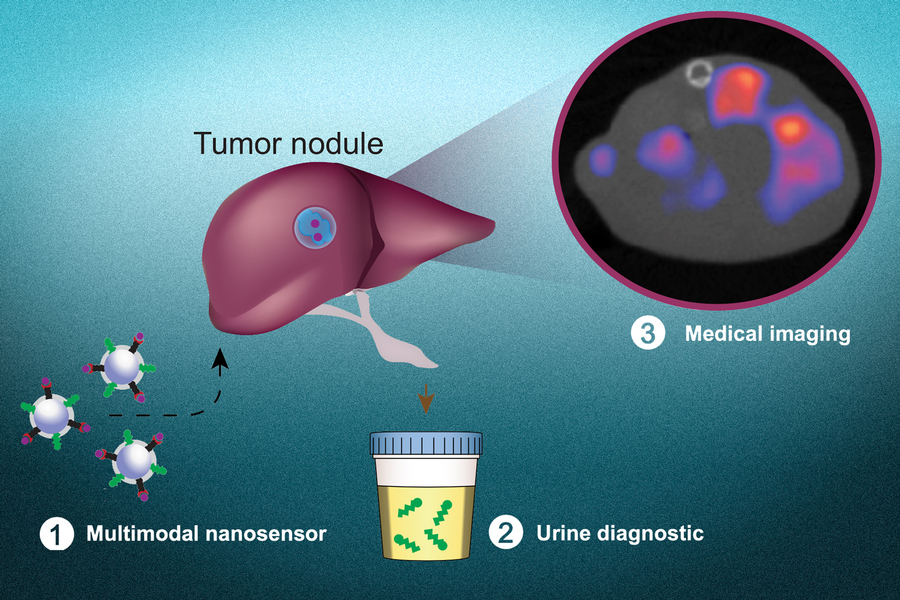
Nanotechnology involves the manipulation of matter at the nanoscale. Nanoparticles can be engineered to target cancer cells specifically, enabling early detection and targeted therapy.
- Nanoparticle-Based Imaging: Nanoparticles can be used as contrast agents in medical imaging, enhancing the visibility of tumors and improving the accuracy of cancer detection.
- Nanoparticle-Based Drug Delivery: Nanoparticles can be used to deliver drugs directly to cancer cells, minimizing side effects and improving treatment efficacy.
- Nanosensors: Nanosensors can be used to detect cancer-specific biomarkers in bodily fluids, enabling early detection and monitoring of cancer progression.
6. Emerging Technologies: The Future of Cancer Detection
Several emerging technologies hold promise for revolutionizing cancer detection in the future.
- CRISPR-Based Diagnostics: CRISPR (Clustered Regularly Interspaced Short Palindromic Repeats) is a gene-editing technology that can be used to detect cancer-specific DNA sequences with high accuracy.
- Microfluidics: Microfluidic devices can be used to separate and analyze cancer cells and biomarkers from bodily fluids, enabling early detection and personalized treatment.
- Virtual Reality (VR): VR technology can be used to create immersive simulations of tumors, allowing clinicians to visualize and plan surgeries more effectively.
Challenges and Future Directions
While the advancements in cancer detection technologies are promising, several challenges remain.
- Cost: Some advanced cancer detection technologies can be expensive, limiting their accessibility to all patients.
- Specificity: Some biomarkers and imaging techniques may not be specific to cancer, leading to false-positive results.
- Validation: Many new cancer detection technologies require further validation in large-scale clinical trials to confirm their accuracy and effectiveness.
Future research efforts should focus on addressing these challenges and developing more accurate, affordable, and accessible cancer detection technologies.
Conclusion
The latest advancements in cancer detection technologies offer hope for earlier and more accurate diagnosis, leading to improved patient outcomes. Liquid biopsies, advanced imaging techniques, AI, biomarker discovery, nanotechnology, and emerging technologies are transforming the field of oncology and paving the way for a future where cancer can be detected and treated more effectively. As research continues and new technologies emerge, we can anticipate even greater progress in the fight against cancer.


Comments
Post a Comment