Electromagnetic radiation (EMR) is a ubiquitous aspect of modern life. From the moment we wake up and check our smartphones to the hours we spend in front of computers, we are constantly exposed to a sea of electromagnetic fields. While many of these technologies have revolutionized the way we live, work, and communicate, concerns have been raised about the potential health risks associated with prolonged exposure to electromagnetic radiation.
Understanding Electromagnetic Radiation
Electromagnetic radiation is a form of energy that travels in waves and encompasses a wide spectrum, ranging from low-frequency radiation like radio waves and microwaves to high-frequency radiation like X-rays and gamma rays. The electromagnetic spectrum is categorized into two main types:
Non-ionizing radiation: This type of radiation has lower energy and does not have enough power to remove electrons from atoms or molecules, a process called ionization. Examples include radio waves, microwaves, infrared radiation, visible light, and extremely low frequency (ELF) radiation.
Ionizing radiation: This type of radiation has high energy and can remove electrons from atoms and molecules, potentially damaging DNA and causing cellular damage. Examples include X-rays, gamma rays, and some ultraviolet (UV) radiation.
The health risks associated with EMR depend on several factors, including the frequency, intensity, duration of exposure, and the distance from the source.
Sources of Electromagnetic Radiation
EMR is both naturally occurring and man-made. Natural sources include the sun, the Earth’s magnetic field, and lightning. Man-made sources are increasingly prevalent in our daily lives and include:

Mobile phones and cell towers: These devices emit radiofrequency (RF) radiation, a form of non-ionizing radiation.
Wi-Fi routers: These devices also emit RF radiation, allowing wireless internet access.
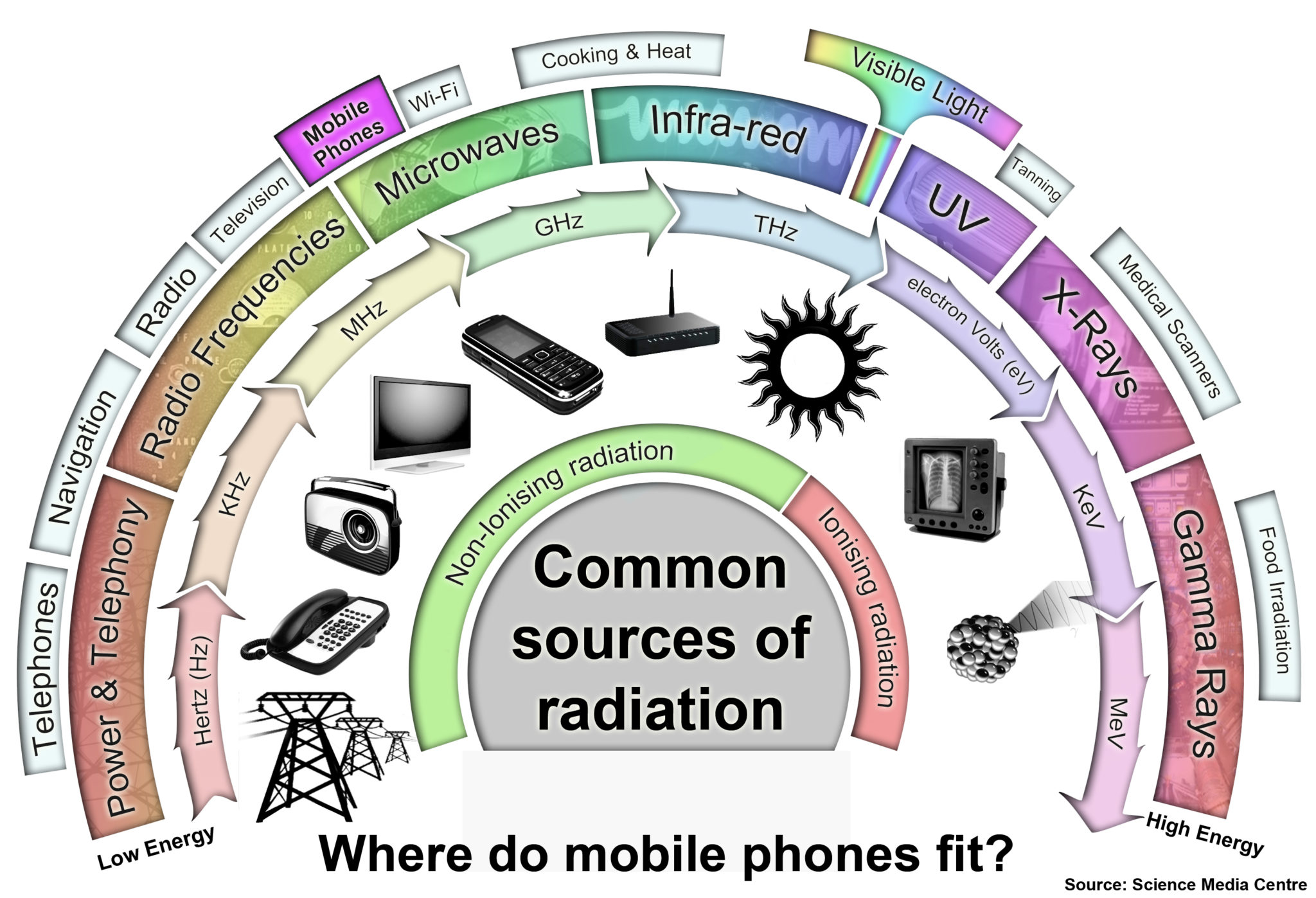
Microwave ovens: These appliances use microwaves, a form of RF radiation, to heat food.
Power lines and electrical appliances: These sources emit extremely low frequency (ELF) radiation.
Medical imaging devices: X-ray machines and CT scanners emit ionizing radiation.
Potential Health Risks
The potential health risks associated with EMR exposure have been a subject of ongoing research and debate. While the effects of ionizing radiation are well-established, the health effects of non-ionizing radiation are more complex and less clear.
1. Cancer
One of the most significant concerns about EMR exposure is its potential link to cancer. Ionizing radiation is a known carcinogen, and exposure to high doses can significantly increase the risk of various cancers.
The association between non-ionizing radiation and cancer is less clear. Some studies have suggested a possible link between long-term mobile phone use and certain types of brain tumors, such as gliomas and acoustic neuromas. However, these findings have been inconsistent, and other studies have not found a significant association.
The International Agency for Research on Cancer (IARC), part of the World Health Organization (WHO), has classified RF radiation as "possibly carcinogenic to humans" (Group 2B), based on limited evidence from human studies.
2. Electromagnetic Hypersensitivity (EHS)
Electromagnetic hypersensitivity (EHS) is a condition in which individuals report experiencing a variety of non-specific symptoms, such as headaches, fatigue, dizziness, nausea, heart palpitations, and skin rashes, in response to exposure to electromagnetic fields.
The existence and nature of EHS are controversial. While some individuals genuinely experience these symptoms, controlled studies have not consistently shown a causal link between EMF exposure and the reported symptoms. The WHO recognizes EHS as a real and sometimes disabling problem but emphasizes that there is no scientific basis to link EHS symptoms to EMF exposure.
3. Reproductive Health
Some studies have suggested that EMR exposure may have adverse effects on reproductive health, particularly in males. Exposure to RF radiation from mobile phones has been linked to decreased sperm count, reduced sperm motility, and DNA damage in sperm.
However, the evidence is not conclusive, and more research is needed to fully understand the potential impact of EMR exposure on male and female reproductive health.
4. Neurological Effects
EMR exposure may have neurological effects, particularly on brain activity and cognitive function. Some studies have found that exposure to RF radiation from mobile phones can affect brainwave patterns, sleep quality, and cognitive performance.
However, the effects are generally small and transient, and the long-term consequences are not well understood.
5. Childhood Exposure
Children are potentially more vulnerable to the effects of EMR exposure than adults because their brains and bodies are still developing. Their skulls are thinner, and their tissues absorb more energy from electromagnetic fields.
Some studies have suggested that childhood exposure to EMR may increase the risk of certain types of cancer, such as leukemia and brain tumors. However, the evidence is limited, and more research is needed to determine the long-term effects of EMR exposure on children’s health.
6. Other Potential Health Effects
EMR exposure has been linked to a variety of other potential health effects, including:
Cardiovascular effects: Some studies have suggested that EMR exposure may affect heart rate, blood pressure, and heart rate variability.
Immune system effects: EMR exposure may affect immune system function, potentially increasing susceptibility to infections and autoimmune diseases.
Skin effects: Exposure to UV radiation from the sun can cause sunburn, premature aging, and skin cancer.
Mitigating the Risks
While the health risks associated with EMR exposure are still being investigated, there are several steps that individuals can take to minimize their exposure:
- Limit mobile phone use: Use a headset or speakerphone to keep the phone away from your head, and avoid carrying your phone in your pocket.
- Keep a distance from EMF sources: Maintain a safe distance from cell towers, Wi-Fi routers, and other sources of EMR.
- Turn off Wi-Fi at night: If possible, turn off your Wi-Fi router at night to reduce exposure to RF radiation while you sleep.
- Use wired connections: Whenever possible, use wired connections for internet access and phone calls instead of wireless connections.
- Protect children: Limit children’s exposure to mobile phones and other wireless devices, and encourage them to spend time outdoors.
- Shielding: Shielding materials can be used to reduce exposure to EMR.
- Diet and Lifestyle: A healthy diet and lifestyle can help to protect against the potential health effects of EMR exposure.
Conclusion
Electromagnetic radiation is an integral part of modern life, and it is impossible to completely avoid exposure. While the health risks associated with EMR exposure are still being investigated, there is growing concern about the potential long-term effects. By understanding the sources of EMR, the potential health risks, and the steps that can be taken to minimize exposure, individuals can make informed decisions to protect their health and well-being.
It is important to note that research in this area is ongoing, and the scientific understanding of the health effects of EMR is constantly evolving. It is essential to stay informed about the latest research and recommendations from reputable sources, such as the World Health Organization and other scientific organizations.
Disclaimer: This article is for informational purposes only and does not constitute medical advice. Always consult with a qualified healthcare professional for any health concerns or before making any decisions related to your health or treatment.


Comments
Post a Comment