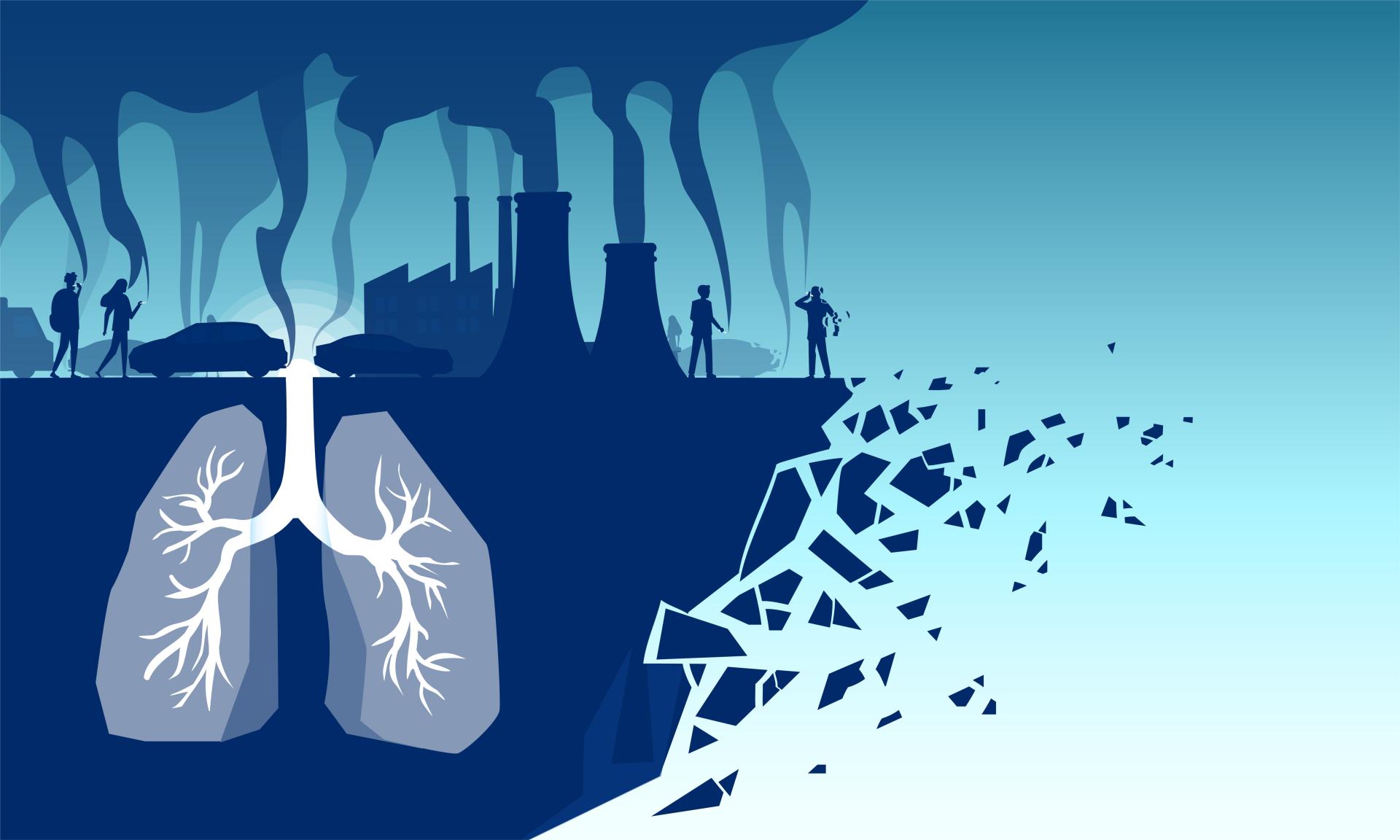
Air pollution, long recognized as a major environmental concern affecting respiratory and cardiovascular health, is now increasingly implicated as a significant threat to brain health. Emerging research reveals that exposure to various air pollutants can have detrimental effects on cognitive function, neurodevelopment, and the risk of neurodegenerative diseases. As urbanization and industrialization continue to escalate globally, understanding the intricate relationship between air quality and brain health becomes paramount for public health and preventative strategies.
The Composition of Air Pollution: A Toxic Cocktail
Air pollution is a complex mixture of particulate matter (PM), gaseous pollutants, and volatile organic compounds (VOCs). These components arise from a variety of sources, including:
- Combustion Processes: Vehicles, power plants, industrial facilities, and residential heating systems release pollutants through the burning of fossil fuels.
- Industrial Activities: Manufacturing processes, construction, and mining operations generate dust, fumes, and chemical emissions.
- Agriculture: Agricultural practices contribute to air pollution through the release of ammonia, pesticides, and dust.
- Natural Sources: Natural events such as wildfires, volcanic eruptions, and dust storms can also contribute significantly to air pollution.
Among the most concerning air pollutants for brain health are:
- Particulate Matter (PM): PM is classified based on its size, with PM2.5 (fine particles with a diameter of 2.5 micrometers or less) and PM10 (coarse particles with a diameter of 10 micrometers or less) being the most studied. PM2.5 is particularly dangerous as it can penetrate deep into the respiratory system and even enter the bloodstream.
- Nitrogen Dioxide (NO2): A gas produced by combustion processes, NO2 is a major component of smog and can cause inflammation in the respiratory system.
- Ozone (O3): Ground-level ozone is formed when pollutants react in the presence of sunlight. It is a powerful oxidant that can damage lung tissue and exacerbate respiratory conditions.
- Carbon Monoxide (CO): A colorless, odorless gas produced by incomplete combustion, CO can reduce the oxygen-carrying capacity of the blood, leading to hypoxia and neurological effects.
- Volatile Organic Compounds (VOCs): VOCs are emitted from a variety of sources, including paints, solvents, and industrial processes. Some VOCs are known carcinogens, while others can cause neurological symptoms.
Mechanisms of Neurotoxicity: How Air Pollution Impacts the Brain
Air pollutants can affect the brain through several pathways:

Direct Neuroinflammation: When inhaled, particulate matter and gaseous pollutants can trigger an inflammatory response in the respiratory system. These inflammatory signals can then travel to the brain, activating microglia (the brain’s immune cells) and leading to chronic neuroinflammation. Chronic neuroinflammation is implicated in a variety of neurodegenerative diseases, including Alzheimer’s disease and Parkinson’s disease.
Oxidative Stress: Air pollutants can induce oxidative stress in the brain by generating reactive oxygen species (ROS) and reactive nitrogen species (RNS). These free radicals can damage cellular components, including DNA, proteins, and lipids, leading to neuronal dysfunction and cell death.
Blood-Brain Barrier Disruption: The blood-brain barrier (BBB) is a protective barrier that prevents harmful substances from entering the brain. However, exposure to air pollutants can compromise the integrity of the BBB, allowing toxins and inflammatory molecules to enter the brain more easily.
Direct Entry into the Brain: Ultrafine particles (UFPs), a subset of PM2.5, are so small that they can enter the brain directly through the olfactory nerve (the nerve responsible for smell) or by crossing the BBB. Once in the brain, UFPs can accumulate and cause local inflammation and oxidative stress.
Systemic Inflammation: Air pollution can induce systemic inflammation, which can indirectly affect the brain by disrupting neurotransmitter function and altering brain metabolism.
Cognitive Effects of Air Pollution: A Decline in Mental Performance
Numerous studies have linked air pollution exposure to cognitive deficits in both children and adults. These effects include:
- Impaired Cognitive Development in Children: Children are particularly vulnerable to the neurotoxic effects of air pollution because their brains are still developing. Studies have shown that children living in areas with high levels of air pollution have lower IQ scores, impaired attention and memory, and increased risk of behavioral problems.
- Cognitive Decline in Adults: Long-term exposure to air pollution has been associated with accelerated cognitive decline in adults, particularly in older adults. Studies have shown that people living in areas with high levels of air pollution have a higher risk of developing dementia and Alzheimer’s disease.
- Reduced Academic Performance: Exposure to air pollution can negatively impact academic performance in children by impairing their ability to concentrate, learn, and remember information.
- Decreased Productivity: Air pollution can affect productivity in adults by causing fatigue, headaches, and difficulty concentrating.
Neurodegenerative Diseases: A Growing Concern
Emerging evidence suggests that air pollution may increase the risk of developing neurodegenerative diseases such as Alzheimer’s disease, Parkinson’s disease, and multiple sclerosis.
- Alzheimer’s Disease: Studies have found that people living in areas with high levels of air pollution have a higher risk of developing Alzheimer’s disease. Air pollution may contribute to the development of Alzheimer’s disease by promoting neuroinflammation, oxidative stress, and the accumulation of amyloid plaques and neurofibrillary tangles in the brain.
- Parkinson’s Disease: Exposure to air pollution has also been linked to an increased risk of Parkinson’s disease. Air pollution may damage dopamine-producing neurons in the brain, leading to the development of Parkinson’s disease symptoms.
- Multiple Sclerosis: Some studies have suggested that air pollution may increase the risk of multiple sclerosis, an autoimmune disease that affects the brain and spinal cord.
Vulnerable Populations: Who Is at Greatest Risk?
Certain populations are more vulnerable to the neurotoxic effects of air pollution, including:
- Children: Children’s brains are still developing, making them more susceptible to the harmful effects of air pollution.
- Older Adults: Older adults are more likely to have pre-existing health conditions that can be exacerbated by air pollution.
- People with Pre-Existing Health Conditions: People with respiratory or cardiovascular diseases are more vulnerable to the effects of air pollution.
- Low-Income Communities: Low-income communities are often located near sources of pollution, such as industrial facilities and highways, increasing their exposure to air pollutants.
Prevention and Mitigation Strategies: Protecting Brain Health
Reducing air pollution and protecting brain health requires a multi-faceted approach:
- Policy and Regulation: Governments need to implement and enforce stricter air quality standards to reduce emissions from vehicles, power plants, and industrial facilities.
- Public Transportation and Active Transportation: Promoting the use of public transportation, cycling, and walking can reduce vehicle emissions and improve air quality.
- Green Infrastructure: Planting trees and creating green spaces can help to filter air pollutants and improve air quality in urban areas.
- Individual Actions: Individuals can reduce their exposure to air pollution by avoiding outdoor activities during periods of high pollution, using air purifiers, and supporting policies that promote clean air.
- Further Research: More research is needed to fully understand the mechanisms by which air pollution affects the brain and to develop effective interventions to protect brain health.
Conclusion: A Call to Action
The evidence linking air pollution to brain health is growing, highlighting the urgent need for action to reduce air pollution and protect the health of our brains. By implementing effective policies, promoting sustainable transportation, and taking individual actions, we can create cleaner, healthier environments that support cognitive function and reduce the risk of neurodegenerative diseases. Protecting brain health from the harmful effects of air pollution is an investment in the future well-being of individuals and society as a whole.


Comments
Post a Comment