Wearable technology has rapidly evolved from simple fitness trackers to sophisticated devices capable of monitoring a wide range of physiological parameters. Among the most promising advancements in this field is the development of smart fabrics, also known as e-textiles. These innovative materials integrate electronic components directly into the fabric, creating garments that can sense, monitor, and even respond to the wearer’s body. Smart fabrics hold immense potential for revolutionizing healthcare, fitness, and overall well-being.
What are Smart Fabrics?
Smart fabrics are textiles that have been engineered to incorporate electronic functionalities. This is achieved by embedding conductive fibers, sensors, and microelectronics directly into the fabric structure. Unlike traditional wearable devices that are attached to the body, smart fabrics are seamlessly integrated into clothing, making them more comfortable, discreet, and convenient to use.
Key Components of Smart Fabrics
Conductive Fibers: These fibers, made from materials like silver, carbon, or conductive polymers, allow for the transmission of electrical signals within the fabric. They act as the "wires" of the smart textile, connecting sensors to processing units.
Sensors: Smart fabrics can incorporate a variety of sensors to monitor different physiological parameters. These include:
- Biosensors: Detect biomarkers in sweat, saliva, or interstitial fluid to monitor glucose levels, hydration, stress hormones, and other health indicators.
- Motion Sensors: Track movement, posture, and activity levels.
- Temperature Sensors: Monitor body temperature for detecting fever or tracking thermal comfort.
- Heart Rate Sensors: Measure heart rate and heart rate variability.

- Respiration Sensors: Monitor breathing rate and patterns.
- Pressure Sensors: Detect pressure distribution for applications like pressure ulcer prevention.
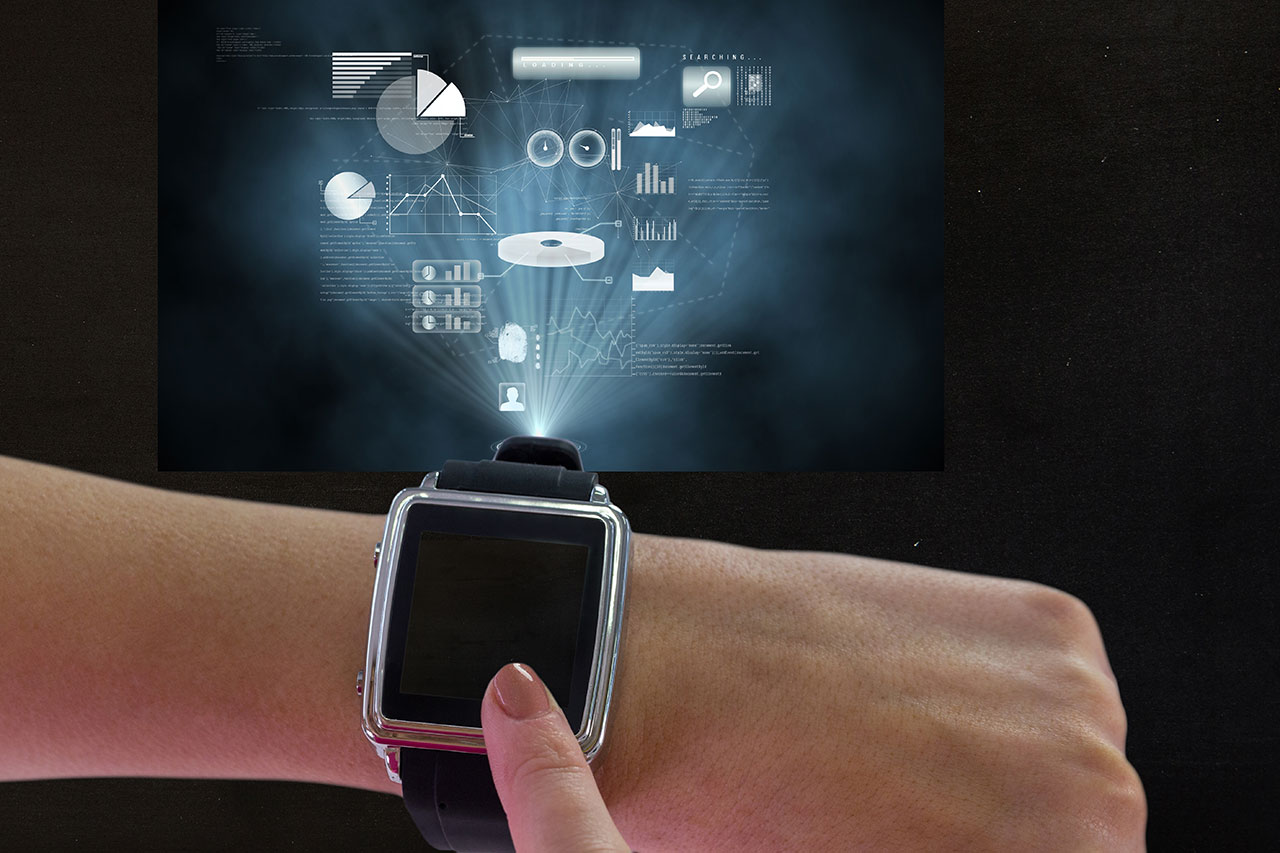
Microcontrollers and Processing Units: These tiny computers process the data collected by the sensors and transmit it to a smartphone, computer, or other device for analysis and storage.
Power Sources: Smart fabrics require a power source to operate. This can be in the form of batteries, solar cells, or energy harvesting devices that convert body heat or movement into electricity.
Communication Modules: These modules, such as Bluetooth or Wi-Fi, enable the smart fabric to communicate with other devices for data transmission and remote monitoring.
Applications of Smart Fabrics in Healthcare
Smart fabrics have a wide range of potential applications in healthcare, including:
Remote Patient Monitoring: Smart clothing can continuously monitor vital signs and other health parameters, allowing healthcare providers to remotely track patients’ conditions and detect potential problems early on. This is particularly beneficial for patients with chronic diseases, elderly individuals living at home, and those recovering from surgery.
Personalized Medicine: By continuously monitoring an individual’s physiological data, smart fabrics can provide valuable insights into their health status and response to treatment. This information can be used to personalize medication dosages, therapy plans, and lifestyle recommendations.
Early Disease Detection: Smart fabrics can be designed to detect early signs of disease by monitoring biomarkers in sweat or other bodily fluids. For example, a smart shirt could detect elevated levels of cortisol, a stress hormone, which could indicate an increased risk of cardiovascular disease.
Wound Care: Smart bandages can monitor wound healing progress by measuring temperature, pH, and other factors. They can also deliver medication directly to the wound site, promoting faster healing and reducing the risk of infection.
Rehabilitation: Smart garments can be used to track patients’ movements and provide feedback during rehabilitation exercises. This can help patients recover more quickly and effectively from injuries or surgeries.
Mental Health Monitoring: Smart fabrics can monitor physiological indicators of stress, anxiety, and depression, such as heart rate variability, skin conductance, and sleep patterns. This information can be used to provide early intervention and support for individuals struggling with mental health issues.
Benefits of Smart Fabrics over Traditional Wearable Devices
Smart fabrics offer several advantages over traditional wearable devices:
Comfort and Convenience: Smart fabrics are seamlessly integrated into clothing, making them more comfortable and convenient to wear than bulky wristbands or chest straps.
Discreetness: Smart garments can be designed to look and feel like regular clothing, allowing users to monitor their health without drawing attention to themselves.
Continuous Monitoring: Smart fabrics can continuously monitor physiological data without requiring the user to manually activate or wear a device.
Improved Data Accuracy: Smart fabrics can provide more accurate data than traditional wearable devices because they are in direct contact with the skin and less prone to movement artifacts.
Enhanced User Experience: Smart fabrics can be integrated into a variety of clothing styles and designs, making them more appealing and user-friendly.
Challenges and Future Directions
Despite their immense potential, smart fabrics still face several challenges:
Durability and Washability: Electronic components embedded in fabrics must be durable enough to withstand repeated washing and wear.
Power Consumption: Smart fabrics require a reliable and long-lasting power source.
Data Security and Privacy: Protecting the privacy and security of the data collected by smart fabrics is crucial.
Cost: The cost of manufacturing smart fabrics is currently high, which limits their widespread adoption.
Standardization and Regulation: Clear standards and regulations are needed to ensure the safety and efficacy of smart fabrics.
To overcome these challenges, researchers are working on developing:
- More durable and washable electronic components.
- More efficient and sustainable power sources, such as energy harvesting technologies.
- Advanced data encryption and security protocols.
- More cost-effective manufacturing processes.
- Standardized testing and certification procedures.
The Future of Smart Fabrics
The future of smart fabrics is bright. As technology advances and costs decrease, we can expect to see smart fabrics become increasingly prevalent in healthcare, fitness, and everyday life. Imagine a future where your clothing can monitor your health, detect early signs of disease, and even deliver medication directly to your body. This is the promise of smart fabrics – a future where technology is seamlessly integrated into our lives, helping us to live healthier, longer, and more fulfilling lives.
Specific Future Developments to Watch:
- Self-Powered Smart Fabrics: Advances in energy harvesting, such as using body heat or movement to generate electricity, will lead to self-powered smart fabrics that require no external batteries.
- AI-Powered Smart Clothing: Integration with artificial intelligence (AI) will allow smart fabrics to analyze physiological data in real-time and provide personalized insights and recommendations.
- Biometric Authentication: Smart fabrics could be used for biometric authentication, allowing users to unlock devices or access secure areas simply by wearing a garment.
- Smart Fabrics for Athletes: Enhanced performance monitoring and injury prevention through advanced sensor integration, providing real-time feedback on form, strain, and recovery.
- Personalized Thermal Regulation: Fabrics that automatically adjust to maintain optimal body temperature in varying environments.
In conclusion, smart fabrics represent a significant leap forward in wearable health technology. By seamlessly integrating electronic components into clothing, these innovative materials offer a comfortable, convenient, and discreet way to monitor physiological parameters and improve health outcomes. While challenges remain, ongoing research and development efforts are paving the way for a future where smart fabrics play a vital role in healthcare, fitness, and overall well-being. The convergence of textile engineering, electronics, and data science is poised to revolutionize how we interact with our clothing and, more importantly, how we manage our health.


Comments
Post a Comment