In the post-genomic era, biology has transformed into a data-rich science. The ability to generate vast amounts of genomic, proteomic, and other biological data has outpaced our capacity to analyze and interpret it. This is where bioinformatics steps in. Bioinformatics, an interdisciplinary field that combines biology, computer science, mathematics, and statistics, provides the tools and techniques to manage, analyze, and interpret this complex biological data, ultimately unlocking the secrets hidden within our genomes and paving the way for breakthroughs in medicine, agriculture, and environmental science.
What is Bioinformatics?
At its core, bioinformatics is about using computational methods to understand biological systems. It encompasses a wide range of activities, including:
- Data Management: Developing and maintaining databases to store and organize biological data, ensuring data integrity, accessibility, and efficient retrieval.
- Sequence Analysis: Analyzing DNA, RNA, and protein sequences to identify genes, regulatory elements, and other functional regions. This includes sequence alignment, motif discovery, and phylogenetic analysis.
- Structural Biology: Predicting and analyzing the three-dimensional structures of proteins and other biomolecules, which is crucial for understanding their function and interactions.
- Functional Genomics: Studying the functions of genes and proteins on a genome-wide scale, using techniques like microarray analysis, RNA sequencing, and proteomics.
- Systems Biology: Modeling and simulating complex biological systems, such as metabolic pathways, signaling networks, and gene regulatory networks.
- Drug Discovery: Identifying potential drug targets, designing and screening drug candidates, and predicting drug efficacy and toxicity.
The Importance of Bioinformatics
Bioinformatics plays a critical role in modern biology and has a profound impact on various fields:
- Genomics: The Human Genome Project, a landmark achievement in science, would not have been possible without bioinformatics. Bioinformatics tools were essential for assembling the human genome sequence, identifying genes, and annotating their functions. Today, bioinformatics is crucial for analyzing the genomes of other organisms, from bacteria to plants to animals, providing insights into their evolution, biology, and potential applications.
- Personalized Medicine: Bioinformatics is revolutionizing healthcare by enabling personalized medicine. By analyzing an individual’s genome, doctors can tailor treatments to their specific genetic makeup, maximizing efficacy and minimizing side effects. For example, bioinformatics can be used to identify genetic markers that predict a patient’s response to a particular drug, allowing doctors to choose the most effective treatment option.
- Drug Discovery: Bioinformatics accelerates the drug discovery process by identifying potential drug targets, designing and screening drug candidates, and predicting drug efficacy and toxicity. Bioinformatics tools can be used to analyze protein structures, identify binding sites for drugs, and simulate drug-target interactions. This can significantly reduce the time and cost of developing new drugs.
- Agriculture: Bioinformatics is transforming agriculture by enabling the development of crops that are more resistant to pests, diseases, and environmental stresses. By analyzing the genomes of crops and their pathogens, scientists can identify genes that confer resistance to these threats. This information can then be used to breed or genetically engineer crops with improved traits.
- Environmental Science: Bioinformatics is used to study the diversity and function of microbial communities in various environments, such as soil, water, and the human gut. This information can be used to understand the role of microbes in nutrient cycling, pollution remediation, and human health.
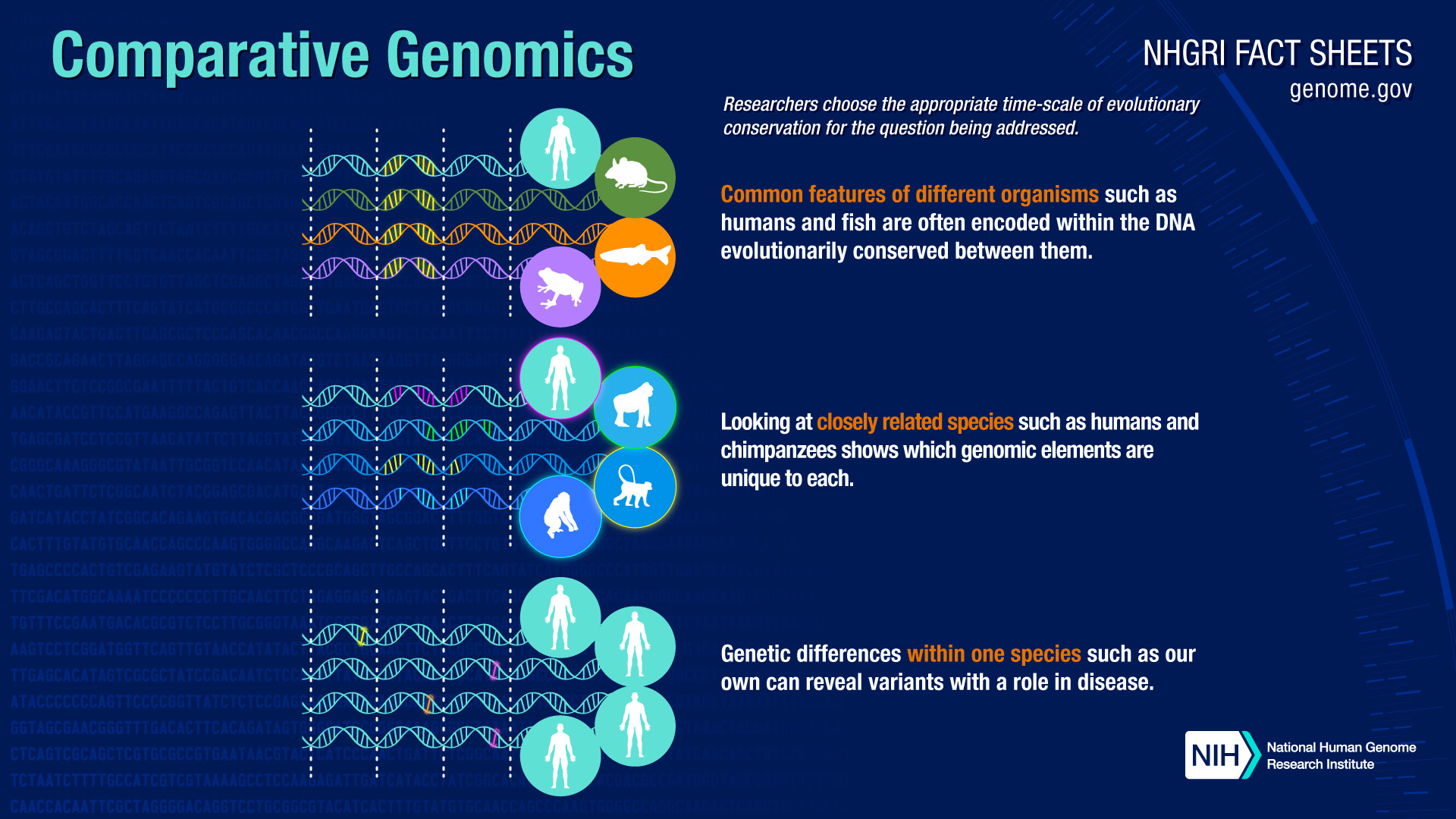
- Evolutionary Biology: Bioinformatics is a powerful tool for studying evolution. By comparing the genomes of different organisms, scientists can reconstruct their evolutionary history and identify genes that have been subject to natural selection. This can provide insights into the mechanisms of evolution and the origins of life.

Key Bioinformatics Techniques and Tools
Bioinformatics relies on a variety of computational techniques and tools to analyze biological data. Some of the most important include:
- Sequence Alignment: Aligning DNA, RNA, or protein sequences to identify regions of similarity and infer evolutionary relationships. Common algorithms include Needleman-Wunsch, Smith-Waterman, and BLAST.
- Phylogenetic Analysis: Constructing evolutionary trees to represent the relationships between different organisms or genes. Methods include maximum parsimony, maximum likelihood, and Bayesian inference.
- Genome Annotation: Identifying genes, regulatory elements, and other functional regions in a genome sequence. This involves using a combination of computational and experimental approaches.
- Microarray Analysis: Analyzing gene expression data from microarrays to identify genes that are differentially expressed under different conditions.
- RNA Sequencing: Analyzing gene expression data from RNA sequencing to quantify the abundance of different RNA transcripts.
- Proteomics: Identifying and quantifying proteins in a biological sample using techniques like mass spectrometry.
- Molecular Modeling: Creating three-dimensional models of proteins and other biomolecules to study their structure and function.
- Data Mining: Discovering patterns and relationships in large biological datasets using statistical and machine learning techniques.
- Database Management: Creating and maintaining databases to store and organize biological data. Common databases include GenBank, EMBL, and DDBJ for nucleotide sequences, UniProt for protein sequences, and PDB for protein structures.
Challenges in Bioinformatics
Despite its successes, bioinformatics faces several challenges:
- Data Volume and Complexity: The amount of biological data is growing exponentially, making it difficult to store, manage, and analyze.
- Data Integration: Biological data is often generated in different formats and using different technologies, making it difficult to integrate and analyze together.
- Algorithm Development: Developing new algorithms and tools to analyze complex biological data is a major challenge.
- Computational Resources: Analyzing large biological datasets requires significant computational resources, such as high-performance computers and large storage systems.
- Data Interpretation: Interpreting the results of bioinformatics analyses can be challenging, requiring expertise in both biology and computer science.
- Ethical Considerations: As bioinformatics becomes more powerful, it raises ethical concerns about data privacy, security, and the potential for misuse of biological information.
The Future of Bioinformatics
Bioinformatics is a rapidly evolving field with a bright future. As technology advances and the amount of biological data continues to grow, bioinformatics will play an increasingly important role in understanding life and improving human health. Some of the key trends in bioinformatics include:
- Big Data Analytics: Developing new methods for analyzing and interpreting large biological datasets.
- Artificial Intelligence and Machine Learning: Applying AI and machine learning techniques to solve biological problems, such as predicting protein structures, identifying drug targets, and diagnosing diseases.
- Cloud Computing: Using cloud computing platforms to store and analyze large biological datasets.
- Personalized Medicine: Developing personalized treatments based on an individual’s genome and other biological data.
- Synthetic Biology: Designing and building new biological systems with specific functions.
- Single-Cell Analysis: Analyzing the genomes, transcriptomes, and proteomes of individual cells to understand cellular heterogeneity and function.
- Multi-Omics Integration: Integrating data from multiple omics platforms, such as genomics, transcriptomics, proteomics, and metabolomics, to gain a more comprehensive understanding of biological systems.
Conclusion
Bioinformatics is an essential tool for unlocking the secrets hidden within genomic data. By combining biology, computer science, mathematics, and statistics, bioinformatics provides the tools and techniques to manage, analyze, and interpret complex biological data. It has revolutionized various fields, including genomics, personalized medicine, drug discovery, agriculture, and environmental science. As technology advances and the amount of biological data continues to grow, bioinformatics will play an increasingly important role in understanding life and improving human health. The future of bioinformatics is bright, with exciting opportunities in big data analytics, artificial intelligence, cloud computing, personalized medicine, and synthetic biology.
Hopefully, this article provides a comprehensive overview of bioinformatics and its significance. Let me know if you’d like any adjustments or further refinements!


Comments
Post a Comment