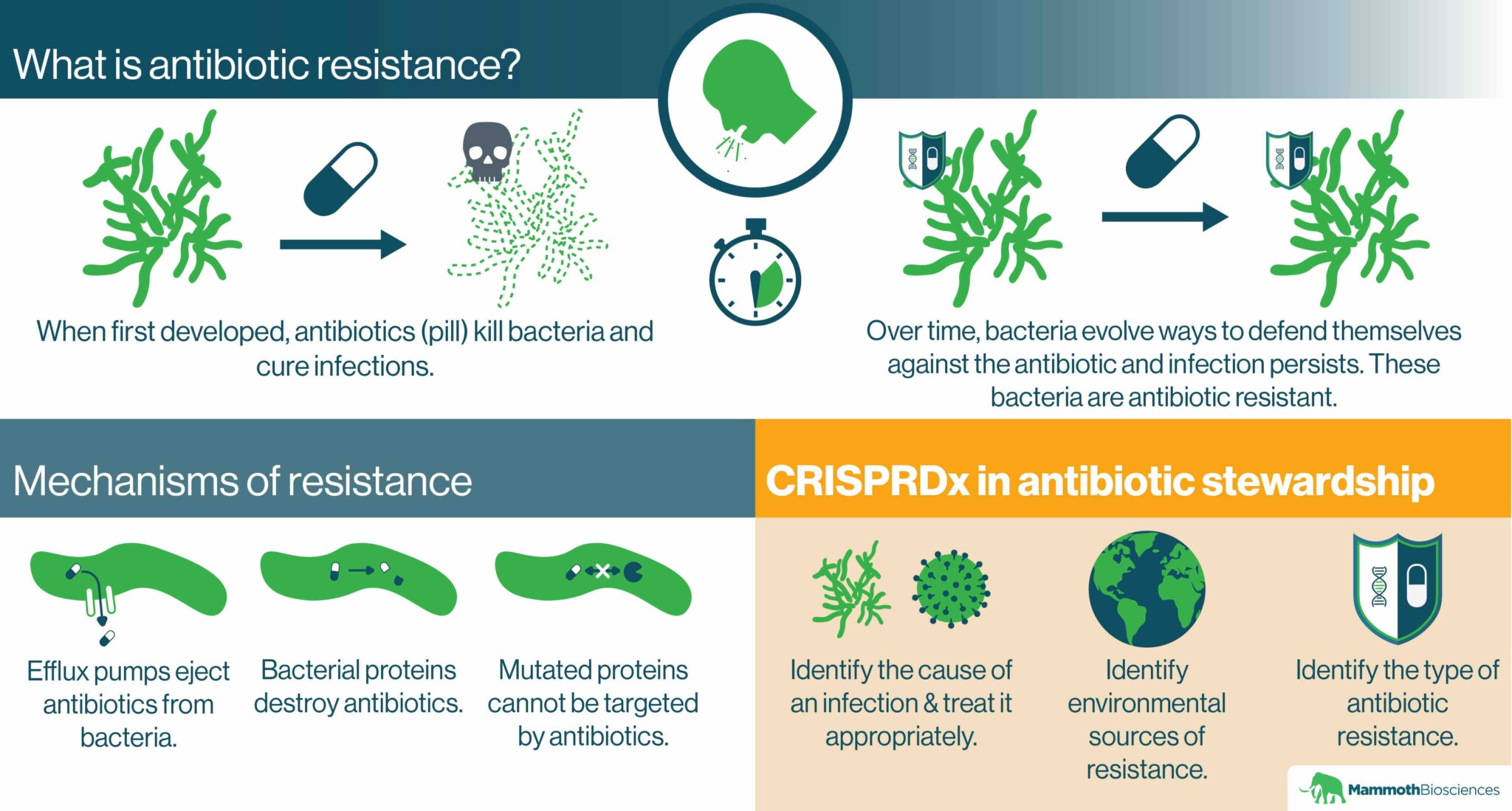
Antibiotic resistance (AR) has emerged as one of the most pressing global health threats of the 21st century. The overuse and misuse of antibiotics in human medicine, agriculture, and animal husbandry have accelerated the evolution of resistant bacteria, rendering many life-saving drugs ineffective. As a result, infections that were once easily treatable are now becoming increasingly difficult to manage, leading to prolonged illness, increased healthcare costs, and higher mortality rates.
The scale and complexity of the AR crisis demand innovative solutions, and technology is playing an increasingly vital role in the fight against resistant bacteria. From advanced diagnostics and drug discovery platforms to data analytics and infection control systems, technology offers a multifaceted approach to tackling AR.
1. Rapid and Accurate Diagnostics: The Foundation of Effective Treatment
One of the most critical challenges in combating AR is the timely and accurate identification of resistant bacteria. Traditional culture-based methods for identifying pathogens and determining their antibiotic susceptibility can take several days, delaying appropriate treatment and potentially leading to the unnecessary use of broad-spectrum antibiotics.
Technological advancements in diagnostics are revolutionizing the way infections are diagnosed and managed. Molecular diagnostics, such as polymerase chain reaction (PCR) and next-generation sequencing (NGS), enable rapid and highly sensitive detection of bacterial pathogens and resistance genes directly from patient samples. These techniques can identify resistant strains within hours, allowing clinicians to tailor antibiotic therapy to the specific infection and avoid the use of ineffective drugs.
PCR-based assays: PCR assays amplify specific DNA sequences from bacterial pathogens, allowing for rapid detection and identification. Multiplex PCR assays can simultaneously detect multiple pathogens and resistance genes, providing comprehensive information for guiding treatment decisions.
Next-generation sequencing (NGS): NGS technologies enable the rapid sequencing of entire bacterial genomes, providing detailed information about the pathogen’s identity, resistance mechanisms, and evolutionary history. NGS can also be used to identify novel resistance genes and track the spread of resistant strains.
Point-of-care (POC) diagnostics: POC diagnostics are portable and easy-to-use devices that can be used at the patient’s bedside or in remote settings. These devices can provide rapid results, enabling timely treatment decisions and reducing the need for laboratory testing.
2. Accelerating Drug Discovery: Finding New Weapons Against Resistance
The development of new antibiotics has lagged behind the emergence of resistant bacteria, creating a critical need for novel antimicrobial agents. Traditional drug discovery methods are often slow, expensive, and inefficient. Technology is accelerating the drug discovery process by enabling high-throughput screening, computer-aided drug design, and the exploration of unconventional sources of antimicrobials.

High-throughput screening (HTS): HTS platforms allow researchers to screen large libraries of chemical compounds for antimicrobial activity. Automated systems and robotic technologies enable the rapid testing of thousands of compounds against bacterial pathogens, identifying potential drug candidates.
Computer-aided drug design (CADD): CADD uses computational methods to design and optimize new drugs. By modeling the structure of bacterial proteins and enzymes, researchers can identify compounds that bind to these targets and inhibit their function. CADD can accelerate the drug discovery process by reducing the number of compounds that need to be synthesized and tested.
Unconventional sources of antimicrobials: Researchers are exploring unconventional sources of antimicrobials, such as bacteriophages (viruses that infect bacteria), antimicrobial peptides, and natural products. Technology is playing a key role in identifying, characterizing, and developing these novel antimicrobial agents.
3. Data Analytics and Surveillance: Tracking and Predicting Resistance
The spread of AR is a complex phenomenon influenced by a variety of factors, including antibiotic use, infection control practices, and international travel. Data analytics and surveillance systems are essential for tracking the emergence and spread of resistant bacteria, identifying risk factors, and implementing targeted interventions.
Antimicrobial surveillance systems: Antimicrobial surveillance systems collect and analyze data on antibiotic use and resistance patterns in healthcare settings and communities. These systems can identify trends in antibiotic resistance, detect outbreaks of resistant infections, and monitor the impact of interventions to reduce antibiotic use.
Genomic surveillance: Genomic surveillance uses NGS to track the spread of resistant bacteria at the genomic level. By analyzing the DNA sequences of bacterial pathogens, researchers can identify the origins of resistant strains, track their transmission pathways, and monitor the evolution of resistance genes.
Predictive modeling: Predictive modeling uses statistical and machine learning techniques to predict the future spread of antibiotic resistance. These models can identify areas at high risk for AR, forecast the impact of interventions, and guide resource allocation.
4. Infection Control and Prevention: Minimizing the Spread of Resistance
Effective infection control and prevention practices are essential for minimizing the spread of resistant bacteria in healthcare settings and communities. Technology is enhancing infection control efforts by improving hand hygiene compliance, automating environmental disinfection, and facilitating rapid communication and data sharing.
Electronic hand hygiene monitoring systems: Electronic hand hygiene monitoring systems use sensors and wearable devices to track hand hygiene compliance among healthcare workers. These systems can provide real-time feedback to healthcare workers, identify areas where hand hygiene practices need to be improved, and monitor the effectiveness of hand hygiene interventions.
Automated environmental disinfection: Automated environmental disinfection systems use ultraviolet (UV) light or hydrogen peroxide vapor to disinfect surfaces in healthcare settings. These systems can reduce the burden on cleaning staff and improve the effectiveness of environmental disinfection, minimizing the spread of resistant bacteria.
Telemedicine and remote monitoring: Telemedicine and remote monitoring technologies can be used to provide care to patients in their homes, reducing the need for hospital visits and minimizing the risk of exposure to resistant bacteria. These technologies can also be used to monitor patients with chronic infections, ensuring that they receive appropriate treatment and preventing the development of resistance.
5. Artificial Intelligence and Machine Learning: Transforming the Fight Against AR
Artificial intelligence (AI) and machine learning (ML) are rapidly transforming many areas of healthcare, and they hold great promise for combating AR. AI and ML can be used to analyze large datasets, identify patterns, and make predictions that can improve antibiotic stewardship, infection control, and drug discovery.
Antibiotic stewardship: AI and ML can be used to analyze patient data and identify opportunities to optimize antibiotic use. These technologies can help clinicians select the most appropriate antibiotic for a given infection, determine the optimal dose and duration of treatment, and monitor patients for adverse effects.
Infection control: AI and ML can be used to analyze data on infection rates, antibiotic use, and patient characteristics to identify risk factors for healthcare-associated infections. These technologies can help hospitals implement targeted interventions to prevent the spread of resistant bacteria.
Drug discovery: AI and ML can be used to accelerate the drug discovery process by identifying potential drug candidates, predicting their efficacy and toxicity, and optimizing their structure. These technologies can also be used to identify new targets for antimicrobial drugs.
Challenges and Future Directions
While technology offers tremendous potential for combating AR, there are also several challenges that need to be addressed. These challenges include:
- Cost: Many of the technologies discussed above are expensive, which can limit their accessibility in resource-limited settings.
- Data privacy: The use of patient data for surveillance and research raises concerns about data privacy and security.
- Regulatory hurdles: The development and approval of new diagnostic tests and antimicrobial agents can be a lengthy and complex process.
- Integration: Integrating new technologies into existing healthcare systems can be challenging.
To overcome these challenges, it is essential to:
- Invest in research and development: Continued investment in research and development is needed to develop new and innovative technologies for combating AR.
- Promote collaboration: Collaboration between researchers, clinicians, policymakers, and industry is essential for accelerating the development and implementation of new technologies.
- Address regulatory barriers: Streamlining the regulatory process for new diagnostic tests and antimicrobial agents can help to get these technologies to patients more quickly.
- Ensure equitable access: Efforts are needed to ensure that all countries have access to the technologies needed to combat AR.
Conclusion
Antibiotic resistance is a complex and multifaceted problem that requires a comprehensive approach. Technology is playing an increasingly vital role in the fight against resistant bacteria, offering innovative solutions for rapid diagnostics, drug discovery, data analytics, infection control, and antibiotic stewardship. By embracing these technological advancements and addressing the challenges associated with their implementation, we can make significant progress in combating AR and protecting public health. The integration of these technologies, coupled with responsible antibiotic use and robust infection control practices, is crucial for safeguarding the effectiveness of antibiotics for future generations.


Comments
Post a Comment