Sleep, a fundamental human need often relegated to the bottom of our to-do lists, is a complex and vital biological process. It’s not merely a period of inactivity, but rather a dynamic state where our bodies and minds undergo essential repair, consolidation, and rejuvenation. Understanding the science of sleep and prioritizing its importance is crucial for overall health and well-being.
The Architecture of Sleep: Stages and Cycles
Sleep doesn’t occur in a uniform state. Instead, it unfolds in distinct stages, forming cycles that repeat throughout the night. These stages are broadly categorized into:
Non-Rapid Eye Movement (NREM) Sleep: This comprises three stages:
- NREM Stage 1: A transitional phase between wakefulness and sleep. It’s characterized by light sleep, muscle relaxation, and a slowing of heart rate and breathing.
- NREM Stage 2: A deeper sleep stage where body temperature drops and brain waves become slower, with occasional bursts of rapid activity called sleep spindles.
- NREM Stage 3 (Slow-Wave Sleep): The deepest and most restorative stage of sleep. Brain waves are slow and large (delta waves), making it difficult to be awakened. This stage is crucial for physical recovery, immune function, and memory consolidation.
Rapid Eye Movement (REM) Sleep: This stage is characterized by rapid eye movements, increased brain activity (similar to wakefulness), and muscle paralysis. REM sleep is associated with vivid dreaming, emotional processing, and cognitive function.

A typical sleep cycle lasts about 90-120 minutes, and individuals usually go through 4-6 cycles per night. The proportion of time spent in each stage changes as the night progresses, with more slow-wave sleep occurring in the first half and more REM sleep in the second half.
The Brain’s Orchestration of Sleep
Sleep is regulated by a complex interplay of brain structures, neurotransmitters, and hormones. Key players include:
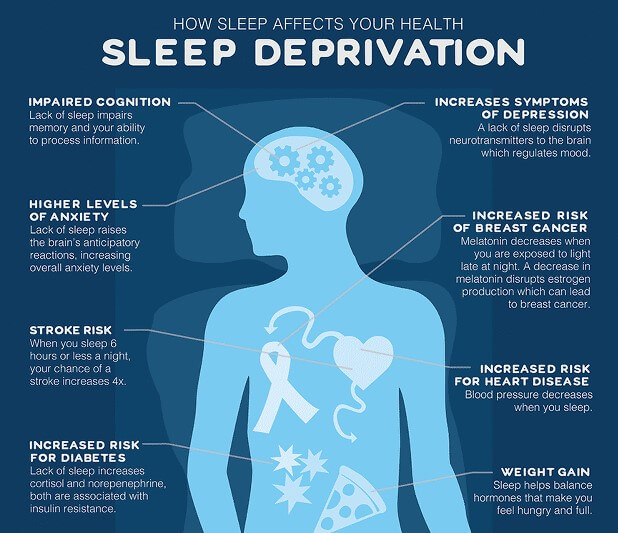
The Health Consequences of Sleep Deprivation
Chronic sleep deprivation has far-reaching consequences for physical and mental health:
- Cognitive Impairment: Sleep deprivation impairs attention, concentration, memory, problem-solving, and decision-making. It can lead to decreased productivity, increased errors, and a higher risk of accidents.
- Mood Disorders: Lack of sleep is strongly linked to mood disorders such as depression, anxiety, and irritability. It can exacerbate existing mental health conditions and make it more difficult to cope with stress.
- Weakened Immune System: Sleep is essential for immune function. Sleep deprivation suppresses the immune system, making individuals more susceptible to infections and illnesses.
- Cardiovascular Problems: Chronic sleep deprivation increases the risk of high blood pressure, heart disease, stroke, and irregular heartbeats.
- Metabolic Dysfunction: Sleep deprivation disrupts glucose metabolism, leading to insulin resistance and an increased risk of type 2 diabetes. It also affects hormones that regulate appetite, potentially contributing to weight gain and obesity.
- Hormonal Imbalances: Sleep deprivation can disrupt the production of hormones such as cortisol (stress hormone), growth hormone (essential for tissue repair), and leptin and ghrelin (appetite-regulating hormones).
- Increased Pain Sensitivity: Lack of sleep can lower pain tolerance and exacerbate chronic pain conditions.
- Reduced Physical Performance: Sleep deprivation impairs muscle strength, endurance, and coordination, affecting athletic performance and increasing the risk of injuries.
- Increased Risk of Accidents: Sleepiness is a major cause of car accidents and workplace injuries.
The Benefits of Prioritizing Sleep
Getting adequate sleep offers numerous benefits for physical and mental health:
- Improved Cognitive Function: Sufficient sleep enhances attention, concentration, memory, learning, and problem-solving skills.
- Enhanced Mood and Emotional Well-being: Adequate sleep promotes emotional stability, reduces irritability, and improves resilience to stress.
- Stronger Immune System: Sleep strengthens the immune system, making individuals more resistant to infections and illnesses.
- Cardiovascular Health: Getting enough sleep helps regulate blood pressure, reduces the risk of heart disease and stroke, and improves overall cardiovascular function.
- Metabolic Health: Sufficient sleep improves glucose metabolism, reduces insulin resistance, and helps maintain a healthy weight.
- Hormonal Balance: Adequate sleep helps regulate hormone production, including cortisol, growth hormone, and appetite-regulating hormones.
- Pain Management: Getting enough sleep can increase pain tolerance and improve the management of chronic pain conditions.
- Improved Physical Performance: Sufficient sleep enhances muscle strength, endurance, coordination, and athletic performance.
- Reduced Risk of Accidents: Being well-rested reduces the risk of accidents and injuries.
Strategies for Improving Sleep Hygiene
Improving sleep hygiene involves adopting habits and practices that promote healthy sleep:
- Establish a Regular Sleep Schedule: Go to bed and wake up at the same time every day, even on weekends, to regulate your body’s natural sleep-wake cycle.
- Create a Relaxing Bedtime Routine: Engage in calming activities before bed, such as taking a warm bath, reading a book, listening to soothing music, or practicing relaxation techniques.
- Optimize Your Sleep Environment: Make sure your bedroom is dark, quiet, and cool. Use blackout curtains, earplugs, or a white noise machine if needed.
- Limit Exposure to Blue Light: Avoid using electronic devices (smartphones, tablets, computers) for at least an hour before bed, as the blue light emitted from these devices can interfere with melatonin production.
- Avoid Caffeine and Alcohol Before Bed: Caffeine and alcohol can disrupt sleep patterns and make it difficult to fall asleep or stay asleep.
- Exercise Regularly: Regular physical activity can improve sleep quality, but avoid exercising too close to bedtime.
- Manage Stress: Practice stress-reduction techniques such as meditation, yoga, or deep breathing exercises.
- Consider a Sleep Aid: If you have trouble falling asleep or staying asleep, talk to your doctor about over-the-counter or prescription sleep aids.
Conclusion
Sleep is not a luxury, but a fundamental necessity for optimal health and well-being. Understanding the science of sleep and prioritizing its importance is crucial for cognitive function, mood regulation, immune function, cardiovascular health, metabolic health, and overall quality of life. By adopting healthy sleep habits and addressing any underlying sleep disorders, individuals can unlock the transformative power of sleep and reap its numerous benefits. If you’re consistently struggling with sleep, consulting a healthcare professional or sleep specialist is recommended to identify and address any underlying issues.



Comments
Post a Comment