Chronic illnesses, such as diabetes, heart disease, asthma, arthritis, and mental health disorders, pose a significant and growing challenge to healthcare systems worldwide. These conditions are characterized by their long duration, slow progression, and often require ongoing medical attention. Managing chronic illnesses effectively involves a multi-faceted approach, including medication, lifestyle modifications, regular monitoring, and patient education. In recent years, technology has emerged as a powerful tool in revolutionizing chronic disease management, offering innovative solutions to improve patient outcomes, enhance quality of life, and reduce healthcare costs.
The Rise of Digital Health
The convergence of healthcare and technology has given rise to a new era of "digital health." Digital health encompasses a wide range of technologies and applications that leverage digital platforms to deliver healthcare services, improve patient engagement, and enhance clinical decision-making. These technologies include:
- Mobile Health (mHealth): Mobile apps and wearable devices that enable patients to track their health metrics, receive personalized feedback, and communicate with healthcare providers.
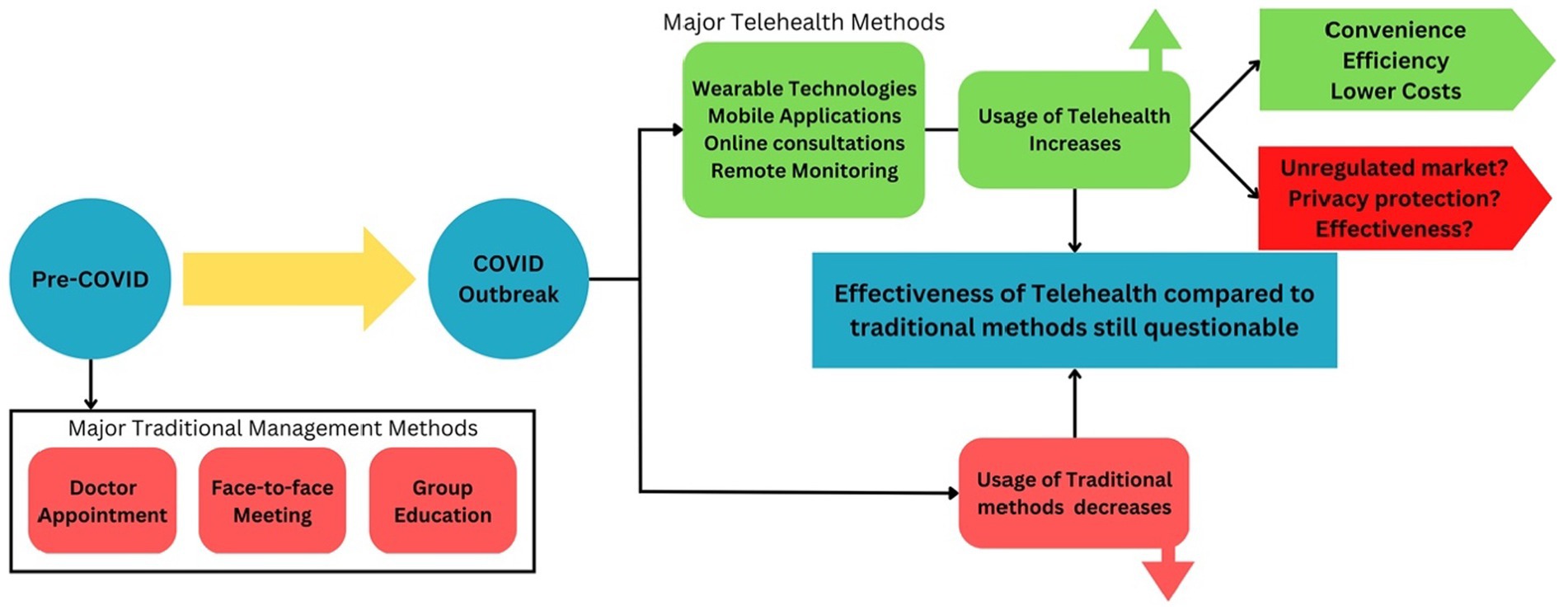
- Telehealth: Remote consultations and monitoring using video conferencing, phone calls, and other communication technologies.
- Electronic Health Records (EHRs): Digital repositories of patient medical information that can be accessed by authorized healthcare professionals.
- Remote Patient Monitoring (RPM): Devices and systems that allow healthcare providers to remotely monitor patients’ vital signs and other health data.
- Artificial Intelligence (AI): AI algorithms that can analyze large datasets to identify patterns, predict health risks, and personalize treatment plans.
How Technology is Transforming Chronic Disease Management
Technology is transforming chronic disease management in several key ways:
1. Improved Patient Engagement and Adherence
One of the biggest challenges in managing chronic illnesses is patient adherence to treatment plans. Technology can play a crucial role in improving patient engagement and adherence by:

- Providing Personalized Education: Mobile apps and online platforms can deliver tailored educational content to patients based on their specific condition, treatment plan, and health goals.
- Sending Reminders and Notifications: Apps can send reminders to patients to take their medications, attend appointments, and engage in healthy behaviors.
- Tracking Progress and Providing Feedback: Wearable devices and apps can track patients’ activity levels, sleep patterns, and other health metrics, providing them with real-time feedback and motivation.
- Facilitating Peer Support: Online communities and social media platforms can connect patients with others who have similar conditions, providing them with emotional support and a sense of belonging.
2. Enhanced Monitoring and Early Detection
Remote patient monitoring (RPM) technologies enable healthcare providers to remotely monitor patients’ vital signs, symptoms, and other health data. This allows for early detection of potential problems and timely intervention, preventing complications and hospitalizations.
- Wearable Sensors: Wearable devices, such as smartwatches and fitness trackers, can continuously monitor heart rate, blood pressure, blood glucose levels, and other vital signs.
- Home Monitoring Devices: Home-based devices, such as blood pressure cuffs, blood glucose meters, and pulse oximeters, allow patients to regularly monitor their health metrics and transmit the data to their healthcare providers.
- Smart Pillboxes: Smart pillboxes can track medication adherence and send alerts to patients and caregivers when medications are missed.
3. Better Communication and Collaboration
Technology facilitates seamless communication and collaboration between patients, healthcare providers, and caregivers.
- Telehealth Consultations: Telehealth allows patients to consult with their healthcare providers remotely, saving time and travel costs.
- Secure Messaging: Secure messaging platforms enable patients to communicate with their healthcare providers asynchronously, asking questions, sharing updates, and receiving advice.
- Shared Decision-Making: Technology can empower patients to actively participate in their care by providing them with access to their medical records, treatment options, and decision support tools.
4. Personalized Treatment Plans
Artificial intelligence (AI) and machine learning algorithms can analyze large datasets of patient data to identify patterns, predict health risks, and personalize treatment plans.
- Predictive Analytics: AI can predict which patients are at high risk of developing complications or experiencing adverse events.
- Personalized Medication Management: AI can help optimize medication dosages and identify potential drug interactions.
- Behavioral Interventions: AI can deliver personalized behavioral interventions to help patients adopt healthy habits.
5. Improved Access to Care
Technology can improve access to care for patients who live in remote areas, have limited mobility, or face other barriers to accessing traditional healthcare services.
- Telehealth: Telehealth can provide access to specialists and other healthcare providers who may not be available locally.
- Mobile Health Clinics: Mobile health clinics can bring healthcare services to underserved communities.
- Online Pharmacies: Online pharmacies can deliver medications directly to patients’ homes.
Examples of Technology in Action
- Diabetes Management: Continuous glucose monitors (CGMs) and insulin pumps can automatically adjust insulin dosages based on real-time glucose levels. Mobile apps can track food intake, activity levels, and blood glucose readings, providing patients with personalized feedback and guidance.
- Heart Disease Management: Wearable devices can monitor heart rate and rhythm, detecting potential arrhythmias. Telehealth can be used for remote cardiac rehabilitation programs.
- Asthma Management: Smart inhalers can track medication usage and environmental triggers, helping patients better manage their asthma. Mobile apps can provide personalized asthma action plans and educational resources.
- Mental Health Management: Teletherapy can provide access to mental health professionals remotely. Mobile apps can track mood, sleep, and other mental health indicators, providing patients with personalized coping strategies.
Challenges and Considerations
While technology holds immense promise for chronic disease management, there are also challenges and considerations that need to be addressed:
- Data Privacy and Security: Protecting patient data privacy and security is paramount. Healthcare organizations must implement robust security measures to prevent data breaches and unauthorized access.
- Digital Literacy: Not all patients have the skills and resources to use digital health technologies effectively. Healthcare providers need to provide training and support to ensure that all patients can benefit from these technologies.
- Equity and Access: It is important to ensure that digital health technologies are accessible to all patients, regardless of their socioeconomic status, race, ethnicity, or geographic location.
- Integration with Existing Systems: Digital health technologies need to be seamlessly integrated with existing healthcare systems to ensure that data is shared effectively and that clinical workflows are not disrupted.
- Regulatory and Reimbursement Issues: Regulatory and reimbursement policies need to be updated to reflect the changing landscape of healthcare and to encourage the adoption of digital health technologies.
The Future of Technology in Chronic Disease Management
The future of technology in chronic disease management is bright. As technology continues to evolve, we can expect to see even more innovative solutions that will further improve patient outcomes, enhance quality of life, and reduce healthcare costs. Some of the key trends to watch include:
- Personalized Medicine: Advances in genomics and proteomics will enable healthcare providers to tailor treatment plans to individual patients based on their unique genetic makeup.
- Artificial Intelligence: AI will play an increasingly important role in predicting health risks, personalizing treatment plans, and automating administrative tasks.
- Virtual Reality: Virtual reality (VR) can be used to provide immersive experiences that help patients manage pain, anxiety, and other symptoms.
- The Internet of Things (IoT): The IoT will connect a wide range of devices and sensors, providing healthcare providers with real-time data on patients’ health status.
Conclusion
Technology is revolutionizing chronic disease management, empowering patients to take control of their health and transforming the way healthcare is delivered. By improving patient engagement, enhancing monitoring, facilitating communication, personalizing treatment plans, and improving access to care, technology is helping to improve patient outcomes, enhance quality of life, and reduce healthcare costs. As technology continues to evolve, we can expect to see even more innovative solutions that will further transform chronic disease management and improve the health and well-being of millions of people around the world.


Comments
Post a Comment