In an era defined by unprecedented technological advancements and pressing global challenges, the scientific community is increasingly recognizing the invaluable contribution of citizen science. Citizen science, the involvement of the public in scientific research, is revolutionizing the way research is conducted, knowledge is generated, and solutions are developed. By harnessing the collective intelligence, enthusiasm, and resources of ordinary individuals, citizen science projects are expanding the scope and scale of scientific inquiry, while also fostering scientific literacy and community engagement.
Defining Citizen Science
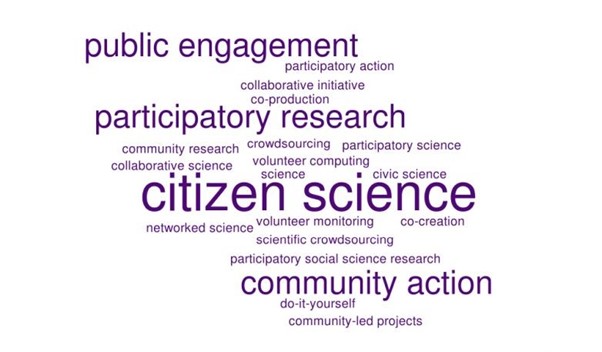
Citizen science, also known as participatory science, crowdsourced science, or volunteer monitoring, encompasses a wide range of activities where non-professional scientists collaborate with professional scientists to address real-world problems. The involvement of citizen scientists can vary from data collection and analysis to experimental design and interpretation of results. The common thread that unites all citizen science initiatives is the shared goal of advancing scientific knowledge and addressing societal needs.
Historical Roots
While the term "citizen science" is relatively new, the practice of engaging the public in scientific endeavors has a long history. Some notable examples include:
- Audubon Society Bird Counts (Late 19th Century): Early bird counts organized by the Audubon Society involved volunteers in monitoring bird populations, providing valuable data for conservation efforts.
- Christmas Bird Count (1900): Initiated by ornithologist Frank Chapman, this annual event engages thousands of volunteers to count bird species across North America, providing long-term data on bird distribution and population trends.
- Galaxy Zoo (2007): An online project that invited volunteers to classify galaxies based on images from the Sloan Digital Sky Survey, enabling researchers to analyze vast amounts of astronomical data.
These early examples demonstrate the power of citizen involvement in scientific research, laying the foundation for the modern citizen science movement.
Benefits of Citizen Science
Citizen science offers a multitude of benefits to both the scientific community and the public:
- Increased Data Collection: Citizen scientists can collect data on a scale that would be impossible for professional scientists alone. This is particularly valuable for projects that require widespread geographic coverage or long-term monitoring.
- Expanded Research Scope: Citizen science allows researchers to tackle complex problems that require diverse perspectives and expertise. By engaging individuals from different backgrounds and disciplines, citizen science can lead to innovative solutions.
- Cost-Effectiveness: Citizen science can significantly reduce the costs associated with data collection and analysis. Volunteers contribute their time and resources, allowing researchers to focus on other aspects of the project.
- Enhanced Scientific Literacy: Participation in citizen science projects increases public understanding of science and the scientific process. Citizen scientists learn about research methods, data analysis, and the importance of evidence-based decision-making.
- Community Engagement: Citizen science fosters a sense of community and shared purpose. Participants connect with like-minded individuals, contribute to their local communities, and make a tangible difference in the world.
- Improved Data Quality: When properly trained and supported, citizen scientists can collect high-quality data that is comparable to that collected by professional scientists. Rigorous quality control measures, such as standardized protocols and data validation, are essential for ensuring data accuracy.

- Accelerated Discovery: By harnessing the collective intelligence of citizen scientists, research projects can accelerate the pace of discovery. Large-scale data analysis and pattern recognition can be achieved more quickly and efficiently with the help of volunteers.
- Democratization of Science: Citizen science promotes inclusivity and accessibility in scientific research. It provides opportunities for individuals from all backgrounds to participate in the scientific process, regardless of their formal education or training.
Challenges of Citizen Science
While citizen science offers numerous benefits, it also presents certain challenges that must be addressed to ensure project success:
- Data Quality Control: Ensuring the accuracy and reliability of data collected by citizen scientists is crucial. Standardized protocols, training programs, and data validation procedures are essential for maintaining data quality.
- Participant Motivation and Retention: Maintaining participant engagement and motivation can be challenging, especially for long-term projects. Clear communication, recognition of contributions, and opportunities for meaningful participation are important for retaining volunteers.
- Data Management and Analysis: Managing and analyzing large datasets collected by citizen scientists can be complex. Researchers need to develop efficient data management systems and analytical tools to handle the volume and variety of data.
- Ethical Considerations: Citizen science projects must adhere to ethical guidelines and ensure the privacy and safety of participants. Informed consent, data security, and responsible data sharing are important ethical considerations.
- Communication and Outreach: Effective communication and outreach are essential for recruiting and engaging citizen scientists. Clear project goals, accessible training materials, and regular updates are important for fostering participation and collaboration.
- Bias: Participants may have preconceived notions about a research topic, which can affect the data they collect.
Examples of Citizen Science Projects
Citizen science projects span a wide range of disciplines and address diverse research questions. Here are a few notable examples:
- iNaturalist: A platform where citizen scientists can record observations of plants and animals, contributing to biodiversity research and conservation efforts.
- Zooniverse: A collection of online projects that invite volunteers to classify images, transcribe historical documents, and analyze data from various scientific fields.
- Globe at Night: A project that encourages citizen scientists to measure light pollution by observing stars and reporting their findings.
- Foldit: A game that challenges players to fold proteins, contributing to research on protein structure and drug discovery.
- eBird: A project that collects bird observations from citizen scientists, providing valuable data for monitoring bird populations and distributions.
- Project BudBurst: A project where participants observe and record the timing of plant life cycle events, such as leafing and flowering, to track the effects of climate change on plant phenology.
- Stall Catchers: This project focuses on Alzheimer’s disease, tasking participants with identifying stalled blood vessels in the brain. This helps researchers understand blood flow issues related to the disease.
The Future of Citizen Science
Citizen science is poised to play an increasingly important role in modern research. As technology continues to advance and public awareness of science grows, citizen science projects are becoming more sophisticated and impactful. Some emerging trends in citizen science include:
- Mobile Technology: The use of smartphones and mobile apps is expanding the reach and accessibility of citizen science. Mobile devices enable citizen scientists to collect data in the field, upload observations in real-time, and access project information on the go.
- Data Visualization: Interactive data visualizations are making it easier for citizen scientists to explore and analyze data. Visualizations can help participants identify patterns, trends, and anomalies in the data, enhancing their understanding of the research findings.
- Artificial Intelligence (AI): AI and machine learning algorithms are being used to automate data analysis and improve the efficiency of citizen science projects. AI can help identify and validate data, detect errors, and extract meaningful insights from large datasets.
- Gamification: Gamification techniques, such as points, badges, and leaderboards, are being used to increase participant engagement and motivation. Gamified citizen science projects can make data collection and analysis more fun and rewarding.
- Global Collaboration: Citizen science is becoming increasingly global, with projects involving participants from around the world. Global citizen science initiatives can address pressing global challenges, such as climate change, biodiversity loss, and public health crises.
Conclusion
Citizen science is a powerful tool for advancing scientific knowledge, fostering scientific literacy, and engaging communities in research. By harnessing the collective intelligence and resources of ordinary individuals, citizen science projects are expanding the scope and scale of scientific inquiry, while also addressing pressing societal needs. As technology continues to evolve and public awareness of science grows, citizen science is poised to play an increasingly important role in shaping the future of research. By embracing the principles of collaboration, inclusivity, and transparency, citizen science can empower individuals to become active participants in the scientific process and contribute to a more sustainable and equitable world.


Comments
Post a Comment