Social media has become an indispensable part of modern life, connecting billions of people worldwide. Behind the seamless experiences and personalized content lies a complex network of algorithms that curate and deliver information. These algorithms are not merely technical tools; they are powerful psychological manipulators that influence our thoughts, emotions, and behaviors. Understanding the psychology behind social media algorithms is crucial for navigating the digital landscape responsibly and maintaining our well-being.
How Social Media Algorithms Work
Social media algorithms are sets of rules and calculations that determine which content users see on their feeds and in what order. These algorithms analyze various factors, including:
- User Behavior: Past interactions, such as likes, comments, shares, and time spent viewing content.
- Content Characteristics: Relevance, popularity, and type of content (e.g., images, videos, text).
- Social Connections: Interactions with friends, family, and influencers.
- Timeliness: How recently the content was posted.
Based on these factors, the algorithm predicts the likelihood of a user engaging with a particular piece of content and prioritizes it accordingly. The primary goal of these algorithms is to keep users engaged and on the platform for as long as possible, as this maximizes advertising revenue and data collection.
Psychological Principles at Play
Several psychological principles underpin the effectiveness of social media algorithms:
- Confirmation Bias: Algorithms are designed to reinforce existing beliefs and preferences. By showing users content that aligns with their views, they create an echo chamber where opposing perspectives are minimized. This can lead to polarization and the reinforcement of harmful ideologies.
- Novelty and Surprise: The human brain is wired to pay attention to novelty and surprise. Algorithms introduce unexpected content to capture attention and keep users scrolling. This can lead to a dopamine rush, making social media highly addictive.
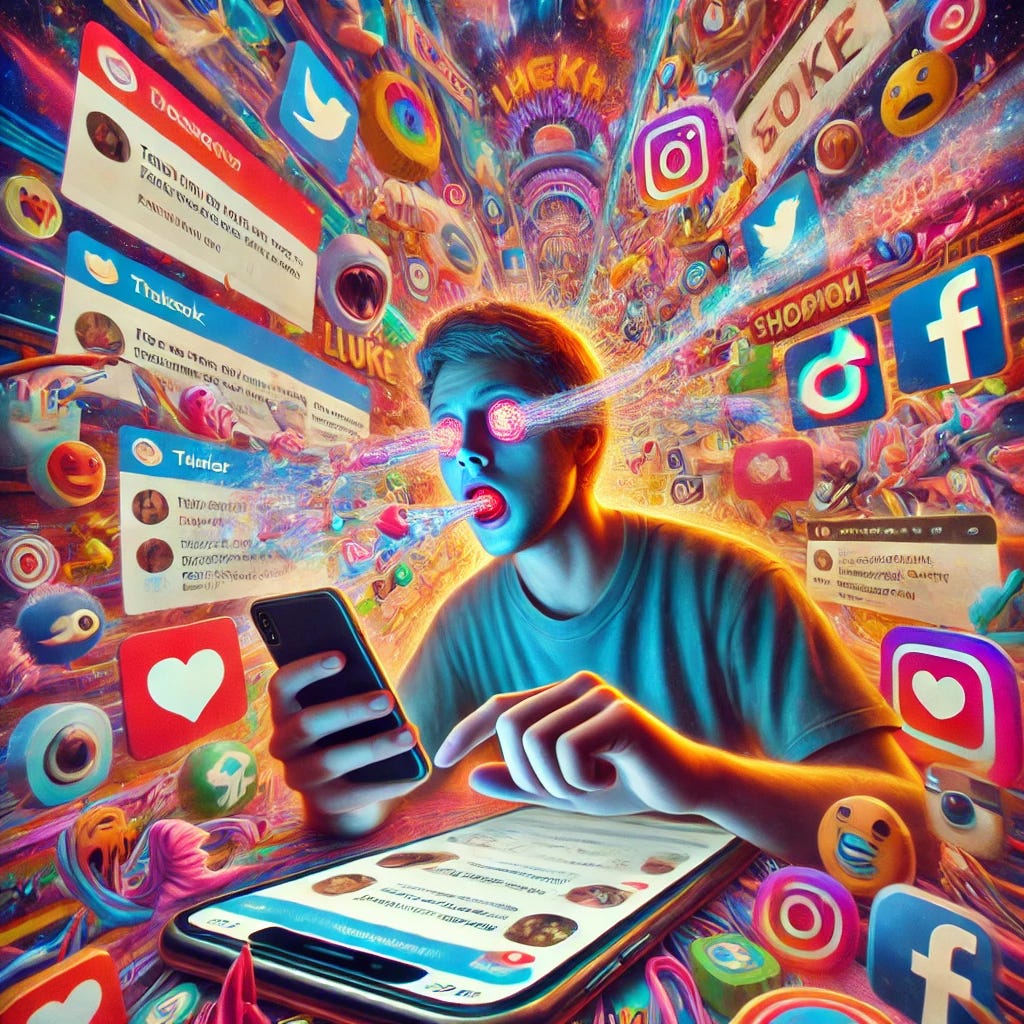
- Social Comparison: Social media platforms encourage users to compare themselves to others. Algorithms amplify this tendency by showcasing curated and often unrealistic portrayals of success and happiness. This can lead to feelings of inadequacy, envy, and low self-esteem.
- Fear of Missing Out (FOMO): The constant stream of updates and notifications creates a sense of urgency and the fear of missing out on important information or experiences. Algorithms exploit this fear by highlighting popular content and events, encouraging users to stay connected and engaged.
- Reciprocity: When users receive likes, comments, or shares, they feel obligated to reciprocate. Algorithms leverage this principle by making it easy to engage with content and providing social validation, encouraging users to contribute and stay active.
- Variable Rewards: Social media platforms use variable rewards to keep users engaged. Likes, comments, and shares are unpredictable, creating a sense of anticipation and excitement. This intermittent reinforcement schedule is highly effective in driving addictive behaviors.

Impact on Mental Health
The psychological effects of social media algorithms can have significant consequences for mental health:
- Addiction: The combination of novelty, social validation, and variable rewards can lead to social media addiction. Users may spend excessive amounts of time on platforms, neglecting other important aspects of their lives.
- Anxiety and Depression: Social comparison, FOMO, and exposure to negative content can contribute to anxiety and depression. The curated nature of social media can create unrealistic expectations and feelings of inadequacy.
- Body Image Issues: Exposure to idealized body images and the pressure to present a perfect online persona can lead to body image issues, especially among young people.
- Cyberbullying: Algorithms can amplify cyberbullying by making it easier for perpetrators to target and harass victims. The anonymity and lack of accountability online can exacerbate the problem.
- Polarization and Division: The echo chamber effect created by algorithms can lead to polarization and division. Users may become entrenched in their beliefs and less tolerant of opposing viewpoints.
Mitigating the Negative Effects
While social media algorithms can have negative effects, there are steps individuals can take to mitigate their impact:
- Be Mindful of Usage: Set limits on social media usage and be aware of how it affects your mood and well-being. Take regular breaks and engage in offline activities.
- Curate Your Feed: Unfollow accounts that make you feel negative or inadequate. Seek out diverse perspectives and content that aligns with your values.
- Practice Critical Thinking: Be aware of the biases and manipulations inherent in social media algorithms. Question the information you encounter and seek out multiple sources.
- Focus on Real-Life Connections: Prioritize real-life relationships and experiences over online interactions. Spend time with loved ones and engage in activities that bring you joy.
- Seek Professional Help: If you are struggling with social media addiction, anxiety, or depression, seek professional help from a therapist or counselor.
The Role of Platforms and Policymakers
Social media platforms and policymakers also have a responsibility to address the negative effects of algorithms:
- Transparency: Platforms should be more transparent about how their algorithms work and the factors that influence content ranking.
- User Control: Users should have more control over their feeds and the types of content they see.
- Regulation: Policymakers should consider regulating social media algorithms to protect users from harmful content and manipulation.
- Education: Public education campaigns can raise awareness about the psychological effects of social media and empower users to make informed choices.
Conclusion
Social media algorithms are powerful psychological tools that can influence our thoughts, emotions, and behaviors. By understanding the principles behind these algorithms and their potential impact on mental health, we can navigate the digital landscape more responsibly. It is crucial to be mindful of our usage, curate our feeds, practice critical thinking, and prioritize real-life connections. Social media platforms and policymakers also have a responsibility to address the negative effects of algorithms and protect users from harm. By working together, we can create a healthier and more balanced digital environment.


Comments
Post a Comment