Neural implants, a groundbreaking intersection of neuroscience and engineering, are poised to revolutionize our understanding and treatment of the human brain. These sophisticated devices, surgically implanted into the brain or nervous system, offer unprecedented opportunities to monitor, modulate, and even augment neural activity. While still in their early stages of development, neural implants hold immense promise for addressing a wide range of neurological disorders, restoring lost functions, and potentially enhancing human cognitive capabilities.
Understanding Neural Implants
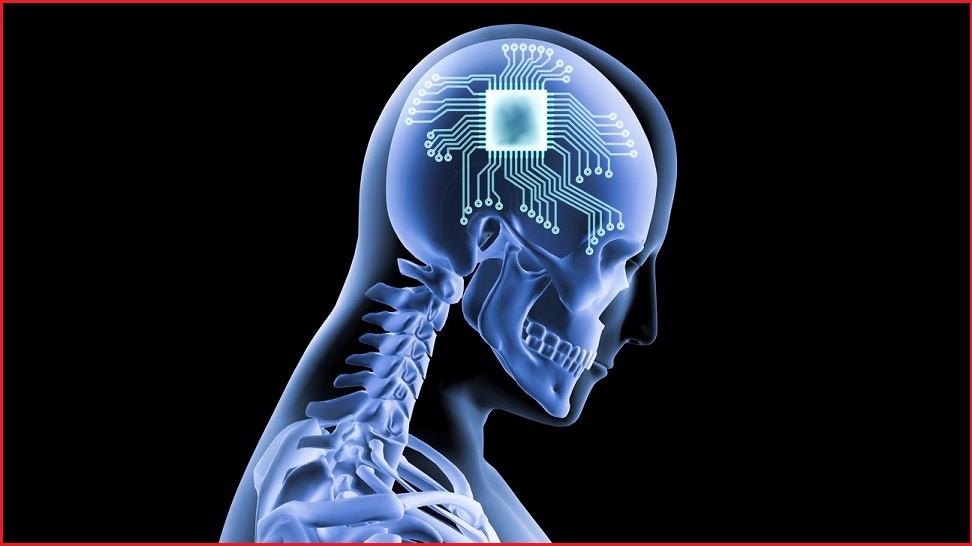
Neural implants are intricate electronic devices designed to interface directly with the brain. They typically consist of electrodes that can record electrical signals from neurons, stimulate specific brain regions, or both. These signals are then processed by an external device, such as a computer, which can interpret the information and provide feedback to the implant.
The functionality of neural implants can vary widely depending on their design and intended application. Some implants are designed to simply monitor brain activity, providing valuable insights into neural processes. Others are designed to stimulate specific brain regions, potentially alleviating symptoms of neurological disorders or enhancing cognitive functions. Still others are designed to both record and stimulate brain activity, creating a closed-loop system that can adapt to the individual’s needs.
Applications of Neural Implants
Neural implants have a wide range of potential applications, including:
- Treating Neurological Disorders: Neural implants have shown promise in treating a variety of neurological disorders, including Parkinson’s disease, epilepsy, and depression. Deep brain stimulation (DBS), a type of neural implant, has been used to effectively manage the symptoms of Parkinson’s disease by stimulating specific brain regions involved in motor control. Neural implants have also been used to control seizures in patients with epilepsy and to alleviate symptoms of depression in patients who have not responded to other treatments.
- Restoring Lost Functions: Neural implants can also be used to restore lost functions, such as movement, vision, and hearing. Brain-computer interfaces (BCIs), a type of neural implant, can allow individuals with paralysis to control prosthetic limbs or communicate using a computer. Retinal implants can restore some vision to individuals with certain types of blindness, and cochlear implants can restore hearing to individuals with hearing loss.
- Enhancing Human Cognition: Neural implants have the potential to enhance human cognitive capabilities, such as memory, attention, and decision-making. While this application is still in its early stages, researchers are exploring the possibility of using neural implants to improve memory in individuals with Alzheimer’s disease or to enhance attention in individuals with ADHD.
Types of Neural Implants
Neural implants come in various forms, each designed for specific purposes and targeting different areas of the nervous system. Here are some notable types:

Deep Brain Stimulation (DBS): DBS involves implanting electrodes deep within the brain to stimulate specific regions. It’s widely used for treating movement disorders like Parkinson’s disease, essential tremor, and dystonia. DBS can also be applied to manage psychiatric conditions like severe depression and obsessive-compulsive disorder (OCD).
Brain-Computer Interfaces (BCIs): BCIs create a direct communication pathway between the brain and an external device. They record brain activity and translate it into commands that control computers, prosthetic limbs, or other devices. BCIs hold immense potential for individuals with paralysis or severe motor impairments, allowing them to regain some degree of independence.
Spinal Cord Stimulation (SCS): SCS involves implanting electrodes near the spinal cord to deliver electrical impulses that modulate pain signals. It’s commonly used to manage chronic pain conditions like failed back surgery syndrome, complex regional pain syndrome (CRPS), and neuropathic pain.
Vagus Nerve Stimulation (VNS): VNS involves stimulating the vagus nerve, a major nerve that connects the brain to various organs in the body. It’s approved for treating epilepsy and depression and is being investigated for other conditions like migraines and anxiety disorders.
Retinal Implants: Retinal implants, also known as bionic eyes, are designed to restore some vision to individuals with severe retinal damage. They consist of a microchip implanted in the retina that converts light into electrical signals, which are then transmitted to the brain.
Cochlear Implants: Cochlear implants are electronic devices that restore hearing to individuals with severe hearing loss. They bypass damaged parts of the inner ear and directly stimulate the auditory nerve, allowing individuals to perceive sound.
Ethical Considerations
The development and use of neural implants raise a number of ethical considerations. One concern is the potential for misuse of these technologies. For example, neural implants could be used to control or manipulate individuals against their will. It is important to develop safeguards to prevent such abuses.
Another concern is the potential for unintended consequences. Neural implants are complex devices, and it is possible that they could have unforeseen effects on the brain. It is important to conduct thorough research to understand the potential risks and benefits of neural implants before they are widely used.
Finally, there is the question of access. Neural implants are expensive, and it is likely that they will initially be available only to those who can afford them. This could create a divide between those who have access to these technologies and those who do not. It is important to ensure that neural implants are available to all who could benefit from them, regardless of their ability to pay.
Challenges and Future Directions
Despite their immense potential, neural implants face several challenges that need to be addressed before they can be widely adopted. These challenges include:
- Biocompatibility: The body’s immune system can reject foreign materials, including neural implants. Improving the biocompatibility of implants is crucial for long-term functionality and safety.
- Longevity: Neural implants need to function reliably for many years. Developing durable and long-lasting materials and designs is essential.
- Signal Resolution: Improving the resolution and specificity of neural signals is necessary for more precise control and stimulation of the brain.
- Data Security and Privacy: Protecting the privacy and security of neural data is paramount, as these data can reveal sensitive information about an individual’s thoughts, emotions, and intentions.
- Ethical Guidelines: Establishing clear ethical guidelines for the development and use of neural implants is crucial to ensure responsible innovation and prevent misuse.
Future directions in neural implant research include:
- Developing more sophisticated algorithms for decoding brain signals.
- Creating closed-loop systems that can adapt to the individual’s needs.
- Exploring the potential of neural implants to treat a wider range of neurological and psychiatric disorders.
- Investigating the possibility of using neural implants to enhance human cognitive capabilities.
Conclusion
Neural implants represent a groundbreaking frontier in neuroscience and engineering. While challenges remain, their potential to revolutionize the treatment of neurological disorders, restore lost functions, and enhance human cognitive capabilities is undeniable. As research progresses and technology advances, neural implants are poised to transform our understanding and interaction with the human brain, paving the way for a future where the boundaries of human potential are pushed beyond what we once thought possible. Responsible development, ethical considerations, and ongoing research are crucial to ensure that neural implants are used safely, effectively, and equitably for the benefit of all.


Comments
Post a Comment