The healthcare industry is undergoing a data revolution. Hospitals, in particular, are generating vast amounts of information daily – patient records, lab results, imaging scans, vital signs, medication orders, and more. This deluge of data, once a challenge to manage, is now a goldmine of insights waiting to be unlocked. Predictive analytics, a branch of data science that uses statistical techniques and machine learning to forecast future outcomes, is at the forefront of this transformation, promising to improve patient care, streamline operations, and reduce costs within hospitals.
What is Predictive Analytics?
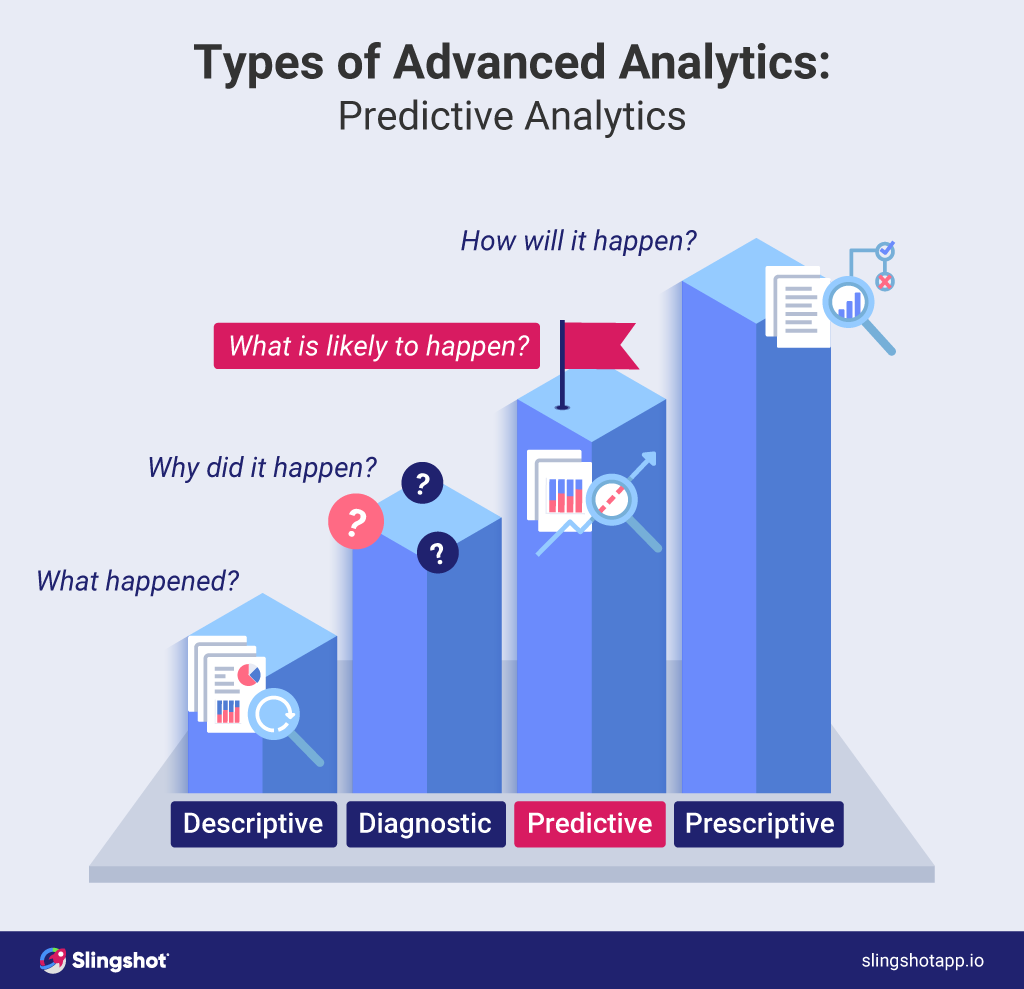
At its core, predictive analytics involves using historical data to identify patterns and predict future events. It goes beyond simply describing what has happened in the past; it aims to understand why it happened and, more importantly, what is likely to happen next. In a hospital setting, this could mean predicting which patients are at high risk of developing a specific condition, which patients are likely to be readmitted after discharge, or even which equipment is most likely to fail in the near future.
The process typically involves several key steps:
Data Collection: Gathering relevant data from various sources within the hospital, such as electronic health records (EHRs), billing systems, and operational databases.
Data Cleaning and Preparation: Ensuring the data is accurate, complete, and consistent. This often involves handling missing values, correcting errors, and transforming data into a suitable format for analysis.
Model Building: Selecting and training appropriate statistical or machine learning models using the prepared data. Common techniques include regression analysis, decision trees, neural networks, and time series analysis.
Model Validation: Testing the model’s accuracy and reliability using a separate set of data. This helps ensure that the model can generalize well to new, unseen data.
Deployment and Monitoring: Integrating the model into the hospital’s workflow and continuously monitoring its performance. This involves tracking key metrics and making adjustments as needed to maintain accuracy and relevance.

Key Applications of Predictive Analytics in Hospitals
Predictive analytics is being applied in a wide range of areas within hospitals, each with the potential to significantly improve patient care and operational efficiency. Here are some of the most impactful applications:
Predicting Patient Readmissions: Hospital readmissions are a major concern for healthcare providers, as they can be costly and often indicate inadequate care during the initial hospital stay. Predictive analytics can identify patients who are at high risk of readmission by analyzing factors such as age, medical history, previous hospitalizations, socioeconomic status, and discharge medications. This allows hospitals to implement targeted interventions, such as providing additional support and education to these patients, to reduce the likelihood of readmission.
Early Detection of Sepsis: Sepsis, a life-threatening condition caused by the body’s overwhelming response to an infection, is a leading cause of death in hospitals. Early detection is crucial for improving patient outcomes. Predictive analytics can analyze patient data, such as vital signs, lab results, and medical history, to identify patients who are at high risk of developing sepsis. This allows clinicians to intervene early with appropriate treatment, such as antibiotics and fluid resuscitation, to prevent the condition from progressing.
Risk Stratification for Chronic Diseases: Chronic diseases, such as diabetes, heart disease, and chronic obstructive pulmonary disease (COPD), are a major burden on the healthcare system. Predictive analytics can help hospitals identify patients who are at high risk of developing these conditions or experiencing complications from existing chronic diseases. This allows hospitals to implement targeted prevention programs and disease management strategies to improve patient outcomes and reduce healthcare costs.
Optimizing Bed Management: Hospital bed capacity is a finite resource, and efficient bed management is essential for ensuring that patients receive timely care. Predictive analytics can forecast future patient demand based on historical data, seasonal trends, and other factors. This allows hospitals to optimize bed allocation, reduce wait times, and improve patient flow.
Predicting Emergency Department (ED) Overcrowding: ED overcrowding is a common problem in hospitals, leading to long wait times, increased patient dissatisfaction, and potentially compromised care. Predictive analytics can forecast ED volume based on historical data, weather patterns, and local events. This allows hospitals to proactively allocate resources, such as staffing and equipment, to manage surges in patient demand and minimize overcrowding.
Improving Medication Adherence: Medication non-adherence is a major problem, leading to poor health outcomes and increased healthcare costs. Predictive analytics can identify patients who are at high risk of non-adherence based on factors such as age, medical history, socioeconomic status, and medication regimen. This allows hospitals to implement targeted interventions, such as providing medication reminders and counseling, to improve adherence.
Preventing Hospital-Acquired Infections (HAIs): HAIs are a significant concern in hospitals, leading to increased morbidity, mortality, and healthcare costs. Predictive analytics can identify patients who are at high risk of developing HAIs based on factors such as age, medical history, and exposure to antibiotics. This allows hospitals to implement targeted infection control measures, such as hand hygiene and isolation protocols, to prevent the spread of infection.
Equipment Failure Prediction: Hospitals rely on a wide range of medical equipment, from imaging machines to ventilators, to provide patient care. Equipment failure can disrupt operations and potentially endanger patients. Predictive analytics can analyze equipment data, such as usage patterns and maintenance records, to predict when equipment is likely to fail. This allows hospitals to proactively schedule maintenance and repairs, minimizing downtime and ensuring that equipment is always available when needed.
Personalized Treatment Plans: Predictive analytics is paving the way for personalized medicine. By analyzing individual patient data, including genetic information, lifestyle factors, and medical history, predictive models can help tailor treatment plans to the specific needs of each patient. This can lead to more effective treatments and better outcomes.
Challenges and Considerations
While the potential benefits of predictive analytics in hospitals are significant, there are also several challenges and considerations that need to be addressed:
- Data Quality: The accuracy and reliability of predictive models depend on the quality of the data used to train them. Hospitals need to ensure that their data is accurate, complete, and consistent.
- Data Privacy and Security: Hospitals must protect patient data privacy and security when using predictive analytics. This requires implementing robust security measures and complying with relevant regulations, such as HIPAA.
- Model Interpretability: It is important for clinicians to understand how predictive models arrive at their predictions. This requires using models that are transparent and interpretable, rather than "black boxes" that provide no insight into their reasoning.
- Ethical Considerations: Predictive analytics can raise ethical concerns, such as bias and discrimination. Hospitals need to ensure that their models are fair and do not perpetuate existing inequalities.
- Integration with Clinical Workflows: Predictive models need to be seamlessly integrated into clinical workflows to be effective. This requires collaboration between data scientists, clinicians, and IT professionals.
The Future of Predictive Analytics in Hospitals
The future of predictive analytics in hospitals is bright. As data becomes more readily available and analytical techniques continue to advance, we can expect to see even more innovative applications of predictive analytics in healthcare. Some potential future developments include:
- Real-time Predictive Analytics: Using real-time data streams to make predictions and provide immediate feedback to clinicians.
- Artificial Intelligence (AI)-Powered Predictive Analytics: Leveraging AI techniques, such as deep learning, to build more sophisticated and accurate predictive models.
- Predictive Analytics for Public Health: Using predictive analytics to identify and respond to public health threats, such as epidemics and pandemics.
Conclusion
Predictive analytics is transforming the way hospitals operate, offering the potential to improve patient care, streamline operations, and reduce costs. By harnessing the power of data, hospitals can gain valuable insights into patient risk, resource utilization, and operational efficiency. While there are challenges to overcome, the benefits of predictive analytics are clear, and its role in healthcare will only continue to grow in the years to come. Hospitals that embrace predictive analytics will be well-positioned to deliver better care, improve patient outcomes, and thrive in an increasingly competitive healthcare landscape.


Comments
Post a Comment