The healthcare industry, traditionally characterized by established pharmaceutical giants and entrenched medical practices, is undergoing a seismic shift. At the forefront of this transformation are biotech startups – agile, innovative companies armed with cutting-edge technologies and a relentless drive to address unmet medical needs. These startups are not merely incremental improvers; they are fundamentally disrupting the way we diagnose, treat, and prevent diseases, promising a future of more personalized, effective, and accessible healthcare.
A New Era of Innovation
Biotech startups are injecting fresh perspectives and approaches into an industry often criticized for its slow pace of innovation. Unlike large pharmaceutical companies, which may be burdened by bureaucratic processes and a focus on blockbuster drugs, startups are nimble and focused on niche areas with high potential. They are more willing to take risks, explore unconventional ideas, and rapidly iterate based on data and feedback.
Key Areas of Disruption
Here are some of the key areas where biotech startups are making a significant impact:
Drug Discovery and Development: Traditional drug development is a lengthy and expensive process, often taking over a decade and costing billions of dollars. Biotech startups are leveraging advancements in genomics, proteomics, and bioinformatics to accelerate drug discovery and development. They are using artificial intelligence (AI) and machine learning (ML) to identify promising drug targets, predict drug efficacy, and optimize clinical trial design. Startups are also pioneering new drug modalities, such as gene therapies, RNA-based therapeutics, and immunotherapies, which offer the potential to treat diseases that were previously considered untreatable.
Diagnostics: Early and accurate diagnosis is crucial for effective treatment. Biotech startups are developing innovative diagnostic tools that can detect diseases earlier, more accurately, and less invasively. These tools include liquid biopsies, which can detect cancer biomarkers in blood samples; point-of-care diagnostics, which can be used at the patient’s bedside or in remote locations; and wearable sensors, which can continuously monitor vital signs and detect early signs of disease.
Personalized Medicine: The concept of "one-size-fits-all" medicine is becoming increasingly outdated. Biotech startups are leading the way in personalized medicine, tailoring treatments to individual patients based on their genetic makeup, lifestyle, and environmental factors. They are developing companion diagnostics that can identify patients who are most likely to benefit from a particular drug, as well as personalized therapies that are designed to target specific genetic mutations or disease mechanisms.

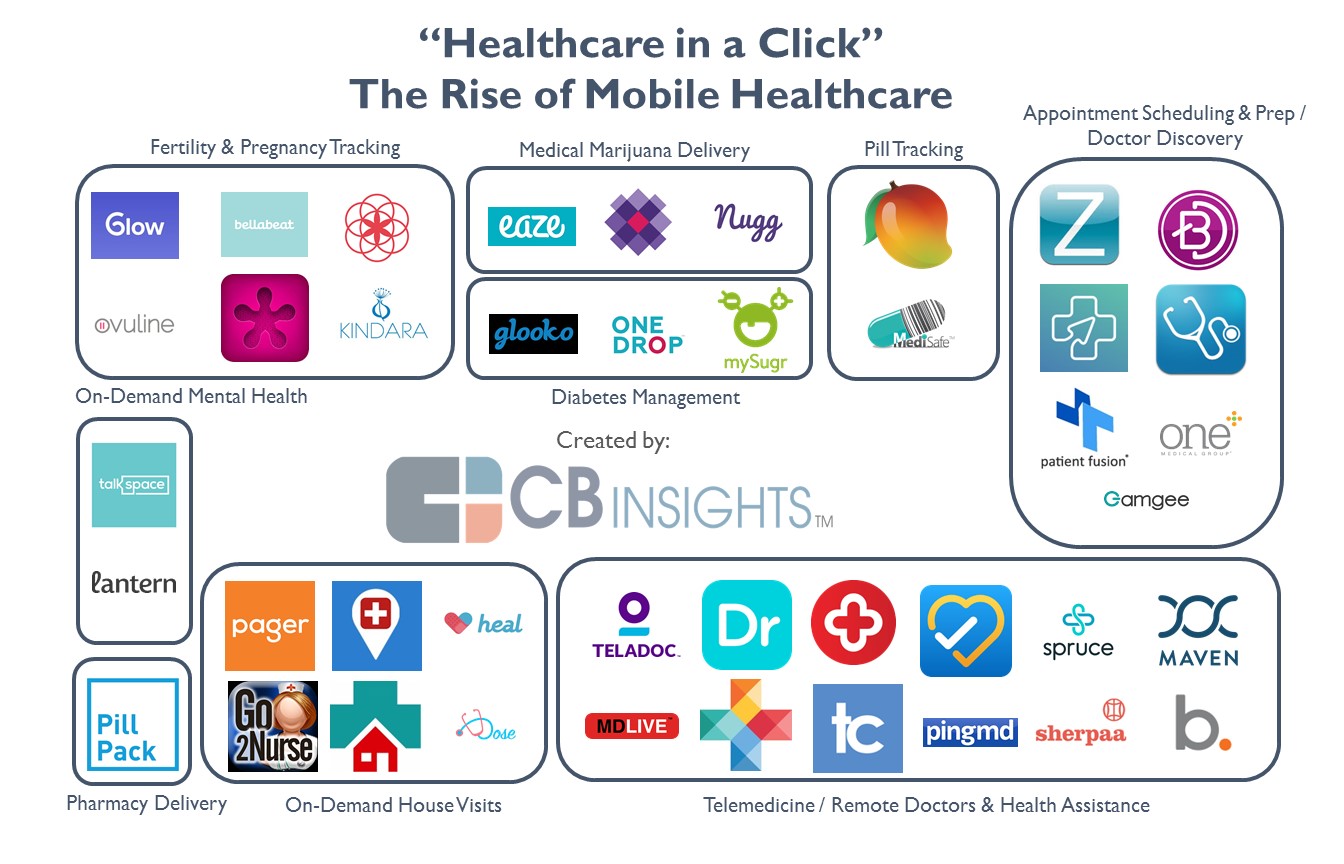
Digital Health: Digital health encompasses a wide range of technologies, including mobile apps, wearable devices, and telehealth platforms, that are used to improve healthcare delivery and patient outcomes. Biotech startups are developing digital health solutions that can help patients manage chronic conditions, track their health data, and communicate with their healthcare providers. They are also using AI and ML to analyze patient data and identify patterns that can be used to improve diagnosis and treatment.
Regenerative Medicine: Regenerative medicine focuses on repairing or replacing damaged tissues and organs. Biotech startups are developing innovative regenerative medicine therapies, such as stem cell therapies and tissue engineering, that can potentially cure diseases and injuries that were previously considered irreversible.
Biomanufacturing: Biotech startups are revolutionizing the way drugs and other biological products are manufactured. They are developing new biomanufacturing processes that are more efficient, sustainable, and cost-effective. These processes include cell-free protein synthesis, continuous biomanufacturing, and 3D bioprinting.
Challenges and Opportunities
While biotech startups hold immense promise, they also face significant challenges:
Funding: Biotech research and development is a capital-intensive endeavor. Startups often struggle to secure the funding they need to advance their technologies and bring their products to market.
Regulatory Hurdles: The regulatory pathway for new drugs and medical devices is complex and time-consuming. Startups must navigate a maze of regulations to obtain approval from regulatory agencies such as the FDA.
Competition: The healthcare industry is highly competitive. Startups must compete with established pharmaceutical companies and medical device manufacturers, as well as other startups.
Talent Acquisition: Biotech startups need to attract and retain top talent in order to succeed. However, they often face competition from larger companies that can offer higher salaries and benefits.
Despite these challenges, the opportunities for biotech startups are vast. The aging global population, the increasing prevalence of chronic diseases, and the growing demand for personalized medicine are all driving growth in the biotech industry. Startups that can successfully navigate the challenges and capitalize on these opportunities have the potential to transform healthcare and improve the lives of millions of people.
Examples of Disruptive Biotech Startups
Here are a few examples of biotech startups that are disrupting healthcare:
CRISPR Therapeutics: CRISPR Therapeutics is a gene editing company that is developing CRISPR-based therapies for a range of diseases, including genetic disorders, cancer, and infectious diseases.
GRAIL: GRAIL is a diagnostics company that is developing a blood test that can detect multiple types of cancer at an early stage.
Moderna: Moderna is a biotechnology company that is pioneering messenger RNA (mRNA) therapeutics and vaccines. Moderna’s COVID-19 vaccine was one of the first mRNA vaccines to be approved for use.
Recursion Pharmaceuticals: Recursion Pharmaceuticals is using AI and machine learning to discover and develop new drugs for a variety of diseases.
Exscientia: Exscientia is an AI-driven drug discovery company that partners with pharmaceutical companies to accelerate the development of new drugs.
The Future of Healthcare
Biotech startups are playing a critical role in shaping the future of healthcare. Their innovative technologies and approaches are transforming the way we diagnose, treat, and prevent diseases. As these startups continue to grow and mature, they will likely become even more influential in the healthcare industry.
The rise of biotech startups is not just about developing new drugs and medical devices. It’s about creating a more patient-centric, data-driven, and personalized healthcare system. It’s about empowering patients to take control of their health and make informed decisions about their care. It’s about creating a future where healthcare is more accessible, affordable, and effective for everyone.
In conclusion, biotech startups are not just disrupting healthcare; they are revolutionizing it. Their relentless pursuit of innovation and their commitment to addressing unmet medical needs are paving the way for a future of healthier lives and a more equitable healthcare system. As they continue to push the boundaries of science and technology, we can expect even more groundbreaking discoveries and transformative therapies that will reshape the landscape of healthcare for generations to come.


Comments
Post a Comment