Medical errors are a significant concern in healthcare, posing a threat to patient safety and well-being. These errors can range from medication mistakes and diagnostic inaccuracies to surgical complications and procedural mishaps. The consequences of medical errors can be devastating, leading to patient harm, increased healthcare costs, and a loss of trust in the medical system.
In recent years, technology has emerged as a promising tool for reducing medical errors and improving patient safety. With advancements in electronic health records (EHRs), computerized physician order entry (CPOE) systems, decision support tools, and other technologies, healthcare providers have new opportunities to prevent errors and enhance the quality of care.
The Role of Technology in Reducing Medical Errors
Technology can help reduce medical errors in several ways:
Improved Communication and Coordination: Technology can facilitate seamless communication and coordination among healthcare providers, reducing the risk of miscommunication and errors. EHRs, for example, provide a centralized platform for storing and sharing patient information, ensuring that all members of the care team have access to the same data. This can help prevent errors that occur when information is lost or misinterpreted.
Enhanced Decision-Making: Technology can provide healthcare providers with access to real-time data, clinical guidelines, and decision support tools, enabling them to make more informed decisions. For example, CPOE systems can alert providers to potential drug interactions or dosage errors, while decision support tools can help them diagnose complex conditions or choose the most appropriate treatment.
Reduced Reliance on Manual Processes: Technology can automate many manual processes, reducing the risk of human error. For example, automated medication dispensing systems can help prevent medication errors by ensuring that patients receive the correct dose of the right medication at the right time.
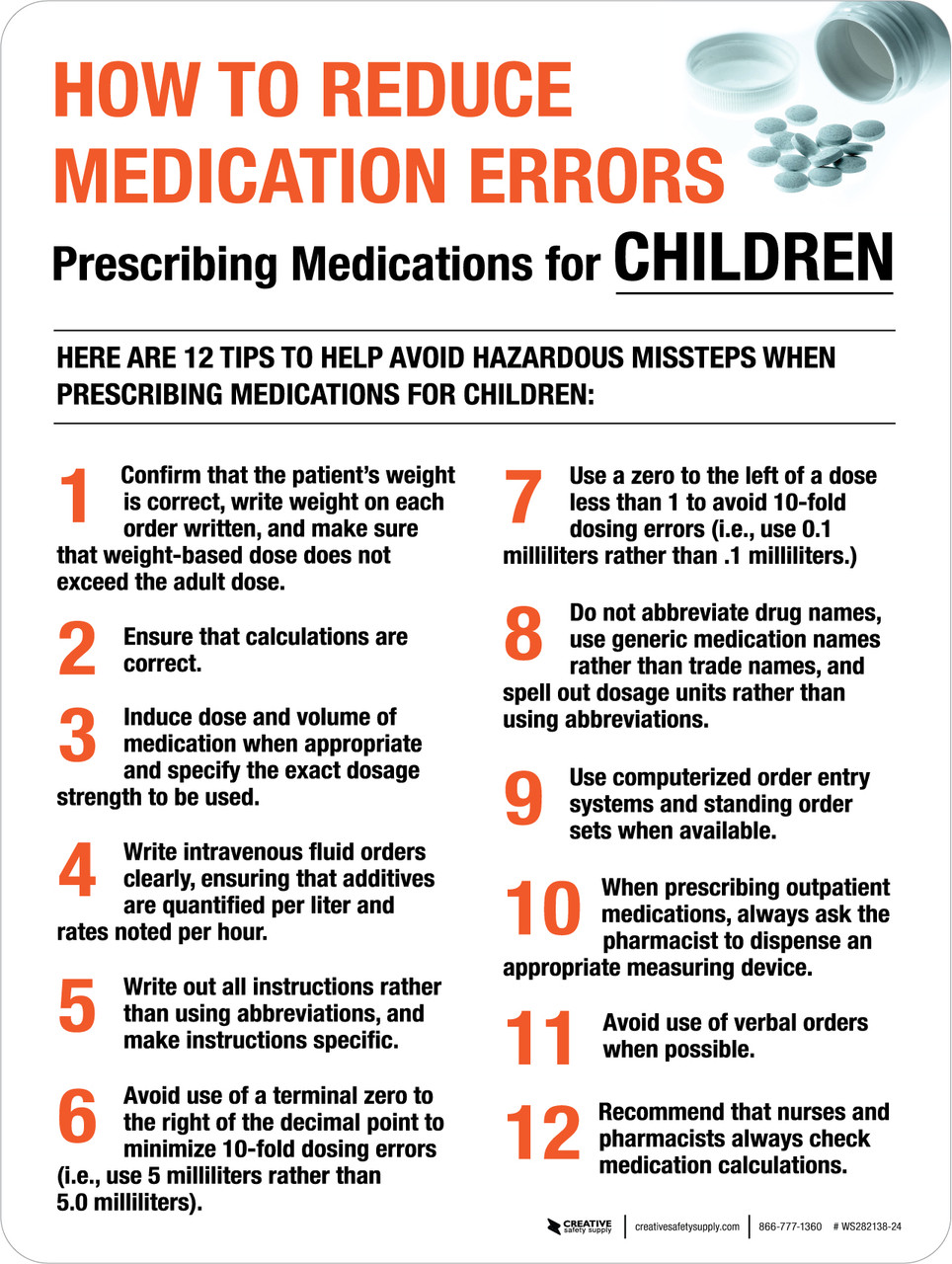
Improved Monitoring and Surveillance: Technology can be used to monitor patients’ vital signs, track their medications, and detect potential problems early on. This can help prevent adverse events and improve patient outcomes. For example, remote patient monitoring systems can allow healthcare providers to track patients’ health data from a distance, enabling them to identify and address potential problems before they become serious.
Examples of Technologies That Can Help Reduce Medical Errors
Several technologies have shown promise in reducing medical errors:

Electronic Health Records (EHRs): EHRs are digital versions of patients’ paper charts, containing information about their medical history, diagnoses, medications, allergies, and other relevant data. EHRs can improve communication and coordination among healthcare providers, reduce the risk of lost or misplaced information, and provide access to real-time data for decision-making.
Computerized Physician Order Entry (CPOE) Systems: CPOE systems allow healthcare providers to enter medication orders directly into a computer, rather than writing them on paper. CPOE systems can help prevent medication errors by checking for drug interactions, allergies, and other potential problems. They can also provide alerts and reminders to help providers follow best practices.
Decision Support Tools: Decision support tools provide healthcare providers with access to clinical guidelines, evidence-based recommendations, and other information to help them make informed decisions. These tools can help providers diagnose complex conditions, choose the most appropriate treatment, and avoid errors.
Automated Medication Dispensing Systems: Automated medication dispensing systems are used to store and dispense medications in a secure and controlled environment. These systems can help prevent medication errors by ensuring that patients receive the correct dose of the right medication at the right time.
Remote Patient Monitoring Systems: Remote patient monitoring systems allow healthcare providers to track patients’ health data from a distance. These systems can be used to monitor patients with chronic conditions, such as diabetes or heart failure, and to detect potential problems early on.
Artificial Intelligence (AI): AI has the potential to revolutionize healthcare by automating tasks, improving accuracy, and enhancing decision-making. For example, AI can be used to analyze medical images, identify patterns in patient data, and predict the risk of adverse events.
Challenges to Implementing Technology to Reduce Medical Errors
While technology offers great promise for reducing medical errors, there are also several challenges to implementing these technologies effectively:
Cost: Implementing new technologies can be expensive, requiring significant investments in hardware, software, and training.
Interoperability: Many healthcare systems use different EHRs and other technologies, which can make it difficult to share information seamlessly.
Usability: Some technologies can be difficult to use, which can lead to errors and frustration.
Data Security and Privacy: Healthcare data is sensitive and must be protected from unauthorized access and disclosure.
Resistance to Change: Some healthcare providers may be resistant to adopting new technologies, preferring to stick with traditional methods.
Overcoming the Challenges
To overcome these challenges, healthcare organizations need to:
Develop a clear strategy for implementing technology: This strategy should include goals, objectives, and a timeline for implementation.
Invest in training and support: Healthcare providers need to be properly trained on how to use new technologies effectively.
Ensure interoperability: Healthcare organizations should work to ensure that their systems can communicate with each other seamlessly.
Prioritize usability: Technologies should be designed to be user-friendly and easy to use.
Protect data security and privacy: Healthcare organizations must implement robust security measures to protect patient data.
Address resistance to change: Healthcare organizations should work to address any concerns or resistance to change that healthcare providers may have.
Conclusion
Technology has the potential to significantly reduce medical errors and improve patient safety. By improving communication and coordination, enhancing decision-making, reducing reliance on manual processes, and improving monitoring and surveillance, technology can help healthcare providers prevent errors and provide better care.
However, there are also several challenges to implementing technology effectively, including cost, interoperability, usability, data security and privacy, and resistance to change. To overcome these challenges, healthcare organizations need to develop a clear strategy for implementing technology, invest in training and support, ensure interoperability, prioritize usability, protect data security and privacy, and address resistance to change.
By addressing these challenges and implementing technology effectively, healthcare organizations can create a safer and more efficient healthcare system for all. As technology continues to evolve, its role in reducing medical errors and improving patient safety will only become more important. The future of healthcare lies in embracing technology to create a safer and more effective environment for both patients and providers.


Comments
Post a Comment