Post-traumatic stress disorder (PTSD) and anxiety disorders are debilitating mental health conditions that affect millions of people worldwide. Traditional treatments such as cognitive behavioral therapy (CBT) and medication have proven effective for many, but they are not universally successful, and some individuals may experience barriers to access or find them difficult to tolerate. In recent years, virtual reality therapy (VRT) has emerged as a promising alternative and adjunct treatment for PTSD and anxiety, offering a unique and immersive approach to address the core symptoms of these disorders.
Understanding PTSD and Anxiety
Before delving into the specifics of VRT, it is crucial to understand the nature of PTSD and anxiety disorders.
PTSD: PTSD is a mental health condition that can develop after experiencing or witnessing a traumatic event, such as combat, natural disasters, accidents, or interpersonal violence. Symptoms of PTSD include intrusive memories, flashbacks, nightmares, avoidance of trauma-related stimuli, negative thoughts and feelings, hyperarousal, and emotional numbing. These symptoms can significantly impair a person’s daily functioning, relationships, and overall quality of life.
Anxiety Disorders: Anxiety disorders are a group of mental health conditions characterized by excessive fear, worry, and nervousness. Common types of anxiety disorders include generalized anxiety disorder (GAD), social anxiety disorder (SAD), panic disorder, and specific phobias. Symptoms of anxiety disorders can range from mild to severe and may include physical symptoms such as rapid heart rate, sweating, trembling, and difficulty breathing.
What is Virtual Reality Therapy?
Virtual reality therapy (VRT) is a type of exposure therapy that utilizes computer-generated virtual environments to simulate real-world situations or scenarios that trigger anxiety or trauma-related memories. VRT allows individuals to confront these triggers in a safe, controlled, and gradual manner, under the guidance of a trained therapist.
How Does VRT Work for PTSD and Anxiety?
VRT works through several key mechanisms to alleviate the symptoms of PTSD and anxiety:

Exposure: VRT provides a safe and controlled environment for individuals to gradually expose themselves to anxiety-provoking or trauma-related stimuli. This exposure helps to reduce avoidance behaviors and desensitize individuals to these triggers.
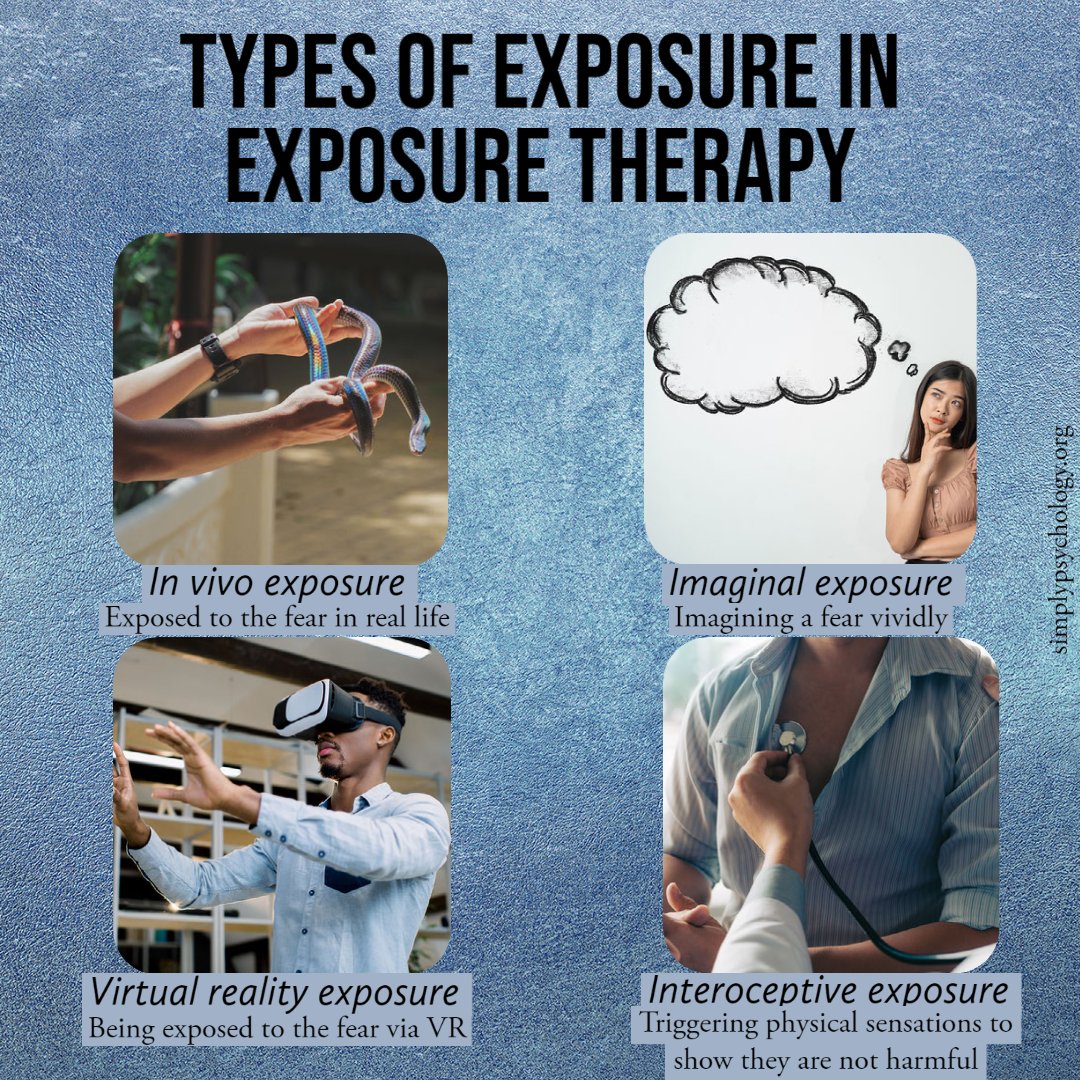
Habituation: Repeated exposure to virtual environments leads to habituation, a process in which the individual’s physiological and emotional responses to the stimuli gradually decrease over time.
Cognitive Restructuring: VRT can be used to challenge and modify negative thoughts and beliefs associated with traumatic experiences or anxiety-provoking situations. Therapists can guide individuals through cognitive restructuring exercises within the virtual environment, helping them to develop more adaptive coping strategies.
Emotional Processing: VRT facilitates emotional processing by allowing individuals to re-experience and process their emotions in a safe and supportive setting. This can help to reduce the intensity of traumatic memories and promote emotional healing.
Sense of Presence: The immersive nature of VRT creates a sense of presence, which is the feeling of being physically present in the virtual environment. This sense of presence can enhance the therapeutic experience and make it more realistic and engaging.
Applications of VRT for PTSD and Anxiety
VRT has been successfully applied to treat a variety of PTSD and anxiety disorders, including:
PTSD: VRT has been used to treat PTSD related to combat, sexual assault, motor vehicle accidents, and natural disasters. Virtual environments can be tailored to recreate specific traumatic events, allowing individuals to process their experiences in a controlled and therapeutic manner.
Social Anxiety Disorder: VRT can simulate social situations such as public speaking, parties, or job interviews, allowing individuals to practice social skills and reduce anxiety in a safe environment.
Specific Phobias: VRT has been used to treat phobias of heights, spiders, snakes, and other feared objects or situations. Virtual environments can gradually expose individuals to these phobias, helping them to overcome their fears.
Panic Disorder: VRT can simulate panic-inducing situations such as crowded places or enclosed spaces, allowing individuals to practice coping strategies and reduce their fear of panic attacks.
Benefits of VRT
VRT offers several advantages over traditional exposure therapy and other treatments for PTSD and anxiety:
Safety: VRT provides a safe and controlled environment for individuals to confront their fears and traumatic memories without the risk of real-world harm.
Control: Therapists can control the intensity and duration of exposure, allowing for a gradual and personalized approach to treatment.
Accessibility: VRT can be delivered remotely, making it more accessible to individuals who live in rural areas or have difficulty accessing traditional therapy services.
Engagement: The immersive nature of VRT can make therapy more engaging and motivating for individuals, leading to better treatment outcomes.
Cost-Effectiveness: VRT may be more cost-effective than traditional therapy in the long run, as it can reduce the need for medication and hospitalization.
Limitations of VRT
While VRT holds great promise for treating PTSD and anxiety, it is important to acknowledge its limitations:
Cost: VRT equipment and software can be expensive, which may limit its availability in some settings.
Technical Issues: VRT can be prone to technical issues such as software glitches or hardware malfunctions, which can disrupt the therapeutic process.
Motion Sickness: Some individuals may experience motion sickness or nausea while using VRT, which can make it difficult to tolerate.
Limited Generalizability: The skills and coping strategies learned in virtual environments may not always generalize to real-world situations.
Ethical Considerations: There are ethical considerations related to the use of VRT, such as the potential for retraumatization or the creation of false memories.
Future Directions
The field of VRT is rapidly evolving, with ongoing research exploring new applications and improvements to existing technologies. Future directions for VRT include:
Personalized VRT: Developing VRT programs that are tailored to the specific needs and preferences of individual patients.
Integration with Other Therapies: Combining VRT with other evidence-based therapies such as CBT or medication to enhance treatment outcomes.
Use of Artificial Intelligence (AI): Incorporating AI into VRT to create more realistic and adaptive virtual environments.
Development of Mobile VRT: Creating mobile VRT applications that can be used on smartphones or tablets, making VRT more accessible and convenient.
Research on Long-Term Outcomes: Conducting more research to evaluate the long-term effectiveness of VRT and identify factors that predict treatment success.
Conclusion
Virtual reality therapy represents a significant advancement in the treatment of PTSD and anxiety disorders. By providing a safe, controlled, and immersive environment for individuals to confront their fears and traumatic memories, VRT offers a unique and effective approach to alleviate symptoms and improve quality of life. While VRT has some limitations, ongoing research and technological advancements are continually expanding its potential and making it more accessible to those who need it. As the field of VRT continues to evolve, it is likely to play an increasingly important role in the treatment of mental health conditions in the years to come.


Comments
Post a Comment