Epigenetics has emerged as a revolutionary field in biology, offering profound insights into how our genes are regulated without altering the underlying DNA sequence itself. This complex system of molecular switches and markers plays a crucial role in determining which genes are turned on or off, influencing cellular function, development, and susceptibility to disease. In this article, we delve into the fascinating world of epigenetics, exploring its mechanisms, its influence on health and disease, and its potential for therapeutic interventions.
What is Epigenetics?
The term "epigenetics" literally means "above" or "on top of" genetics. It refers to the processes that alter gene expression patterns without changing the DNA sequence. These epigenetic modifications act as a dynamic interface between our genes and the environment, allowing cells to adapt to changing conditions and influencing how our genetic blueprint is interpreted.
Unlike genetic mutations, which involve alterations in the DNA sequence itself, epigenetic modifications are reversible and can be influenced by various factors, including diet, stress, environmental exposures, and lifestyle choices. This means that our experiences can have a direct impact on our gene expression patterns, potentially influencing our health and the health of future generations.
Key Mechanisms of Epigenetic Modification
Epigenetic modifications primarily involve three main mechanisms:
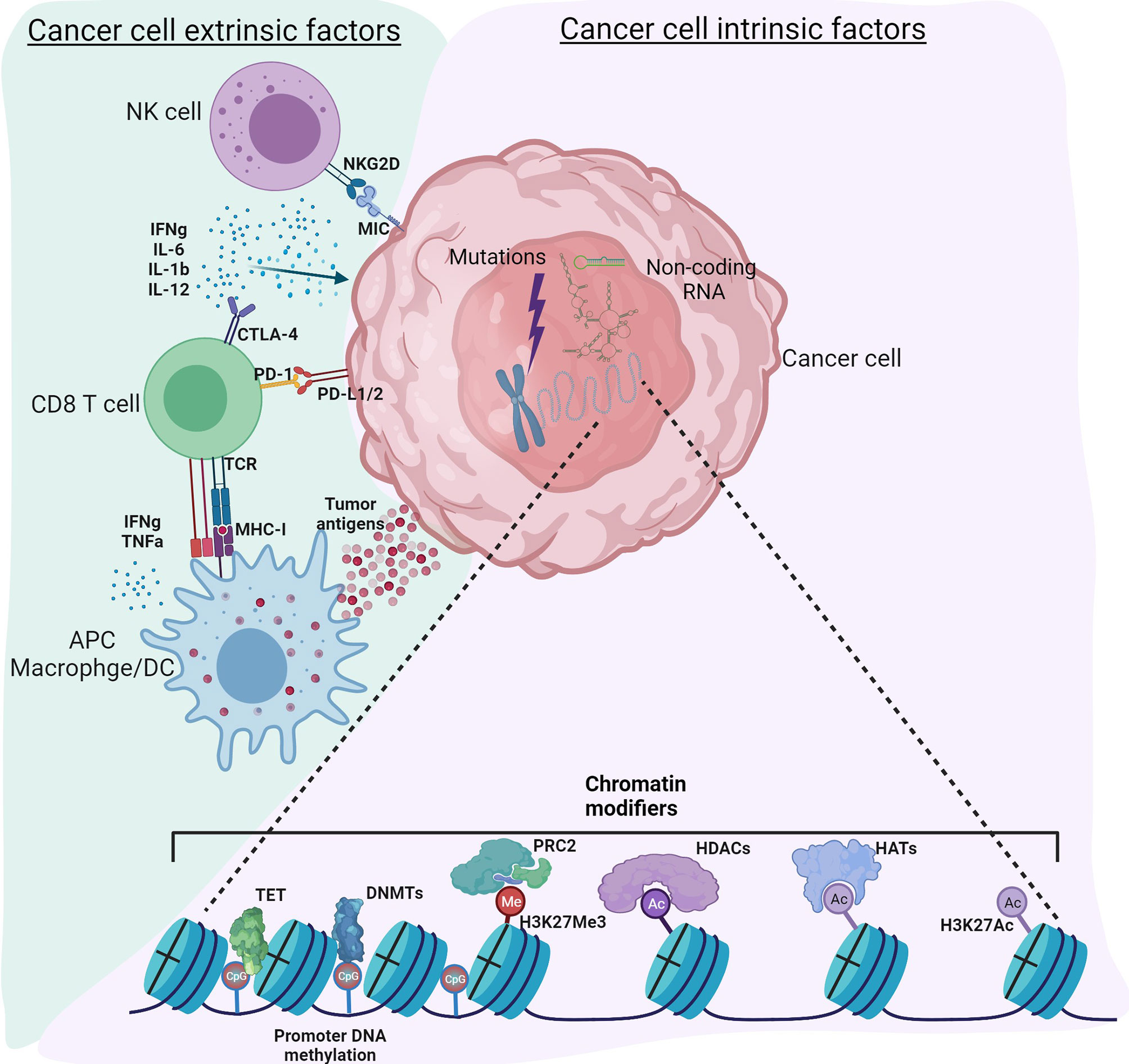
DNA Methylation: This process involves the addition of a methyl group (CH3) to a cytosine base in the DNA molecule. DNA methylation typically occurs in regions called CpG islands, which are often found near the promoters of genes (the regions where gene transcription begins).
When a gene’s promoter region is heavily methylated, it can prevent the binding of transcription factors, effectively silencing the gene. Conversely, demethylation can activate gene expression. DNA methylation plays a critical role in various cellular processes, including genomic imprinting (where certain genes are expressed only from one parent), X-chromosome inactivation in females, and the suppression of transposable elements.
Histone Modification: DNA is packaged into structures called chromatin, which consist of DNA wrapped around proteins called histones. Histones can undergo various chemical modifications, such as acetylation, methylation, phosphorylation, and ubiquitination. These modifications can alter the structure of chromatin, making it more or less accessible to transcription factors and other regulatory proteins.
For example, histone acetylation generally loosens the chromatin structure, allowing for increased gene transcription. Conversely, histone methylation can either activate or repress gene expression, depending on the specific amino acid residue that is methylated and the number of methyl groups added.

Non-coding RNAs (ncRNAs): These RNA molecules do not code for proteins but play a crucial role in regulating gene expression. One of the most well-studied classes of ncRNAs is microRNAs (miRNAs), which are small RNA molecules that bind to messenger RNA (mRNA) molecules, leading to their degradation or translational repression.
Other types of ncRNAs, such as long non-coding RNAs (lncRNAs), can also regulate gene expression by interacting with DNA, RNA, or proteins, influencing chromatin structure and transcription.
Epigenetics and Disease
Aberrant epigenetic modifications have been implicated in a wide range of human diseases, including cancer, neurodegenerative disorders, cardiovascular disease, and metabolic disorders.
Cancer: Epigenetic alterations are a hallmark of cancer. Changes in DNA methylation patterns, such as global hypomethylation and hypermethylation of tumor suppressor genes, can lead to uncontrolled cell growth and tumor development. Histone modifications can also contribute to cancer by altering the expression of genes involved in cell cycle regulation, DNA repair, and apoptosis.
Neurodegenerative Disorders: Epigenetic mechanisms are implicated in the pathogenesis of neurodegenerative diseases such as Alzheimer’s disease, Parkinson’s disease, and Huntington’s disease. Altered DNA methylation and histone modifications can affect the expression of genes involved in neuronal survival, synaptic plasticity, and protein aggregation.
Cardiovascular Disease: Epigenetic modifications can influence cardiovascular health by affecting the expression of genes involved in lipid metabolism, inflammation, and blood vessel function. Environmental factors such as diet and smoking can induce epigenetic changes that increase the risk of cardiovascular disease.
Metabolic Disorders: Epigenetics plays a role in the development of metabolic disorders such as obesity, type 2 diabetes, and non-alcoholic fatty liver disease. Epigenetic modifications can affect the expression of genes involved in glucose metabolism, insulin signaling, and lipid storage.
Environmental Influences on Epigenetics
Our environment, including diet, stress, exposure to toxins, and lifestyle choices, can significantly impact our epigenome. These environmental factors can induce epigenetic changes that alter gene expression patterns and influence our susceptibility to disease.
Diet: Dietary factors such as folate, vitamin B12, and choline are essential for DNA methylation. Diets deficient in these nutrients can lead to altered DNA methylation patterns and increase the risk of certain diseases.
Stress: Chronic stress can induce epigenetic changes that affect the hypothalamic-pituitary-adrenal (HPA) axis, the body’s primary stress response system. These epigenetic changes can increase the risk of anxiety, depression, and other stress-related disorders.
Toxins: Exposure to environmental toxins such as heavy metals, pesticides, and air pollution can induce epigenetic changes that increase the risk of cancer, neurodevelopmental disorders, and other diseases.
Lifestyle Choices: Lifestyle choices such as smoking, alcohol consumption, and physical activity can also impact the epigenome. Smoking, for example, can induce DNA methylation changes that increase the risk of lung cancer and other respiratory diseases.
Epigenetics and Inheritance
One of the most intriguing aspects of epigenetics is the possibility that epigenetic modifications can be transmitted from one generation to the next. This phenomenon, known as transgenerational epigenetic inheritance, suggests that our experiences and environmental exposures can have long-lasting effects on our offspring, even if they are not directly exposed to the same environmental factors.
While the mechanisms underlying transgenerational epigenetic inheritance are still being investigated, evidence suggests that epigenetic modifications such as DNA methylation and histone modifications can be transmitted through the germline (sperm and egg cells) to subsequent generations.
Therapeutic Potential of Epigenetics
The reversibility of epigenetic modifications makes them attractive targets for therapeutic interventions. Epigenetic drugs, such as DNA methyltransferase inhibitors and histone deacetylase inhibitors, are already being used to treat certain types of cancer. These drugs work by reversing aberrant epigenetic modifications, restoring normal gene expression patterns, and inhibiting tumor growth.
In addition to epigenetic drugs, researchers are exploring other therapeutic strategies that target epigenetic mechanisms, such as dietary interventions and lifestyle modifications. These approaches aim to promote healthy epigenetic patterns and reduce the risk of disease.
Conclusion
Epigenetics is a dynamic and complex field that has revolutionized our understanding of gene regulation and its role in health and disease. Epigenetic modifications provide a crucial link between our genes and the environment, allowing cells to adapt to changing conditions and influencing our susceptibility to disease.
As we continue to unravel the mysteries of epigenetics, we can expect to see the development of new and innovative therapies that target epigenetic mechanisms, offering the potential to prevent and treat a wide range of human diseases. The ability to influence our epigenome through lifestyle choices and environmental modifications also empowers us to take control of our health and the health of future generations.


Comments
Post a Comment