3D printing, also known as additive manufacturing, has emerged as a disruptive technology with the potential to revolutionize numerous industries. Among these, the field of medicine stands to benefit immensely from the unique capabilities offered by 3D printing. This technology enables the creation of complex, customized objects layer by layer, using materials ranging from plastics and metals to ceramics and even living cells. In the context of healthcare, 3D printing is transforming various aspects of medical practice, from surgical planning and personalized implants to drug delivery systems and bioprinting of tissues and organs.
1. Surgical Planning and Simulation
One of the earliest and most impactful applications of 3D printing in medicine has been in surgical planning. Traditional surgical planning relies on 2D medical imaging techniques such as X-rays, CT scans, and MRIs. While these imaging modalities provide valuable information, they often lack the depth and tactile feedback necessary for surgeons to fully understand complex anatomical structures and plan intricate procedures. 3D printing addresses these limitations by allowing surgeons to create physical models of a patient’s anatomy based on their medical imaging data.
These 3D-printed models enable surgeons to visualize and manipulate the patient’s anatomy in a realistic and tangible manner. Surgeons can use these models to:
- Preoperatively plan complex surgeries: Surgeons can use the models to simulate different surgical approaches, identify potential challenges, and optimize their surgical strategy.
- Improve surgical precision: By studying the 3D-printed models, surgeons can gain a better understanding of the spatial relationships between anatomical structures, allowing them to perform more precise and less invasive surgeries.
- Reduce surgical time: With a clear understanding of the patient’s anatomy, surgeons can perform surgeries more efficiently, reducing the overall surgical time and minimizing the risk of complications.
- Enhance patient education: 3D-printed models can be used to educate patients about their condition and the planned surgical procedure, improving patient understanding and reducing anxiety.
Surgical planning with 3D-printed models has been particularly beneficial in complex cases such as craniofacial reconstruction, orthopedic surgery, and cardiovascular surgery. For example, in cases of congenital heart defects, 3D-printed models of the patient’s heart can help surgeons plan the optimal surgical approach and ensure a successful outcome.
2. Personalized Implants and Prosthetics
Traditional implants and prosthetics are often manufactured in standard sizes and shapes, which may not perfectly fit the unique anatomy of each patient. This can lead to discomfort, poor functionality, and the need for additional surgeries to revise or replace the implant. 3D printing offers the ability to create personalized implants and prosthetics that are tailored to the specific needs of each patient.
Using medical imaging data, 3D printing can be used to create implants and prosthetics that precisely match the patient’s anatomy. This results in:
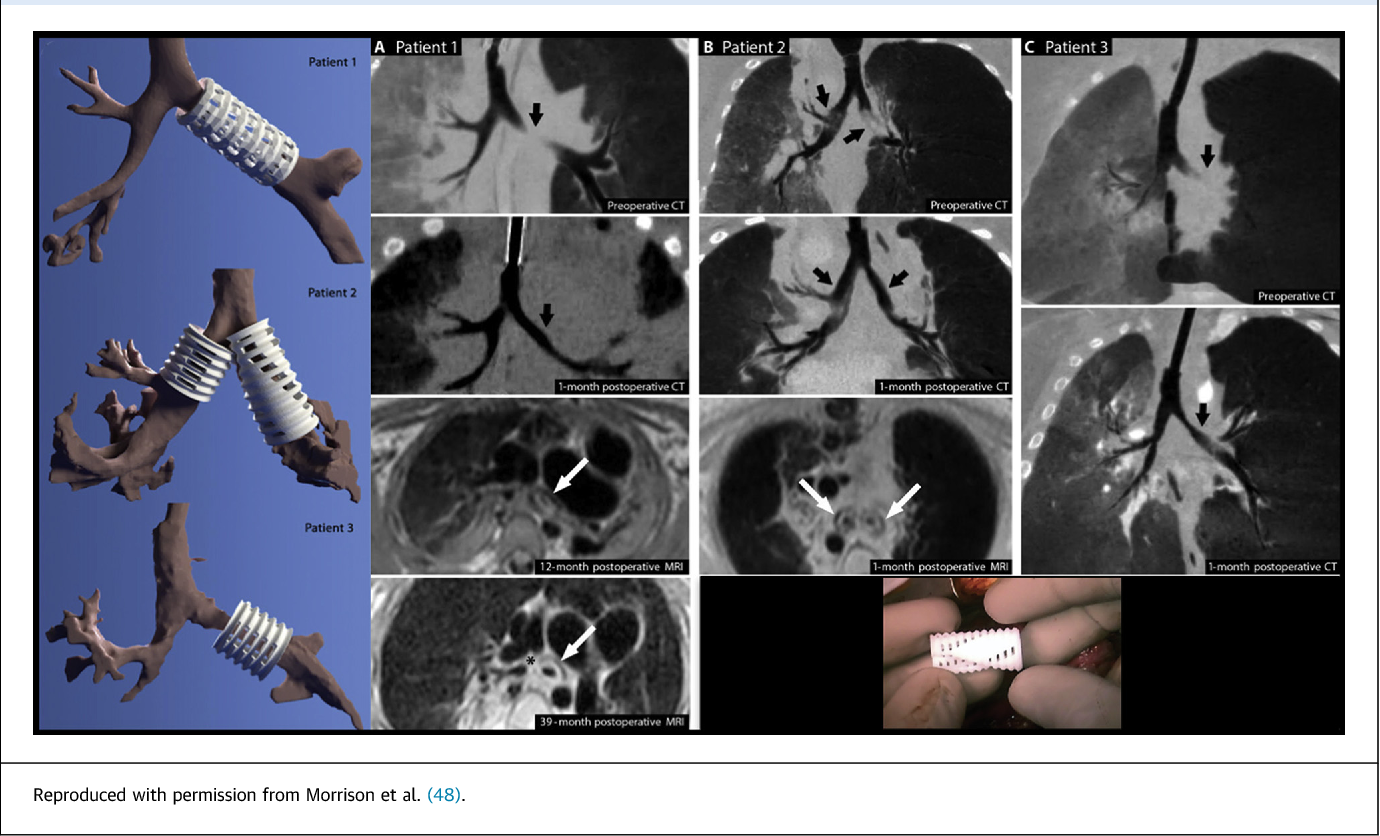
- Improved fit and comfort: Personalized implants and prosthetics provide a more comfortable and natural fit, reducing the risk of skin irritation, pressure sores, and other complications.
- Enhanced functionality: By closely matching the patient’s anatomy, personalized implants and prosthetics can restore a greater degree of functionality and range of motion.
- Reduced surgical time: The precise fit of personalized implants and prosthetics can simplify the surgical procedure and reduce the overall surgical time.
- Improved cosmetic outcomes: Personalized prosthetics can be designed to closely resemble the patient’s natural anatomy, resulting in a more aesthetically pleasing outcome.

3D-printed implants and prosthetics have been successfully used in a variety of applications, including:
- Cranial implants: 3D-printed cranial implants can be used to repair skull defects caused by trauma, surgery, or congenital conditions.
- Orthopedic implants: 3D-printed orthopedic implants can be used to replace damaged or diseased joints, such as hips, knees, and shoulders.
- Dental implants: 3D-printed dental implants can be used to replace missing teeth, providing a stable and natural-looking solution.
- Prosthetic limbs: 3D-printed prosthetic limbs can be customized to fit the patient’s individual needs and preferences, providing a more comfortable and functional alternative to traditional prosthetics.
3. Drug Delivery Systems
3D printing is also being explored as a means of creating personalized drug delivery systems. Traditional drug delivery methods, such as pills and injections, often result in inconsistent drug concentrations in the body, leading to suboptimal therapeutic outcomes and increased risk of side effects. 3D printing can be used to create customized drug formulations and delivery devices that provide precise and controlled drug release.
3D-printed drug delivery systems can be designed to:
- Control drug release rate: 3D printing allows for precise control over the structure and composition of drug formulations, enabling the creation of systems that release drugs at a controlled rate over a specific period of time.
- Target specific tissues or organs: 3D-printed drug delivery devices can be designed to target specific tissues or organs, maximizing drug efficacy and minimizing side effects.
- Personalize drug dosages: 3D printing enables the creation of customized drug dosages based on the patient’s individual needs and characteristics, such as weight, age, and medical condition.
- Combine multiple drugs into a single dosage form: 3D printing can be used to create combination drug products that contain multiple drugs in a single dosage form, simplifying medication regimens and improving patient compliance.
4. Bioprinting of Tissues and Organs
One of the most promising and ambitious applications of 3D printing in medicine is bioprinting, which involves the use of 3D printing techniques to create living tissues and organs. Bioprinting holds the potential to revolutionize regenerative medicine by providing a source of replacement tissues and organs for patients suffering from injury, disease, or organ failure.
Bioprinting typically involves the following steps:
- Cell sourcing: Cells are harvested from the patient or a donor and cultured in a laboratory.
- Bioink preparation: The cells are mixed with a biocompatible material, such as hydrogel, to create a bioink.
- 3D printing: The bioink is loaded into a 3D printer, which deposits the material layer by layer to create the desired tissue or organ structure.
- Maturation: The bioprinted tissue or organ is cultured in a bioreactor to allow the cells to mature and differentiate into the desired cell types.
While bioprinting is still in its early stages of development, significant progress has been made in bioprinting various tissues and organs, including:
- Skin: Bioprinted skin has been used to treat burns and wounds.
- Cartilage: Bioprinted cartilage has been used to repair damaged joints.
- Bone: Bioprinted bone has been used to repair fractures and bone defects.
- Blood vessels: Bioprinted blood vessels have been used to create vascularized tissues and organs.
- Heart valves: Bioprinted heart valves are being developed as a potential alternative to traditional heart valve replacements.
Challenges and Future Directions
Despite the immense potential of 3D printing in medicine, there are several challenges that need to be addressed before this technology can be widely adopted. These challenges include:
- Material development: The development of biocompatible and biofunctional materials is crucial for the success of 3D-printed medical devices and bioprinted tissues and organs.
- Printing resolution and speed: Improving the resolution and speed of 3D printing technologies is necessary to create complex and intricate structures in a timely manner.
- Regulatory framework: Clear regulatory guidelines are needed to ensure the safety and efficacy of 3D-printed medical devices and bioprinted products.
- Cost: The cost of 3D printing technologies and materials needs to be reduced to make them more accessible to patients and healthcare providers.
In the future, 3D printing is expected to play an even greater role in medicine, enabling the creation of personalized medical solutions that are tailored to the specific needs of each patient. As the technology continues to advance, we can anticipate seeing a wider range of 3D-printed medical devices, implants, and bioprinted tissues and organs being used to improve patient outcomes and transform healthcare.


Comments
Post a Comment