Inflammation is a natural and essential process in the human body. It’s the body’s defense mechanism against injury, infection, and various harmful stimuli. When functioning correctly, inflammation is a short-term response that helps the body heal and repair itself. However, when inflammation becomes persistent and long-lasting, it transforms into chronic inflammation, a condition that has been linked to a wide range of diseases. This article delves into the intricate relationship between chronic inflammation and disease, exploring its causes, mechanisms, associated conditions, and potential strategies for management and prevention.
Understanding Inflammation: Acute vs. Chronic
To grasp the significance of chronic inflammation, it’s crucial to differentiate it from acute inflammation.
Acute Inflammation: This is a short-term response that occurs when the body encounters an injury or infection. It’s characterized by the classic signs of inflammation: redness, heat, swelling, pain, and loss of function. The primary goal of acute inflammation is to eliminate the initial cause of cell injury, clear out damaged cells and tissues, and initiate tissue repair.
Chronic Inflammation: In contrast, chronic inflammation is a prolonged and persistent inflammatory response. It can last for months, years, or even a lifetime. Unlike acute inflammation, chronic inflammation often involves a different set of immune cells and molecular pathways. It can result from unresolved acute inflammation, persistent infections, autoimmune reactions, or chronic exposure to irritants.
Causes of Chronic Inflammation
Chronic inflammation is a complex process with various underlying causes. Some of the primary factors contributing to its development include:

Persistent Infections: Chronic infections, such as those caused by certain bacteria, viruses, or parasites, can trigger a continuous inflammatory response. For example, chronic hepatitis B or C virus infections can lead to chronic liver inflammation and, eventually, liver damage.
Autoimmune Disorders: Autoimmune diseases occur when the immune system mistakenly attacks the body’s own tissues. This misdirected immune response leads to chronic inflammation in affected organs and tissues. Examples of autoimmune disorders associated with chronic inflammation include rheumatoid arthritis, lupus, and inflammatory bowel disease (IBD).
Chronic Exposure to Irritants: Prolonged exposure to environmental irritants, such as pollutants, toxins, and certain chemicals, can trigger chronic inflammation. For instance, chronic exposure to air pollution has been linked to respiratory inflammation and cardiovascular diseases.
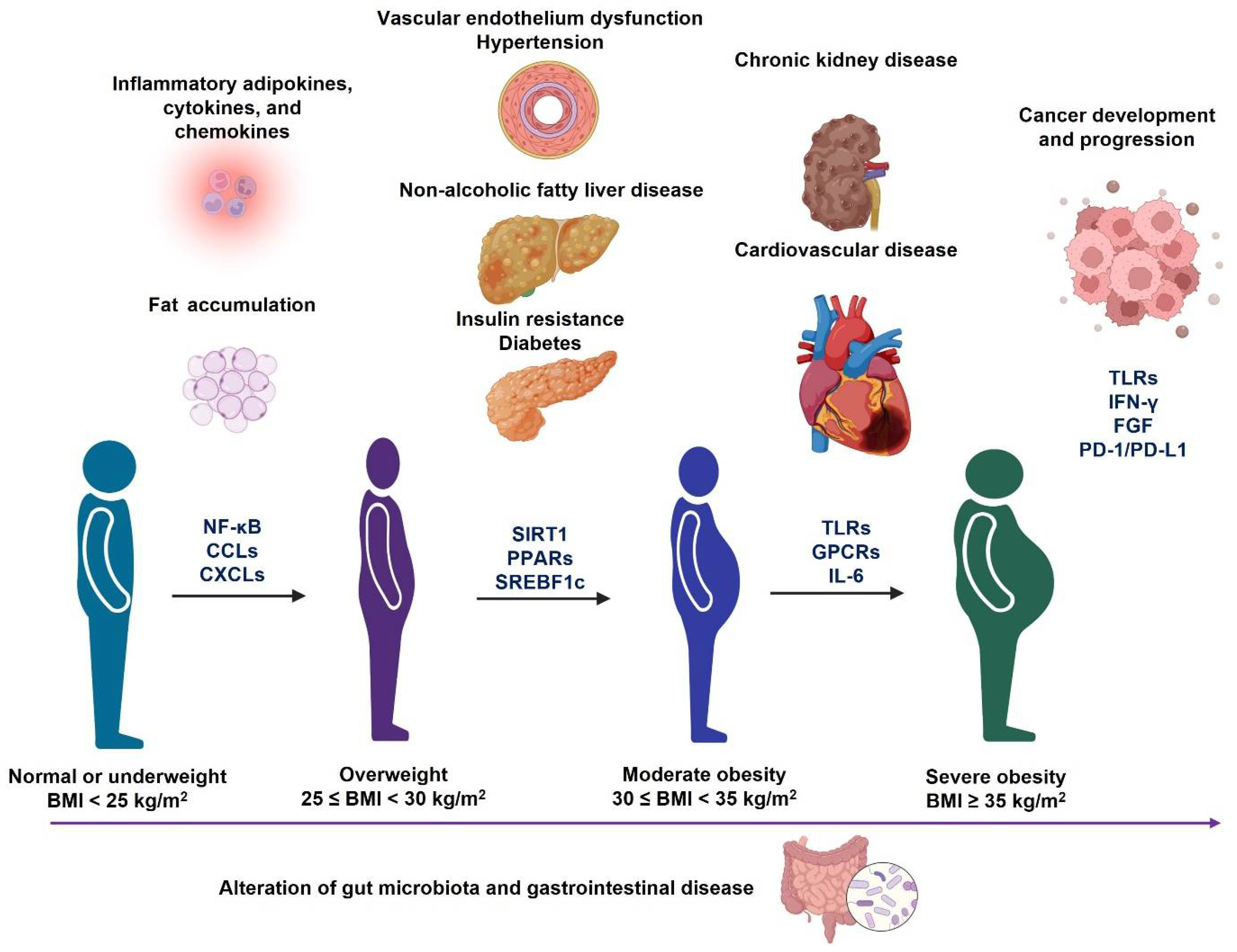
Obesity: Adipose tissue, or body fat, is not merely an inert storage depot. It actively secretes inflammatory molecules called adipokines. In obesity, excess adipose tissue leads to a chronic state of low-grade inflammation throughout the body.
Diet: A diet high in processed foods, refined sugars, and unhealthy fats can promote inflammation. Conversely, a diet rich in fruits, vegetables, and omega-3 fatty acids can have anti-inflammatory effects.
Stress: Chronic psychological stress can disrupt the immune system and contribute to chronic inflammation. Stress hormones like cortisol can influence inflammatory pathways in the body.
Genetics: Genetic factors can influence an individual’s susceptibility to chronic inflammation. Certain genetic variations may increase the risk of developing autoimmune diseases or other conditions associated with chronic inflammation.
Mechanisms of Chronic Inflammation
Chronic inflammation involves a complex interplay of immune cells, signaling molecules, and tissue damage. Some of the key mechanisms involved include:
Immune Cell Activation: In chronic inflammation, immune cells, such as macrophages, T cells, and B cells, are persistently activated. These cells release inflammatory mediators like cytokines (e.g., TNF-alpha, IL-1, IL-6) and chemokines that perpetuate the inflammatory response.
Cytokine Storm: The excessive production of cytokines can lead to a "cytokine storm," a dangerous condition characterized by widespread inflammation and tissue damage. Cytokine storms are implicated in severe infections, autoimmune diseases, and acute respiratory distress syndrome (ARDS).
Oxidative Stress: Chronic inflammation is often accompanied by increased oxidative stress, an imbalance between the production of reactive oxygen species (ROS) and the body’s antioxidant defenses. ROS can damage cells and tissues, contributing to chronic inflammation.
Matrix Metalloproteinases (MMPs): MMPs are enzymes that break down the extracellular matrix, the structural framework of tissues. In chronic inflammation, MMPs can contribute to tissue remodeling and damage.
Angiogenesis: Chronic inflammation can stimulate angiogenesis, the formation of new blood vessels. While angiogenesis is essential for tissue repair, in chronic inflammation, it can promote the growth of inflamed tissues and tumors.
Diseases Associated with Chronic Inflammation
Chronic inflammation is implicated in a wide range of diseases, affecting nearly every organ system in the body. Some of the most prominent conditions linked to chronic inflammation include:
Cardiovascular Diseases: Chronic inflammation plays a central role in the development of atherosclerosis, the underlying cause of heart attacks and strokes. Inflammatory processes contribute to the formation of plaques in arteries, which can rupture and lead to life-threatening events.
Neurodegenerative Diseases: Chronic inflammation in the brain is implicated in neurodegenerative diseases like Alzheimer’s disease and Parkinson’s disease. Inflammatory processes can damage neurons and contribute to cognitive decline and motor dysfunction.
Cancer: Chronic inflammation can promote cancer development and progression. Inflammatory mediators can stimulate cell proliferation, angiogenesis, and metastasis. Certain chronic infections, such as Helicobacter pylori infection, can increase the risk of stomach cancer.
Diabetes: Chronic inflammation is linked to insulin resistance and type 2 diabetes. Inflammatory molecules can interfere with insulin signaling, leading to impaired glucose metabolism.
Autoimmune Diseases: Autoimmune diseases, such as rheumatoid arthritis, lupus, and multiple sclerosis, are characterized by chronic inflammation in affected organs and tissues.
Inflammatory Bowel Disease (IBD): IBD, including Crohn’s disease and ulcerative colitis, involves chronic inflammation of the gastrointestinal tract.
Respiratory Diseases: Chronic inflammation is a key feature of respiratory diseases like asthma, chronic obstructive pulmonary disease (COPD), and cystic fibrosis.
Arthritis: Osteoarthritis and rheumatoid arthritis both involve chronic inflammation in the joints, leading to pain, stiffness, and joint damage.
Managing and Preventing Chronic Inflammation
While chronic inflammation can have serious health consequences, there are strategies to manage and prevent it:
Diet: Adopt an anti-inflammatory diet rich in fruits, vegetables, whole grains, lean proteins, and healthy fats (e.g., omega-3 fatty acids). Limit processed foods, refined sugars, and unhealthy fats.
Exercise: Regular physical activity can help reduce inflammation. Aim for at least 150 minutes of moderate-intensity exercise per week.
Weight Management: Maintaining a healthy weight can help reduce inflammation associated with obesity.
Stress Management: Practice stress-reducing techniques like meditation, yoga, or deep breathing exercises.
Sleep: Get adequate sleep, as sleep deprivation can contribute to inflammation.
Supplements: Certain supplements, such as omega-3 fatty acids, turmeric, and ginger, may have anti-inflammatory effects. However, it’s essential to consult with a healthcare professional before taking any supplements.
Medications: In some cases, medications like nonsteroidal anti-inflammatory drugs (NSAIDs) or corticosteroids may be prescribed to manage chronic inflammation. However, these medications can have side effects and should be used under medical supervision.
Conclusion
Chronic inflammation is a pervasive and multifaceted process that plays a significant role in the development of numerous diseases. Understanding the causes, mechanisms, and associated conditions of chronic inflammation is crucial for prevention and management. By adopting a healthy lifestyle, including a balanced diet, regular exercise, stress management, and adequate sleep, individuals can reduce their risk of chronic inflammation and its associated health problems. Furthermore, ongoing research into the molecular pathways involved in chronic inflammation may lead to the development of more targeted and effective therapies for preventing and treating chronic inflammatory diseases.


Comments
Post a Comment