The healthcare industry, while dedicated to preserving and improving lives, has long struggled with issues of data security, interoperability, and patient empowerment. Traditional medical record systems, often fragmented and centralized, are vulnerable to breaches, lack seamless information exchange, and can leave patients feeling disconnected from their own health data. However, a revolutionary technology is emerging as a potential game-changer: blockchain.
Blockchain, originally developed as the underlying technology for cryptocurrencies like Bitcoin, is a decentralized, distributed, and immutable ledger. Its unique properties make it exceptionally well-suited to address some of the most pressing challenges in healthcare, particularly in the management of medical records. This article explores how blockchain is transforming the landscape of medical records, its potential benefits, existing challenges, and the future of healthcare data management.
The Current State of Medical Records: A System Ripe for Disruption
Before diving into the specifics of blockchain’s impact, it’s essential to understand the current limitations of traditional medical record systems:
- Data Silos: Patient information is often scattered across various healthcare providers, hospitals, and clinics. This fragmentation makes it difficult for doctors to get a complete picture of a patient’s medical history, potentially leading to errors in diagnosis and treatment.
- Lack of Interoperability: Different electronic health record (EHR) systems often use incompatible formats and standards, hindering the seamless exchange of information between providers. This lack of interoperability can delay care and increase administrative costs.
- Security Vulnerabilities: Centralized databases are attractive targets for cyberattacks. Breaches of medical records can expose sensitive patient data, leading to identity theft, fraud, and reputational damage.
- Limited Patient Control: Patients often have limited access to their own medical records and little control over who can access them. This lack of transparency and control can undermine patient trust and engagement.
- Inefficient Processes: The process of requesting, transferring, and updating medical records can be cumbersome and time-consuming, leading to delays in care and increased administrative burden.
These limitations highlight the need for a more secure, interoperable, and patient-centric approach to medical record management. This is where blockchain enters the picture.
Blockchain: A Secure and Transparent Solution
Blockchain technology offers a compelling solution to many of the challenges plaguing traditional medical record systems. Here’s how:
- Decentralization: Instead of relying on a central authority, blockchain distributes data across a network of computers. This decentralization makes it significantly more difficult for hackers to compromise the system, as there is no single point of failure.
- Immutability: Once data is recorded on a blockchain, it cannot be altered or deleted. This immutability ensures the integrity and accuracy of medical records, providing a reliable audit trail of all transactions.
- Enhanced Security: Blockchain uses cryptographic techniques to secure data and control access. Each transaction is digitally signed, making it easy to verify the authenticity and integrity of the information.
- Interoperability: Blockchain can facilitate the seamless exchange of medical records between different healthcare providers, regardless of the EHR systems they use. By establishing a common standard for data sharing, blockchain can improve care coordination and reduce administrative costs.
- Patient Empowerment: Blockchain can give patients greater control over their medical records. Patients can grant or revoke access to their data to specific providers, ensuring that their information is only shared with authorized individuals.
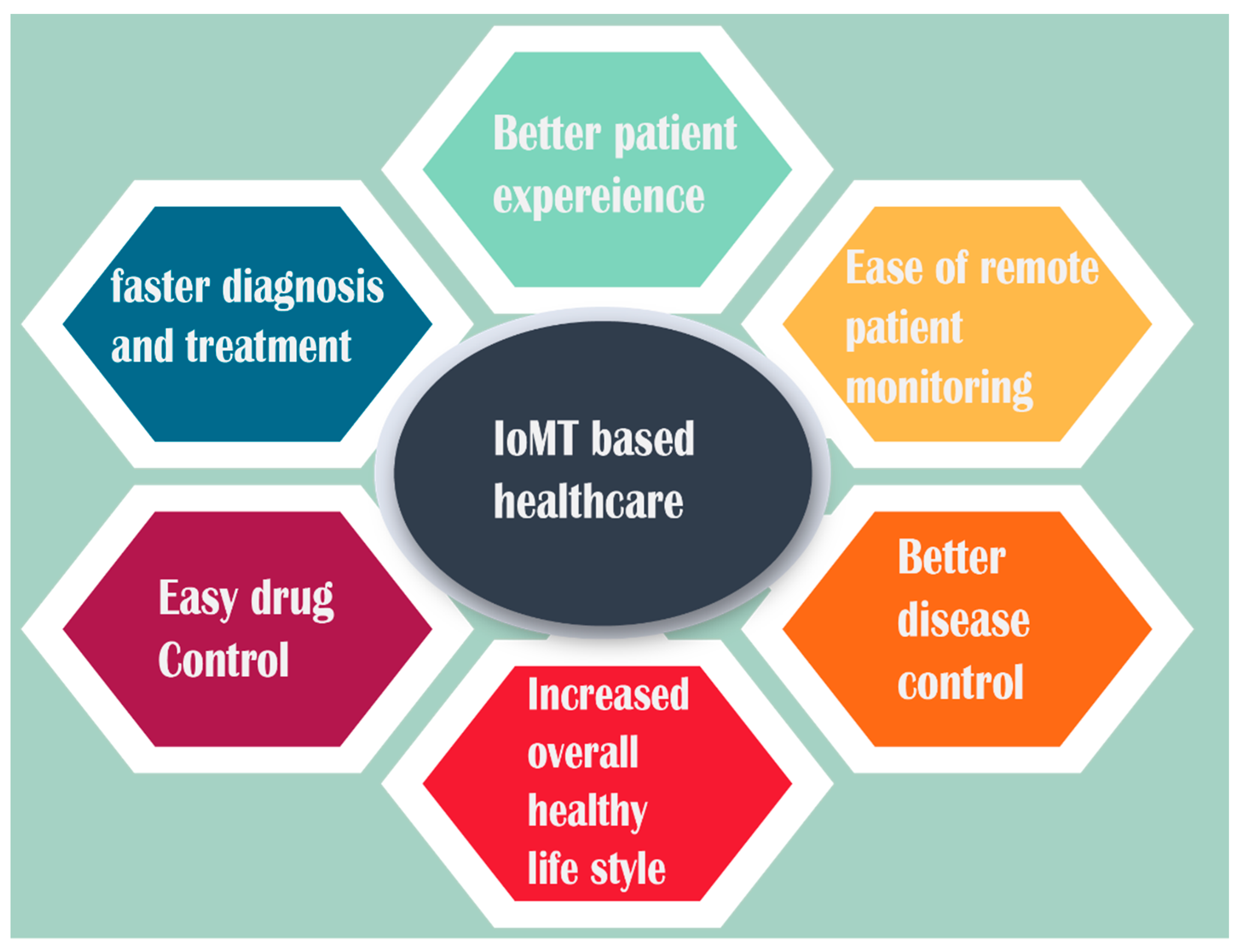
- Improved Data Management: Blockchain can streamline the process of managing medical records, making it easier for providers to access and update patient information. This can lead to faster diagnoses, more effective treatments, and improved patient outcomes.
Specific Use Cases of Blockchain in Medical Records
The potential applications of blockchain in medical record management are vast and varied. Here are some specific use cases:
- Secure Storage and Sharing of Medical Records: Blockchain can provide a secure and transparent platform for storing and sharing medical records. Patients can control who has access to their data, and providers can be confident that the information they are accessing is accurate and up-to-date.
- Supply Chain Management for Pharmaceuticals: Blockchain can be used to track the movement of pharmaceuticals from manufacturer to patient, ensuring the authenticity and safety of drugs. This can help prevent counterfeit drugs from entering the supply chain and protect patients from harm.
- Clinical Trial Management: Blockchain can streamline the process of managing clinical trials, making it easier to recruit participants, track data, and ensure the integrity of results. This can accelerate the development of new treatments and improve patient outcomes.
- Identity Management: Blockchain can be used to create a secure and verifiable digital identity for patients, making it easier for them to access healthcare services and manage their medical records.
- Claims Processing and Fraud Prevention: Blockchain can automate the process of claims processing, reducing administrative costs and preventing fraud. By providing a transparent and auditable record of all transactions, blockchain can help ensure that claims are paid accurately and efficiently.
- Remote Patient Monitoring: Blockchain can securely transmit and store data from wearable devices and remote monitoring systems. This enables healthcare providers to monitor patients’ health in real-time and provide timely interventions.
Challenges and Considerations
While the potential benefits of blockchain in medical records are significant, there are also several challenges and considerations that need to be addressed:
- Scalability: Blockchain networks can be slow and expensive to operate, particularly when dealing with large volumes of data. Scalability is a major challenge for healthcare applications, which often involve millions of patients and transactions.
- Interoperability: While blockchain can improve interoperability between different EHR systems, it is not a silver bullet. Standardized data formats and protocols are still needed to ensure that information can be exchanged seamlessly.
- Regulatory Uncertainty: The regulatory landscape for blockchain technology is still evolving. Healthcare organizations need clarity on how blockchain applications will be regulated to ensure compliance with privacy laws and other regulations.
- Data Privacy and Security: While blockchain offers enhanced security features, it is not immune to attacks. Healthcare organizations need to implement robust security measures to protect patient data from unauthorized access.
- User Adoption: The success of blockchain in medical records depends on widespread adoption by patients, providers, and other stakeholders. Education and training are needed to ensure that users understand the benefits of blockchain and how to use it effectively.
- Cost: Implementing blockchain solutions can be expensive, particularly for smaller healthcare organizations. Funding and support are needed to help these organizations adopt blockchain technology.
The Future of Blockchain in Medical Records
Despite these challenges, the future of blockchain in medical records is bright. As the technology matures and the regulatory landscape becomes clearer, we can expect to see wider adoption of blockchain solutions in healthcare.
- Increased Interoperability: Blockchain will play a key role in enabling seamless information exchange between different healthcare providers and systems. This will improve care coordination, reduce administrative costs, and enhance patient outcomes.
- Greater Patient Empowerment: Patients will have greater control over their medical records, allowing them to manage their health information and share it with authorized providers. This will lead to increased patient engagement and improved health outcomes.
- More Secure and Transparent Data Management: Blockchain will provide a more secure and transparent platform for managing medical records, protecting patient data from unauthorized access and ensuring the integrity of information.
- New Healthcare Business Models: Blockchain will enable new healthcare business models, such as decentralized data marketplaces and patient-centered care platforms. These models will empower patients and promote innovation in the healthcare industry.
- Integration with Emerging Technologies: Blockchain will be integrated with other emerging technologies, such as artificial intelligence (AI) and the Internet of Things (IoT), to create even more powerful healthcare solutions.
Conclusion
Blockchain technology has the potential to revolutionize the way medical records are managed. By providing a secure, interoperable, and patient-centric platform for storing and sharing health information, blockchain can address many of the challenges plaguing traditional medical record systems. While there are still challenges to overcome, the potential benefits of blockchain in healthcare are too significant to ignore. As the technology matures and adoption increases, we can expect to see blockchain transform the landscape of medical records and improve the lives of patients around the world. The future of healthcare is decentralized, secure, and patient-centric, and blockchain is poised to play a key role in shaping that future.


Comments
Post a Comment