The COVID-19 pandemic has presented unprecedented challenges to global healthcare systems, economies, and societies. In the face of this crisis, artificial intelligence (AI) has emerged as a powerful tool, offering innovative solutions to various aspects of pandemic response. From early detection and diagnosis to drug discovery and vaccine development, AI is playing a crucial role in mitigating the impact of the virus and paving the way for a more resilient future.
1. Early Detection and Surveillance:
One of the earliest and most critical applications of AI in pandemic response has been in early detection and surveillance. AI-powered systems can analyze vast amounts of data from various sources, including news reports, social media, and official health reports, to identify potential outbreaks and track the spread of the virus in real-time.
- Monitoring Social Media: AI algorithms can monitor social media platforms for mentions of symptoms, illnesses, and related keywords, providing early warnings of potential outbreaks in specific geographic areas.
- Analyzing News Reports: AI can analyze news reports from around the world to identify emerging health threats and track the spread of infectious diseases.
- Predictive Modeling: AI models can be trained on historical data to predict the spread of the virus and identify areas at high risk of outbreaks, allowing public health officials to allocate resources effectively.
2. Diagnosis and Prognosis:
AI has also proven invaluable in improving the speed and accuracy of diagnosis and prognosis of COVID-19. AI-powered diagnostic tools can analyze medical images, such as X-rays and CT scans, to detect signs of the virus and differentiate it from other respiratory illnesses.
- Image Analysis: AI algorithms can be trained to identify patterns and anomalies in medical images that are indicative of COVID-19, enabling faster and more accurate diagnoses.
- Risk Stratification: AI models can analyze patient data, including age, medical history, and symptoms, to predict the severity of the disease and identify patients at high risk of complications.
- Remote Monitoring: AI-powered wearable devices can monitor patients’ vital signs, such as temperature, heart rate, and oxygen saturation, enabling remote monitoring and early detection of deterioration.
3. Drug Discovery and Development:
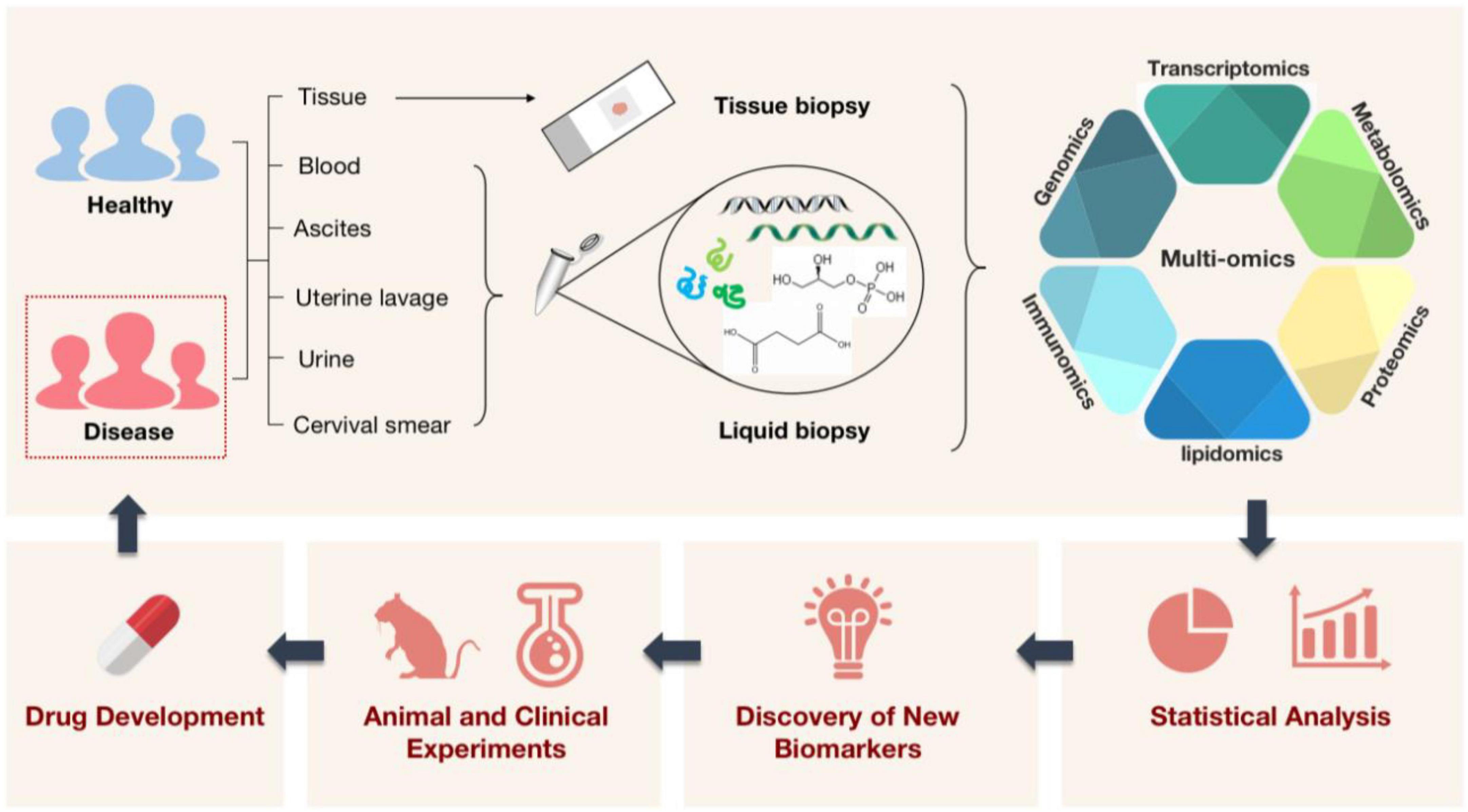
The development of effective treatments and vaccines is crucial for controlling the pandemic. AI is accelerating the drug discovery and development process by identifying potential drug candidates, predicting their efficacy, and optimizing clinical trial designs.
- Drug Repurposing: AI algorithms can analyze existing drug databases to identify drugs that may be effective against COVID-19, accelerating the repurposing of existing medications.
- Target Identification: AI can identify potential drug targets by analyzing the virus’s genetic structure and identifying proteins that are essential for its survival.

- Virtual Screening: AI can screen millions of compounds virtually to identify those that are most likely to bind to the target protein and inhibit its function.
- Clinical Trial Optimization: AI can optimize clinical trial designs by identifying the most appropriate patient populations, dosages, and endpoints, reducing the time and cost of clinical trials.
4. Vaccine Development:
AI is also playing a significant role in vaccine development, from identifying potential vaccine candidates to optimizing vaccine efficacy and safety.
- Antigen Design: AI algorithms can design antigens that are most likely to elicit a strong immune response, improving the efficacy of vaccines.
- Adjuvant Selection: AI can identify adjuvants that can enhance the immune response to vaccines, improving their effectiveness.
- Safety Prediction: AI models can predict potential adverse effects of vaccines, ensuring their safety and reducing the risk of complications.
5. Resource Allocation and Optimization:
During a pandemic, healthcare systems often face shortages of resources, such as hospital beds, ventilators, and personal protective equipment (PPE). AI can help optimize resource allocation and ensure that resources are used effectively.
- Demand Forecasting: AI models can forecast the demand for hospital beds, ventilators, and other resources, allowing healthcare systems to plan and allocate resources accordingly.
- Supply Chain Optimization: AI can optimize supply chains to ensure that essential supplies, such as PPE and medications, are available when and where they are needed.
- Patient Flow Management: AI can optimize patient flow in hospitals to reduce waiting times and improve the efficiency of care.
6. Contact Tracing and Containment:
Effective contact tracing is essential for containing the spread of the virus. AI-powered contact tracing apps can quickly identify individuals who may have been exposed to the virus and notify them to self-isolate.
- Location Tracking: AI-powered apps can use GPS data to track individuals’ movements and identify potential contacts.
- Proximity Detection: AI can use Bluetooth technology to detect when individuals have been in close proximity to each other, even if they don’t know each other.
- Risk Assessment: AI can assess the risk of transmission based on the duration and proximity of contacts, prioritizing those at higher risk.
7. Public Health Communication:
Effective public health communication is crucial for informing the public about the virus, promoting preventive measures, and combating misinformation. AI can help tailor public health messages to specific audiences and disseminate them through various channels.
- Personalized Messaging: AI can analyze individuals’ demographics, interests, and behaviors to tailor public health messages to their specific needs.
- Misinformation Detection: AI can identify and flag misinformation about the virus on social media and other platforms, helping to prevent the spread of false information.
- Chatbots and Virtual Assistants: AI-powered chatbots and virtual assistants can answer questions about the virus, provide guidance on preventive measures, and direct people to appropriate resources.
Challenges and Limitations:
While AI offers tremendous potential for pandemic response, it is essential to acknowledge its challenges and limitations.
- Data Bias: AI models are trained on data, and if the data is biased, the models will also be biased. This can lead to inaccurate predictions and unfair outcomes.
- Privacy Concerns: The use of AI in pandemic response often involves collecting and analyzing personal data, raising concerns about privacy and security.
- Lack of Transparency: AI models can be complex and difficult to understand, making it challenging to ensure that they are being used fairly and ethically.
- Over-Reliance on AI: It is essential to avoid over-reliance on AI and to remember that AI is just a tool that should be used in conjunction with human expertise and judgment.
Conclusion:
AI is proving to be a valuable asset in the fight against the COVID-19 pandemic. From early detection and diagnosis to drug discovery and vaccine development, AI is helping to mitigate the impact of the virus and pave the way for a more resilient future. As AI technology continues to advance, it is likely to play an even greater role in pandemic preparedness and response in the years to come. However, it is crucial to address the challenges and limitations of AI to ensure that it is used responsibly and ethically. By embracing AI and addressing its challenges, we can better prepare for and respond to future pandemics, protecting public health and ensuring a safer and healthier world for all. The key lies in responsible implementation, ethical considerations, and a focus on augmenting human capabilities rather than replacing them entirely. This collaborative approach will unlock the full potential of AI in safeguarding global health and well-being.


Comments
Post a Comment