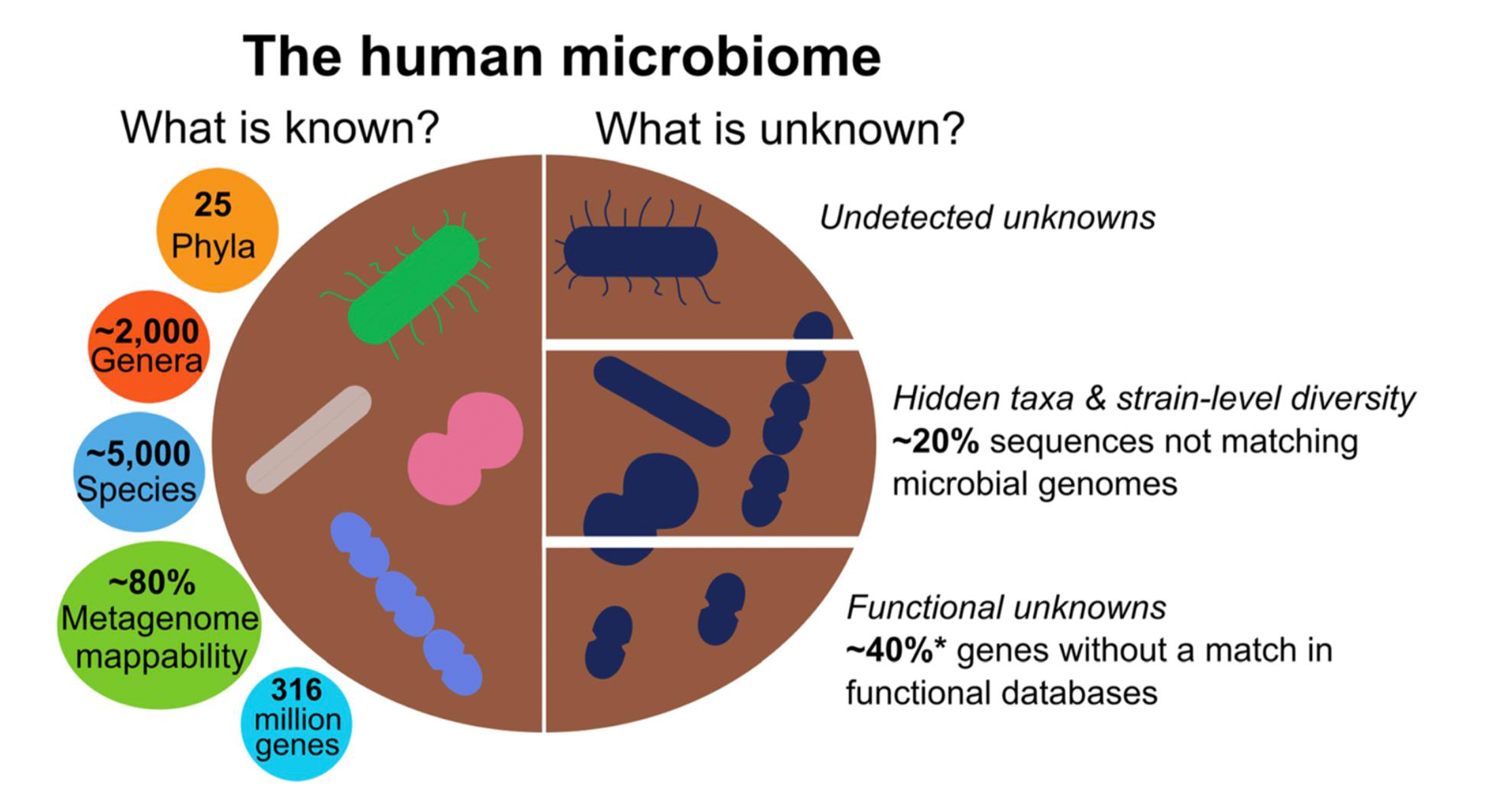
The human body, once considered a solitary entity, is now recognized as a bustling ecosystem teeming with trillions of microorganisms, including bacteria, viruses, fungi, and archaea. This intricate community, collectively known as the human microbiome, resides in various parts of our body, such as the gut, skin, mouth, and respiratory tract. While the existence of these microorganisms has been known for centuries, it is only in recent decades that advancements in DNA sequencing and bioinformatics have unveiled the profound impact of the microbiome on human health and disease.
The Composition and Diversity of the Human Microbiome
The composition of the human microbiome is highly diverse and varies significantly among individuals. Factors such as genetics, diet, lifestyle, environment, and medication use contribute to the unique microbial signature of each person. The gut microbiome, in particular, has been extensively studied due to its high density and diversity of microorganisms. It is estimated that the human gut harbors over 100 trillion microorganisms, representing thousands of different species.
The dominant phyla in the human gut microbiome include Firmicutes, Bacteroidetes, Actinobacteria, and Proteobacteria. However, the relative abundance of these phyla can vary considerably depending on individual factors. For example, individuals who consume a diet rich in fiber tend to have a higher proportion of Bacteroidetes, while those who consume a diet high in fat and sugar may have a higher proportion of Firmicutes.
The Functions of the Human Microbiome
The human microbiome plays a crucial role in various physiological processes that are essential for maintaining health. These functions include:
Digestion and Nutrient Absorption: The gut microbiome aids in the digestion of complex carbohydrates, such as dietary fiber, that the human body cannot break down on its own. Microorganisms in the gut ferment these carbohydrates, producing short-chain fatty acids (SCFAs) like acetate, propionate, and butyrate. SCFAs serve as an energy source for colonocytes, promote gut barrier integrity, and have anti-inflammatory properties.
Immune System Development and Regulation: The microbiome plays a critical role in the development and maturation of the immune system. Early exposure to microorganisms helps train the immune system to distinguish between harmless commensal bacteria and pathogenic invaders. The microbiome also produces metabolites that modulate immune cell function and promote immune homeostasis.
Vitamin Synthesis: Certain bacteria in the gut microbiome are capable of synthesizing essential vitamins, such as vitamin K and B vitamins, which the human body cannot produce on its own. These vitamins are crucial for various metabolic processes and overall health.
Protection Against Pathogens: The microbiome acts as a barrier against pathogenic microorganisms by competing for nutrients and attachment sites in the gut. Commensal bacteria also produce antimicrobial substances that inhibit the growth of pathogens.

Neurological Function: The gut microbiome communicates with the brain through the gut-brain axis, a complex network of neural, hormonal, and immunological pathways. The microbiome can influence brain function and behavior by producing neurotransmitters, such as serotonin and dopamine, and by modulating the immune system.
The Impact of the Microbiome on Health and Disease
Dysbiosis, an imbalance in the composition and function of the microbiome, has been linked to a wide range of health conditions, including:
Gastrointestinal Disorders: Dysbiosis is a major factor in the development of gastrointestinal disorders such as inflammatory bowel disease (IBD), irritable bowel syndrome (IBS), and colorectal cancer. Alterations in the gut microbiome can disrupt gut barrier function, promote inflammation, and increase the risk of these conditions.
Metabolic Disorders: The microbiome plays a role in regulating energy metabolism and glucose homeostasis. Dysbiosis has been associated with obesity, type 2 diabetes, and non-alcoholic fatty liver disease (NAFLD). Changes in the gut microbiome can affect insulin sensitivity, lipid metabolism, and inflammation, contributing to the development of these metabolic disorders.
Allergies and Asthma: The microbiome influences the development of the immune system and can affect the risk of allergies and asthma. Early-life exposure to a diverse microbiome is associated with a lower risk of these conditions. Dysbiosis in early life can impair immune system development and increase the risk of allergic sensitization and airway inflammation.
Autoimmune Diseases: The microbiome has been implicated in the pathogenesis of autoimmune diseases such as rheumatoid arthritis, multiple sclerosis, and type 1 diabetes. Alterations in the gut microbiome can trigger immune responses that target self-antigens, leading to inflammation and tissue damage.
Neurological Disorders: The gut-brain axis allows the microbiome to influence brain function and behavior. Dysbiosis has been linked to neurological disorders such as autism spectrum disorder (ASD), anxiety, and depression. Changes in the gut microbiome can affect neurotransmitter production, immune system activation, and brain inflammation, contributing to the development of these disorders.
Strategies to Modulate the Human Microbiome
Given the profound impact of the microbiome on health, there is growing interest in strategies to modulate its composition and function. These strategies include:
Dietary Interventions: Diet is a major factor influencing the composition of the gut microbiome. Consuming a diet rich in fiber, fruits, vegetables, and whole grains promotes the growth of beneficial bacteria and the production of SCFAs. Limiting the intake of processed foods, sugar, and saturated fats can help reduce the abundance of harmful bacteria.
Probiotics: Probiotics are live microorganisms that, when administered in adequate amounts, confer a health benefit on the host. Probiotics can help restore balance to the gut microbiome, improve gut barrier function, and modulate the immune system.
Prebiotics: Prebiotics are non-digestible food ingredients that promote the growth of beneficial bacteria in the gut. Prebiotics, such as fructans and galacto-oligosaccharides, are found in foods like onions, garlic, and asparagus.
Fecal Microbiota Transplantation (FMT): FMT involves transferring fecal matter from a healthy donor to a recipient to restore a healthy gut microbiome. FMT has been shown to be effective in treating recurrent Clostridium difficile infection and is being investigated for the treatment of other conditions, such as IBD and metabolic disorders.
Antibiotics: While antibiotics can be life-saving in treating bacterial infections, they can also disrupt the gut microbiome and lead to dysbiosis. Antibiotic use should be judicious and only when necessary.
Conclusion
The human microbiome is a complex and dynamic ecosystem that plays a critical role in human health. Dysbiosis, an imbalance in the composition and function of the microbiome, has been linked to a wide range of diseases. Strategies to modulate the microbiome, such as dietary interventions, probiotics, and FMT, hold promise for preventing and treating various health conditions. Further research is needed to fully understand the intricate interactions between the microbiome and the human body and to develop targeted therapies that harness the power of the microbiome to improve health.


Comments
Post a Comment