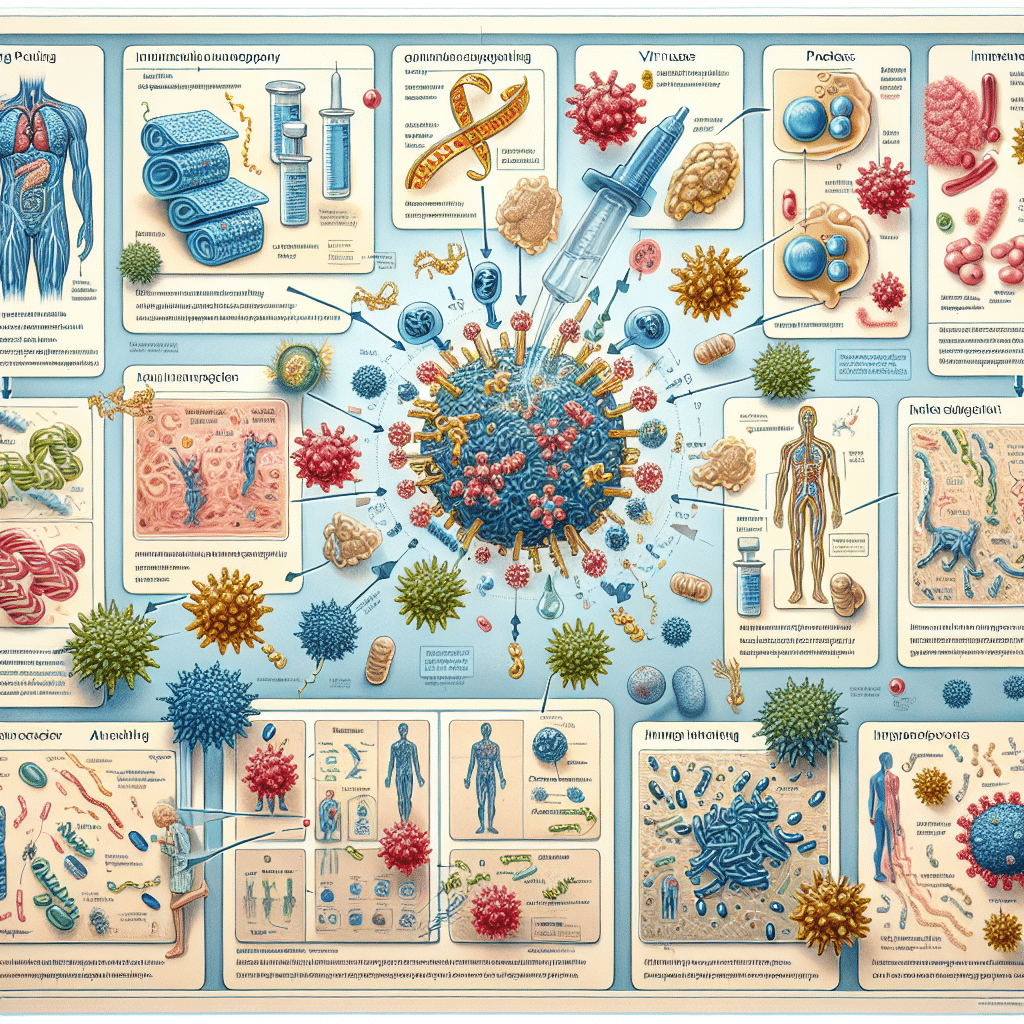
In an era where health and wellness take center stage, the quest to fortify our immune systems has become a global pursuit. The immune system, a complex network of cells, tissues, and organs, acts as our body’s personal defense force against a relentless barrage of pathogens, toxins, and other harmful invaders. While the concept of "boosting" immunity is widely discussed, it’s essential to understand the scientific principles that underpin immune function and the evidence-based strategies that can genuinely support it.
Understanding the Immune System: A Symphony of Defense
Before delving into immune-boosting strategies, it’s crucial to appreciate the intricacies of the immune system. It’s not a single entity but rather a highly coordinated system composed of two main branches:
Innate Immunity: This is our first line of defense, providing rapid and non-specific responses to threats. It includes physical barriers like skin and mucous membranes, as well as immune cells like macrophages and natural killer (NK) cells that attack invaders without prior exposure.
Adaptive Immunity: This branch is more specialized and develops over time. It involves lymphocytes (B cells and T cells) that recognize and remember specific pathogens, allowing for a more targeted and effective response upon subsequent encounters.
Factors Influencing Immune Function:
The strength and efficiency of our immune system are influenced by a multitude of factors, including:
Genetics: Our genetic makeup plays a role in determining our baseline immune response.
Age: Immune function tends to decline with age, making older adults more susceptible to infections.

Nutrition: A balanced diet provides the essential building blocks and nutrients needed for immune cell development and function.
Lifestyle: Factors like sleep, stress, and exercise can significantly impact immune health.
Environmental Factors: Exposure to pollutants, toxins, and infections can challenge the immune system.
The Truth About "Immune Boosting":
The term "immune boosting" can be misleading. It’s not about artificially inflating immune function beyond its normal capacity. Instead, the goal is to optimize immune function, ensuring that it operates efficiently and effectively. This involves supporting the natural processes of the immune system and addressing any underlying deficiencies or imbalances.
Evidence-Based Strategies for Immune Support:
While there’s no magic bullet for boosting immunity, several evidence-based strategies can contribute to a healthy and resilient immune system:
Nutrient-Rich Diet:
- Vitamins and Minerals: Vitamin C, vitamin D, zinc, and selenium are crucial for immune cell function.
- Antioxidants: Found in fruits and vegetables, antioxidants protect immune cells from damage caused by free radicals.
- Probiotics: These beneficial bacteria support gut health, which is closely linked to immune function.
- Omega-3 Fatty Acids: Found in fatty fish, omega-3s have anti-inflammatory properties that can help regulate immune responses.
Adequate Sleep:
- Sleep and Immune Function: During sleep, the body produces cytokines, proteins that help regulate immune responses.
- Sleep Deprivation: Chronic sleep deprivation can impair immune function and increase susceptibility to infections.
Stress Management:
- Stress Hormones: Chronic stress can lead to the release of cortisol, which can suppress immune function.
- Stress-Reduction Techniques: Practices like meditation, yoga, and deep breathing can help manage stress and support immune health.
Regular Exercise:
- Moderate Exercise: Regular, moderate-intensity exercise can enhance immune cell circulation and function.
- Excessive Exercise: Overtraining can suppress immune function, so it’s important to find a balance.
Hydration:
- Water and Immune Function: Water helps transport immune cells and nutrients throughout the body.
- Dehydration: Dehydration can impair immune function and increase susceptibility to infections.
Hygiene Practices:
- Handwashing: Frequent handwashing with soap and water is one of the most effective ways to prevent the spread of infections.
- Respiratory Hygiene: Covering your mouth and nose when coughing or sneezing can help prevent the spread of respiratory viruses.
Vaccination:
- Vaccines and Immune Memory: Vaccines expose the immune system to weakened or inactive pathogens, allowing it to develop immunity without causing illness.
- Vaccination Benefits: Vaccination is one of the most effective ways to protect against infectious diseases.
Vitamin D Supplementation:
- Vitamin D and Immune Function: Vitamin D plays a crucial role in immune cell function and regulation.
- Vitamin D Deficiency: Vitamin D deficiency is common, especially in winter months, and can impair immune function.
- Supplementation: Supplementation with vitamin D can help maintain optimal levels and support immune health.
Zinc Supplementation:
- Zinc and Immune Function: Zinc is essential for immune cell development and function.
- Zinc Deficiency: Zinc deficiency can impair immune function and increase susceptibility to infections.
- Supplementation: Supplementation with zinc can help maintain optimal levels and support immune health, especially during periods of increased risk.
Probiotics:
- Gut Health and Immunity: A significant portion of the immune system resides in the gut.
- Probiotics Benefits: Probiotics can help maintain a healthy balance of gut bacteria, which can support immune function.
- Food Sources and Supplements: Probiotics can be obtained from fermented foods like yogurt and kefir, as well as from supplements.
Debunking Immune-Boosting Myths:
It’s important to be wary of unsubstantiated claims about immune-boosting products or practices. Here are a few common myths:
Myth: High doses of vitamins are always better.
- Reality: Excessive intake of certain vitamins can be harmful and may not provide additional immune benefits.
Myth: Detox diets can boost immunity.
- Reality: The body has its own detoxification systems (liver and kidneys). Detox diets are often unnecessary and may even be harmful.
Myth: Certain foods can instantly boost immunity.
- Reality: While certain foods can support immune health, there’s no single food that can instantly boost immunity.
The Importance of a Holistic Approach:
Boosting immunity is not about quick fixes or magic pills. It’s about adopting a holistic approach to health that encompasses nutrition, sleep, stress management, exercise, and hygiene. By prioritizing these lifestyle factors, you can create a foundation for a strong and resilient immune system.
Consulting Healthcare Professionals:
Before making significant changes to your diet or lifestyle, it’s always best to consult with a healthcare professional. They can assess your individual needs and provide personalized recommendations based on your health status and medical history.
Conclusion:
The immune system is a complex and dynamic network that plays a vital role in protecting our health. While the concept of "boosting" immunity can be misleading, there are several evidence-based strategies that can support optimal immune function. By prioritizing a nutrient-rich diet, adequate sleep, stress management, regular exercise, and good hygiene practices, you can create a foundation for a strong and resilient immune system. Remember, it’s not about artificially inflating immune function but rather about optimizing its natural processes and addressing any underlying deficiencies or imbalances.


Comments
Post a Comment