Brain-Computer Interfaces (BCIs), also known as brain-machine interfaces (BMIs), represent a groundbreaking technology that creates a direct communication pathway between the human brain and an external device. This innovative field holds immense potential for revolutionizing healthcare, enhancing human capabilities, and fundamentally changing how we interact with the world.
The Core Principle: Decoding Neural Activity
At its core, a BCI system operates on the principle of decoding neural activity and translating it into commands that can control external devices. The brain’s electrical activity, generated by the communication between neurons, forms the basis of this process. This activity can be measured and interpreted, allowing BCIs to detect specific patterns associated with different thoughts, intentions, or actions.
Key Components of a BCI System
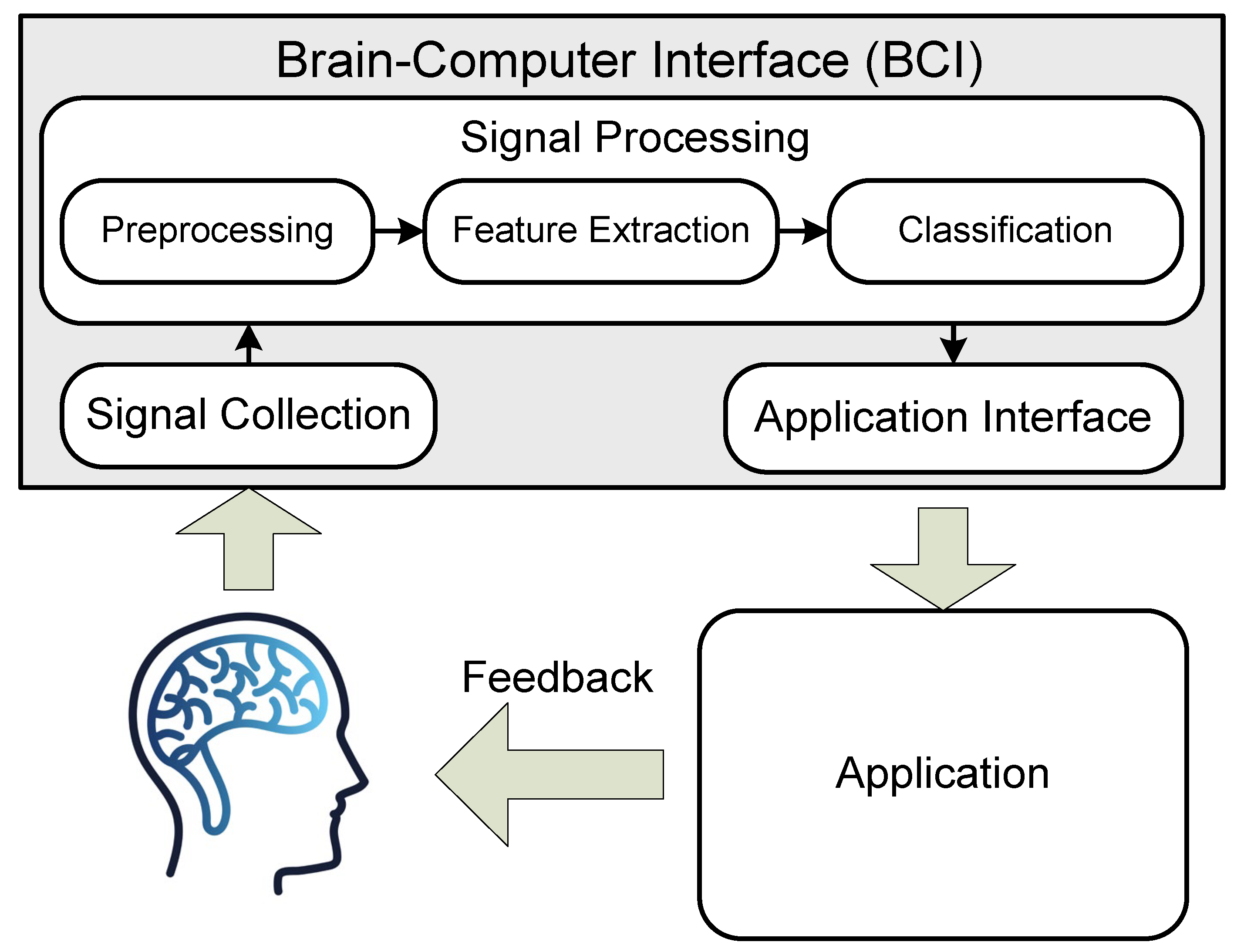
A typical BCI system comprises several essential components that work in concert to enable brain-computer communication:
Signal Acquisition: This is the initial step where brain activity is recorded. Various techniques are used, each with its advantages and limitations:
Electroencephalography (EEG): This non-invasive method uses electrodes placed on the scalp to measure electrical activity. EEG is relatively inexpensive and easy to use but offers lower spatial resolution compared to invasive methods.
Electrocorticography (ECoG): This technique involves placing electrodes directly on the surface of the brain (cortex). ECoG provides better signal quality and spatial resolution than EEG but requires surgery.
Intracortical Recording: This invasive method involves implanting electrodes directly into the brain tissue. Intracortical recording offers the highest signal quality and spatial resolution but carries the greatest risk.
Magnetoencephalography (MEG): This non-invasive technique measures the magnetic fields produced by electrical activity in the brain. MEG offers good spatial and temporal resolution but is expensive and requires specialized equipment.

Functional Magnetic Resonance Imaging (fMRI): While primarily an imaging technique, fMRI can be used to detect changes in brain activity based on blood flow. It offers excellent spatial resolution but has poor temporal resolution.
Signal Processing: Once the brain signals are acquired, they undergo a series of processing steps to enhance their quality and extract relevant features. This involves:
- Filtering: Removing noise and artifacts from the raw signals.
- Feature Extraction: Identifying specific patterns or characteristics in the signals that correlate with different mental states or intentions. Common features include amplitude, frequency, and phase of the signals.
- Signal Amplification: Enhancing the strength of the signals to improve their detectability.
Feature Translation: This stage involves converting the extracted features into commands that can be used to control an external device. This is typically achieved using machine learning algorithms that are trained to recognize specific patterns of brain activity and associate them with corresponding actions.
- Classification: Assigning the extracted features to predefined categories or classes, such as "move left," "move right," or "idle."
- Regression: Predicting a continuous value based on the extracted features, such as the desired speed or direction of a cursor.
Device Control: The final stage involves using the translated commands to control an external device, such as a computer cursor, a robotic arm, or a communication system. The device responds to the commands in real-time, providing feedback to the user.
Types of BCI Systems
BCIs can be broadly classified into several types based on their invasiveness, signal acquisition methods, and intended applications:
Invasive BCIs: These systems involve implanting electrodes directly into the brain tissue. They offer the highest signal quality and spatial resolution but carry the greatest risk of complications.
Non-Invasive BCIs: These systems use electrodes placed on the scalp to measure brain activity. They are safer and easier to use than invasive BCIs but offer lower signal quality and spatial resolution.
Partially Invasive BCIs: These systems involve placing electrodes on the surface of the brain (cortex) or within the skull but not directly into the brain tissue. They offer a compromise between signal quality and risk.
Applications of BCI Technology
BCIs have a wide range of potential applications, particularly in the fields of healthcare, rehabilitation, and human augmentation:
Medical Applications:
- Restoring Motor Function: Assisting individuals with paralysis or motor impairments to regain control over their limbs or use assistive devices.
- Communication: Enabling individuals with severe communication disorders to communicate using brain-controlled interfaces.
- Neurorehabilitation: Promoting recovery after stroke or traumatic brain injury by providing feedback based on brain activity.
- Epilepsy Management: Detecting and preventing seizures by monitoring brain activity.
- Treating Mental Health Conditions: Developing novel therapies for depression, anxiety, and other mental health disorders.
Human Augmentation:
- Enhanced Cognitive Abilities: Improving attention, memory, and decision-making skills.
- Brain-Controlled Gaming: Creating immersive gaming experiences controlled directly by the user’s thoughts.
- Brain-Controlled Interfaces: Developing new ways for humans to interact with computers and other devices.
Challenges and Future Directions
Despite their immense potential, BCIs face several challenges that need to be addressed to realize their full potential:
- Signal Quality: Improving the quality and stability of brain signals, particularly in non-invasive systems.
- Decoding Algorithms: Developing more sophisticated algorithms for decoding brain activity and translating it into commands.
- Long-Term Use: Ensuring the long-term safety and efficacy of BCI systems, particularly invasive ones.
- User Training: Developing effective training protocols to help users learn to control BCI systems.
- Ethical Considerations: Addressing the ethical implications of BCI technology, such as privacy, security, and autonomy.
Future research in BCI technology is focused on:
- Developing more advanced signal acquisition methods.
- Creating more sophisticated decoding algorithms.
- Improving the biocompatibility of implantable devices.
- Developing closed-loop BCI systems that provide real-time feedback to the user.
- Exploring new applications of BCI technology in healthcare, education, and entertainment.
Conclusion
Brain-Computer Interfaces hold tremendous promise for transforming the lives of individuals with disabilities, enhancing human capabilities, and revolutionizing how we interact with the world. As technology continues to advance, BCIs are poised to become an increasingly integral part of our lives, bridging the gap between thought and action and unlocking new possibilities for human potential.


Comments
Post a Comment